



From Screen to Sauté Pan
For years, the gateway to Korean culture for most Indians was through a screen. We watched our favourite K-drama characters seek comfort in steaming bowls of tteokbokki or share a romantic moment over cheesy corn dogs. This exposure created a wave of curiosity,
sparking a boom in home cooking experiments and a surge in demand at Korean restaurants. But now, a more significant shift is underway. The interest has graduated from amateur enthusiasm to professional pursuit. Culinary schools and private workshops are reporting a striking increase in enrollment from established and aspiring chefs, all eager to master the art of Korean street food. It's no longer enough to just replicate a recipe; chefs want to understand the soul of the cuisine—the delicate balance of flavours, the fermentation techniques, and the cultural context behind every bite.
The Allure of the Five Flavours
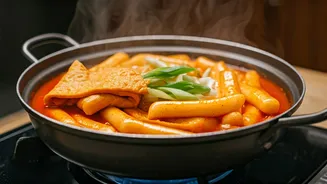
So, what makes these dishes so compelling for a trained chef? Korean cuisine, especially its street food, is a masterclass in balancing the five key flavours: sweet, sour, salty, bitter, and, most importantly, umami. Take tteokbokki, the ubiquitous chewy rice cakes bathed in a fiery red sauce. A chef sees more than just spice; they see a complex interplay between the sweetness of the syrup, the savoury depth of the anchovy broth, the salty hit of soy sauce, and the pungent, fermented kick of gochujang (chilli paste). Similarly, dishes like hotteok (sweet pancakes), gimbap (seaweed rice rolls), and odeng (fish cake skewers) offer unique textures and flavour profiles that provide a new canvas for culinary creativity. Mastering these dishes requires technical skill, particularly in understanding foundational ingredients like doenjang (soybean paste), gochugaru (chilli powder), and the art of making a perfect kimchi.
Inside the Mastery Courses
These are not your average weekend cooking classes. The professional courses seeing this boom delve deep into the science and tradition of Korean cooking. Chefs learn about the precise fermentation times for kimchi, the specific type of rice and vinegar needed for authentic gimbap, and the technique for achieving the perfect 'cheese pull' in a gamja-hotdog (potato-coated corn dog). The curriculum often covers the regional variations of dishes and the history behind them. Instructors, many of whom have trained in South Korea, emphasize 'son-mat'—a Korean concept that translates to 'taste of hand.' It’s the idea that a cook’s unique touch and experience, not just the recipe, is what makes a dish special. This philosophy resonates deeply with chefs who view cooking as a craft, not just a process.
The Indian Palate Adaptation
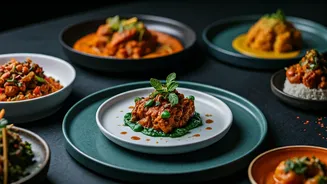
Perhaps the most exciting aspect of this trend is how Indian chefs are interpreting these Korean classics. They aren't just creating carbon copies; they are innovating. This fusion is leading to exciting new dishes appearing on menus across the country. You might find a tteokbokki with a hint of smoky tandoori flavour, a gimbap roll filled with paneer tikka, or a Korean fried chicken served with a mint-chilli chutney. Chefs are finding parallels between the two cuisines, such as the love for bold spices, fermented foods (like dosa batter and kimchi), and comforting rice-based dishes. This 'glocalization' makes Korean street food more accessible and exciting for the Indian diner, creating a unique culinary dialogue between Seoul and New Delhi.
A Shift in Modern Dining
This trend is also part of a larger global movement in the food industry. Diners, and by extension chefs, are increasingly moving away from the rigid formality of traditional fine dining. The new definition of luxury is authenticity, flavour, and experience. Street food, once considered 'low-brow,' is now being celebrated for its honesty and innovation. It offers a direct connection to a culture's culinary heart. By mastering Korean street food, Indian chefs are not only expanding their own repertoires but are also tapping into this global demand for food that is both high-quality and deeply comforting. They are proving that a perfectly made fish cake skewer can be just as impressive as a meticulously plated French dish.