
The Initial Catastrophe
On August 26, 2026, a massive flash flood tore through the Trishuli and Bhotekoshi river valleys in Nepal, affecting areas from the Tibet border down through multiple districts. Initial reports pointed to a glacial collapse high in the mountains as the trigger,
unleashing a devastating wave of water, rock, and ice. The disaster was not caused by an earthquake, as some first believed, but the landslide itself was powerful enough to register as a seismic event. The flood swept away entire villages, destroyed critical infrastructure like bridges and roads, and left hundreds dead with many more, including a large number of tourists and pilgrims, reported missing.
The Lingering Threat Below the Surface
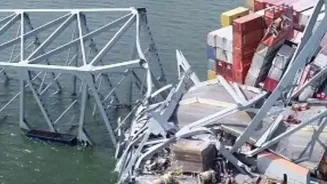
In the aftermath of such a powerful event, the immediate focus is on rescue and recovery. However, a less visible but potentially more dangerous threat, often called a "second wave," begins to form. This isn't a second storm, but a consequence of the first flood's immense power. The sheer volume of debris—sediment, boulders, and rubble—carried by the flood can fundamentally alter the river's behaviour. This debris chokes the river channel, sometimes creating huge, unstable blockages that set the stage for a subsequent, and often more violent, disaster.
The Science of a Landslide Dam
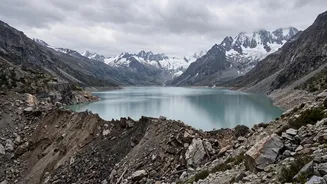
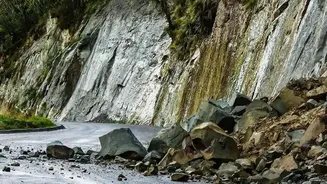
The primary mechanism for this second wave is the formation of a landslide dam. When a torrent of debris washes into a narrow valley, it can pile up and block the river's flow entirely. Behind this natural, but highly unstable, dam, water begins to accumulate, forming a large temporary lake. The pressure on this makeshift barrier builds relentlessly. These dams are not engineered structures; they are loose piles of earth and rock with no structural integrity. Water will either find a way over the top, rapidly eroding the dam, or seep through it, weakening it from within. In either case, the outcome is often the same: a sudden, catastrophic failure.
Anatomy of an Outburst Flood
When a landslide dam breaks, it unleashes what is known as a Landslide Dam Outburst Flood (LDOF). This is the "second wave." The energy released is immense, sending a wall of water and debris hurtling downstream at incredible speeds, often with far more destructive power than the original flood that created the blockage. Because these outburst floods carry a massive sediment load, they have the consistency of wet concrete, capable of burying entire towns and scouring the landscape down to bedrock. The recent flood in Nepal saw water levels rise as much as nine metres in 30 minutes in some downstream areas, illustrating the terrifying speed and power of these events.
A Perilously Perfect Location
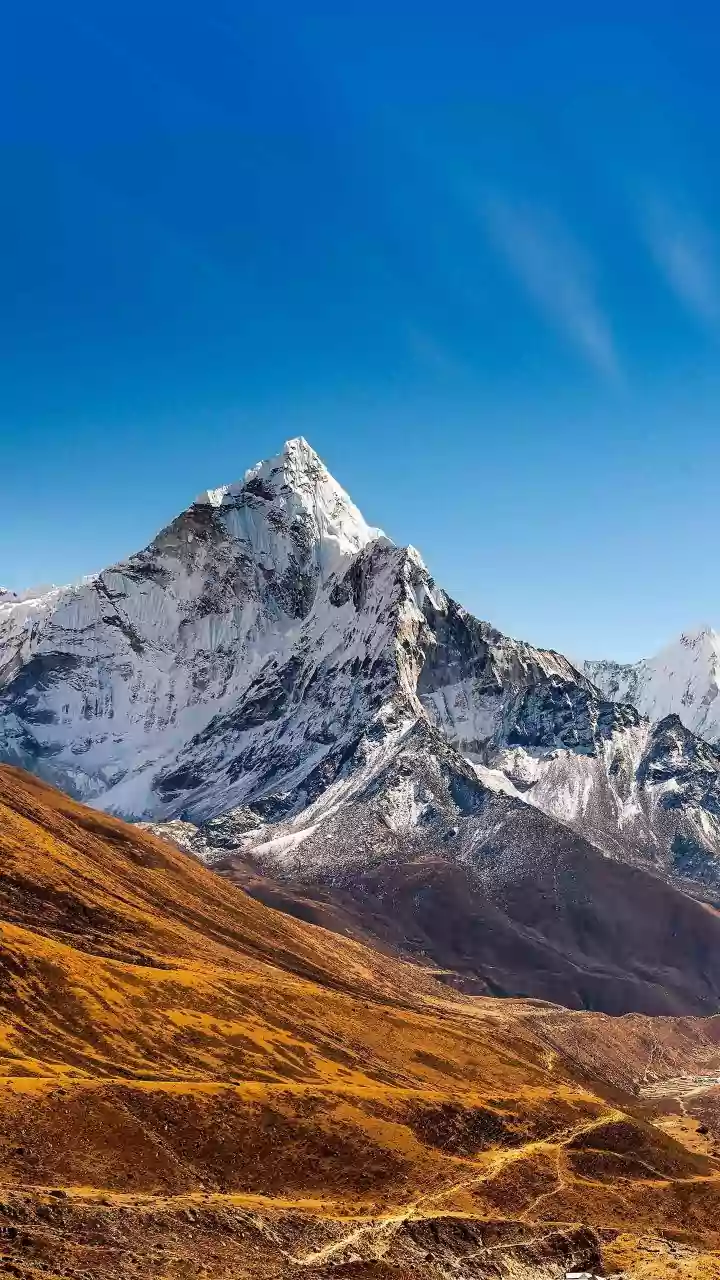
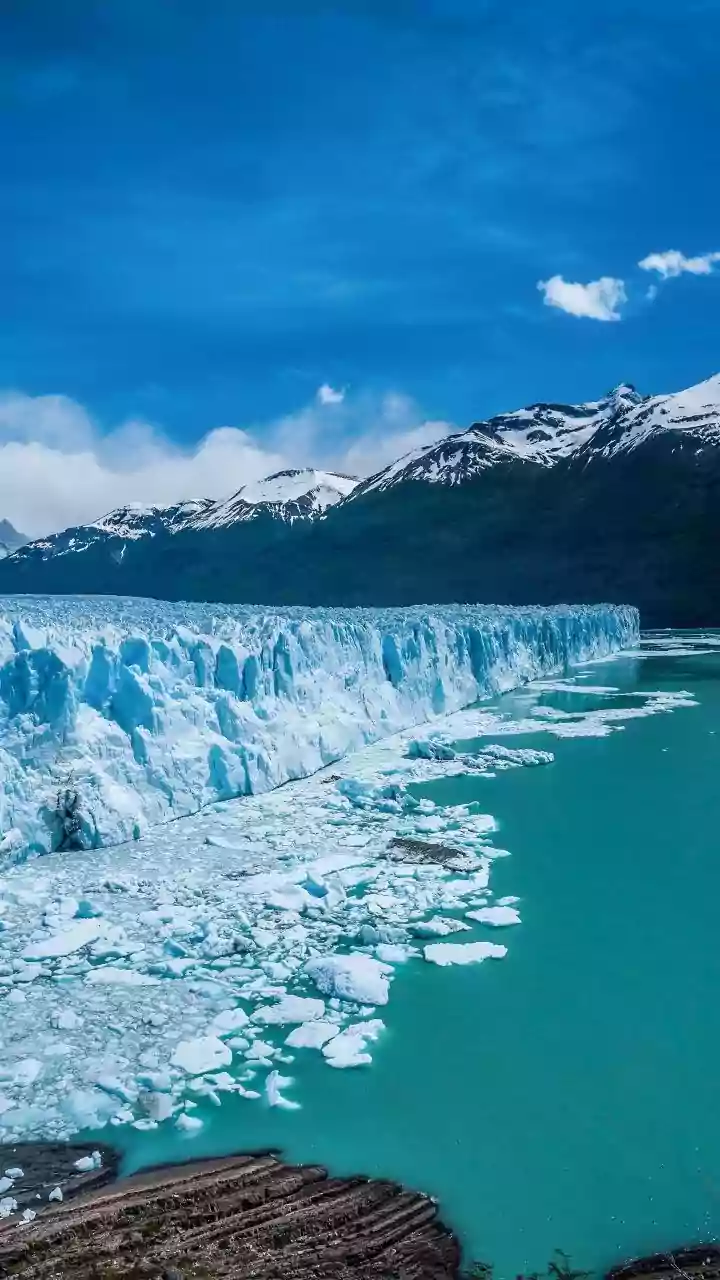
Nepal's geography makes it uniquely vulnerable to these cascade events. The Himalayas are young, steep, and geologically active, making them prone to landslides. Intense monsoon rains and, increasingly, melting glaciers due to climate change, provide the water that turns landslides and debris flows into catastrophic floods. The combination of steep mountain slopes feeding into narrow river valleys creates perfect conditions for both the initial flood and the subsequent formation of landslide dams. This risk is not confined to Nepal; it is a shared reality across the Hindu Kush Himalaya region, where warming temperatures are making such hazards more frequent and unpredictable.
The Race Against Time
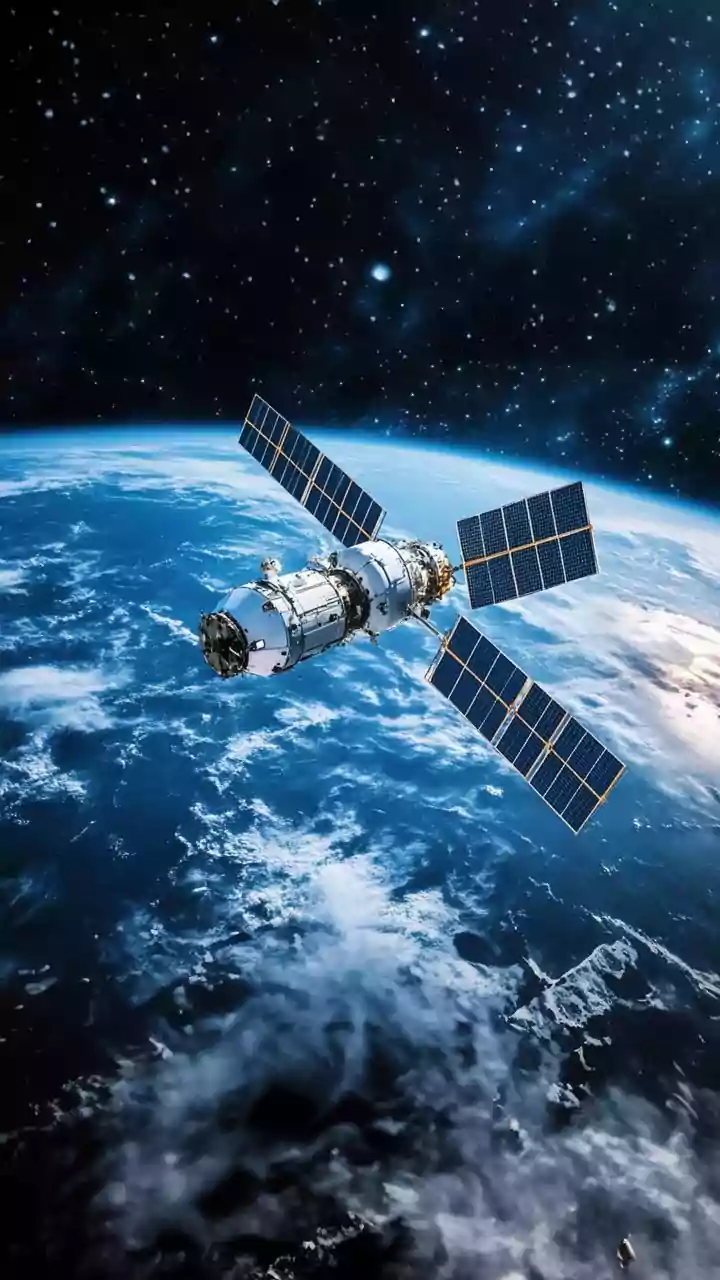
For authorities and scientists, the period after a major flood is a critical race against time. Experts use satellite imagery and field reports to identify potential blockages in the river system. Warnings were issued following the August 26 event about the possibility of a second flood due to a blockage upstream near the Nepal-China border, prompting evacuation orders. Monitoring these dams is fraught with danger, and options for mitigation are limited. In some cases, controlled breaches can be attempted to drain the backed-up water safely, but this is a complex and high-risk operation. Often, the only option is to monitor the situation and provide early warnings to downstream communities, a task made harder when monitoring stations are destroyed by the initial flood.