





The Tale of Two Staples: North vs. South
The most significant factor influencing the cost of a vegetarian meal is the primary staple grain of a region. In North India, meals are traditionally wheat-based, revolving around rotis, parathas, and breads. Conversely, South Indian cuisine is built
on a foundation of rice. While both are cereals, their cultivation, supply chains, and market prices differ. Some regions consume rice almost exclusively, while others depend on wheat. This fundamental difference in the main carbohydrate source creates a baseline cost variation. A meal's affordability is often tied to how close you are to the farms growing these staples. Where wheat is abundant, a roti-based meal is naturally more economical. Where paddy fields stretch for miles, a rice-based meal will be cheaper.
The Deciding Power of Dal
Beyond grains, pulses (dals) form the protein backbone of most Indian vegetarian meals. However, not all dals are priced equally, and their prevalence varies regionally. For instance, tur dal (pigeon peas) and chana dal (split chickpeas) have different cultivation zones and market dynamics. A region that extensively grows a particular pulse will likely feature it more prominently and affordably in its local cuisine. Government policies, such as Minimum Support Prices (MSPs), can also influence which pulses farmers grow, affecting their availability and market price. Therefore, the type of dal used in a standard 'dal fry' or 'sambar' can subtly alter the final cost of your meal depending on where you are eating.
The Vegetable Basket Lottery
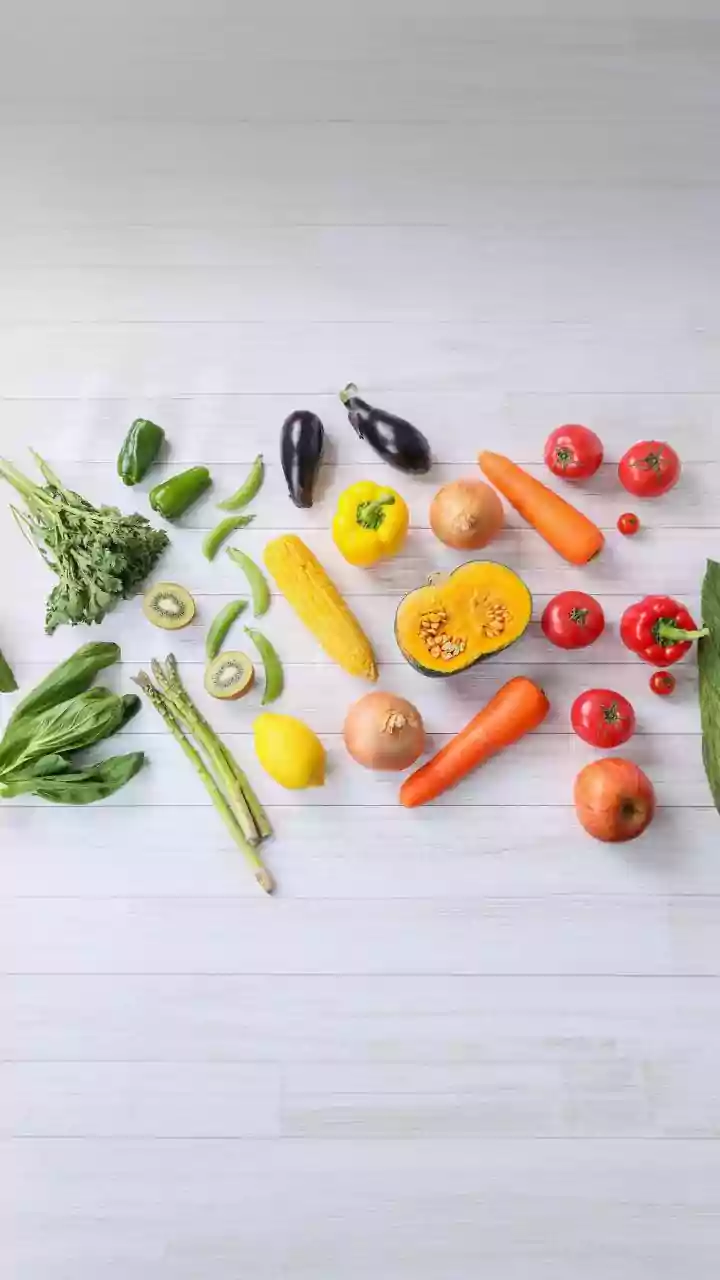
Fresh vegetables are perhaps the most volatile component of a thali's cost. Their prices are heavily dictated by seasonality, local production, and logistics. Onions, tomatoes, and potatoes are staples across the country, but their prices can fluctuate dramatically based on supply. Recent reports from October 2026 show onion prices surging significantly due to tight stocks and delayed harvests, directly impacting the cost of a vegetarian thali. A meal in a state that is a major producer of specific vegetables will generally be cheaper than in a region that has to 'import' them from far away. Inadequate storage and transportation infrastructure can lead to spoilage and wastage, further driving up prices in remote areas.
Impact of Climate and Seasonality
India's major cropping seasons, Kharif (June-October) and Rabi (November-April), determine the flow of produce into the market. During peak harvest times, an abundance of supply typically leads to lower prices. Conversely, during the off-season, prices climb. This seasonal rhythm is increasingly being disrupted by extreme weather events like unseasonal rains or heatwaves, which can damage crops and create sudden shortages. These climate shocks have an immediate effect on the prices of temperamental crops like tomatoes and onions, making the cost of a simple meal unpredictable for both farmers and consumers. For example, a poor monsoon can delay the arrival of fresh crops, causing prices to remain high.
The Urban-Rural Divide and Modern Tastes
There's also a noticeable cost difference between rural and urban areas. In rural households, food can constitute a larger portion of the family budget. While ingredients may be cheaper closer to the source, lower average wages can make affordability a challenge. In cities, higher transport and logistic costs, rent, and demand for a wider variety of non-local or 'exotic' vegetables can inflate the price of a vegetarian meal. The growing demand for ingredients not native to a region, driven by changing urban tastes, adds complexity and cost to the supply chain, moving away from the traditional model of eating what is grown locally and seasonally.