



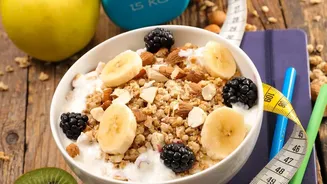

For many, the love for sweets is a lifelong affair, but managing blood sugar can feel like it demands a breakup. The good news is, it's not about total deprivation but rather a smart, mindful approach to indulgence.
Beyond a Simple 'No'
The belief that a diabetes diagnosis
means a lifetime ban on desserts is a common misconception. The reality is more nuanced and empowering. Managing blood sugar is not about eliminating joy but about understanding how different ingredients affect your body. The goal is to move from a mindset of restriction to one of strategic substitution and moderation. Instead of focusing on what you can't have, the modern approach is to discover the wide world of ingredients that can create delicious treats without causing sharp spikes in glucose levels. It’s about being picky, choosing sweets made with whole fruits, or those that are naturally lower in carbohydrates. This allows for the occasional indulgence as part of a balanced eating plan, rather than a source of guilt or anxiety.
Rethinking Flour and Grains
The foundation of many traditional sweets is refined white flour, a simple carbohydrate that the body quickly converts to glucose. A simple switch to higher-fibre flours can make a significant difference. Almond flour, for example, is low in carbs and high in protein, fibre, and healthy fats, giving it a low glycemic index. Coconut flour is another excellent choice, packed with fibre that helps slow down sugar absorption. Even whole wheat or oat flour can be a better choice than their refined counterparts, as the added fibre helps to manage blood glucose. For traditional Indian sweets, exploring flours like besan (chickpea flour) can also be beneficial due to its higher protein content and lower glycemic index compared to wheat flour.
Smart and Sweet Substitutions
Refined sugar is often the first ingredient people look to replace. Thankfully, there are many natural, lower-calorie sweeteners that don't impact blood sugar in the same way. Stevia, derived from a plant, and monk fruit extract are two popular zero-calorie options suitable for baking. Sugar alcohols like erythritol are another alternative, though they should be used in moderation to avoid digestive discomfort. You can also harness the natural sweetness of whole foods. Mashed bananas, unsweetened applesauce, or pureed dates can provide sweetness and moisture to baked goods, along with added fibre and nutrients. Spices like cinnamon, cardamom, and vanilla can also enhance the perception of sweetness without adding any sugar.
The Power of Fat and Fibre
Carbohydrates eaten alone tend to cause the fastest rise in blood sugar. Pairing them with healthy fats and fibre is a powerful strategy to slow down digestion and absorption. This is why ingredients like nuts, seeds, and avocados are fantastic additions to blood sugar-friendly desserts. Healthy fats from sources like almond butter, olive oil, or even avocado in a chocolate mousse can create a richer, more satisfying treat that results in a gentler glucose response. Similarly, adding sources of fibre like flaxseed, chia seeds, or oats helps to stabilise blood sugar levels and increases the feeling of fullness, making you less likely to overindulge.
Portion Control Remains King
Even the most thoughtfully prepared dessert can impact blood sugar if eaten in large quantities. Portion control is a critical component of enjoying sweets responsibly. Rather than eating a large slice of cake, a smaller piece can be just as satisfying, especially when savoured slowly. Using mini muffin tins for baking or preportioning treats can make it easier to stick to a sensible serving size. It's also helpful to enjoy dessert as part of a balanced meal rather than on an empty stomach, as the other components of the meal will help blunt the rise in blood sugar. Ultimately, total carbohydrate count matters more than just the sugar content, so being mindful of the serving size of any sweet treat is essential.
Inspiring Recipe Ideas
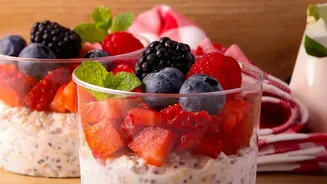
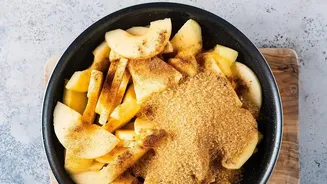
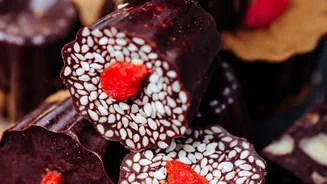
With these principles in mind, a world of delicious desserts opens up. Imagine creamy chocolate avocado mousse, where the avocado provides a silky texture and healthy fats. Consider chewy cookies made with almond flour and peanut butter, or fudgy brownies that use black beans or sweet potato for moisture and fibre. For an Indian touch, think of paneer kheer made with a sugar substitute or besan ladoos prepared with less sugar and more nuts. A parfait layered with Greek yoghurt, berries, and chia seeds makes for a refreshing and balanced sweet, while baked apples with cinnamon offer a simple, warm dessert. These ideas prove that you don't have to sacrifice flavour for health.