



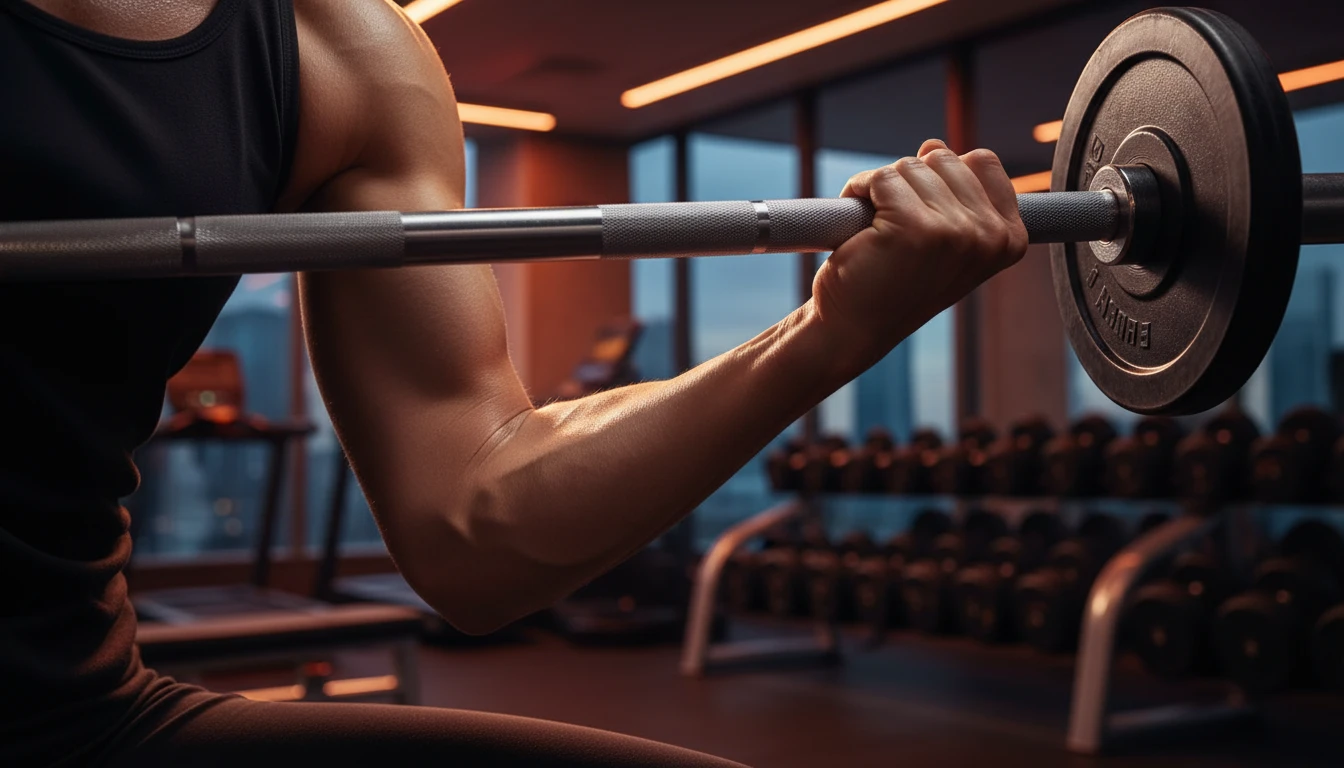




A Shift in Fitness Philosophy
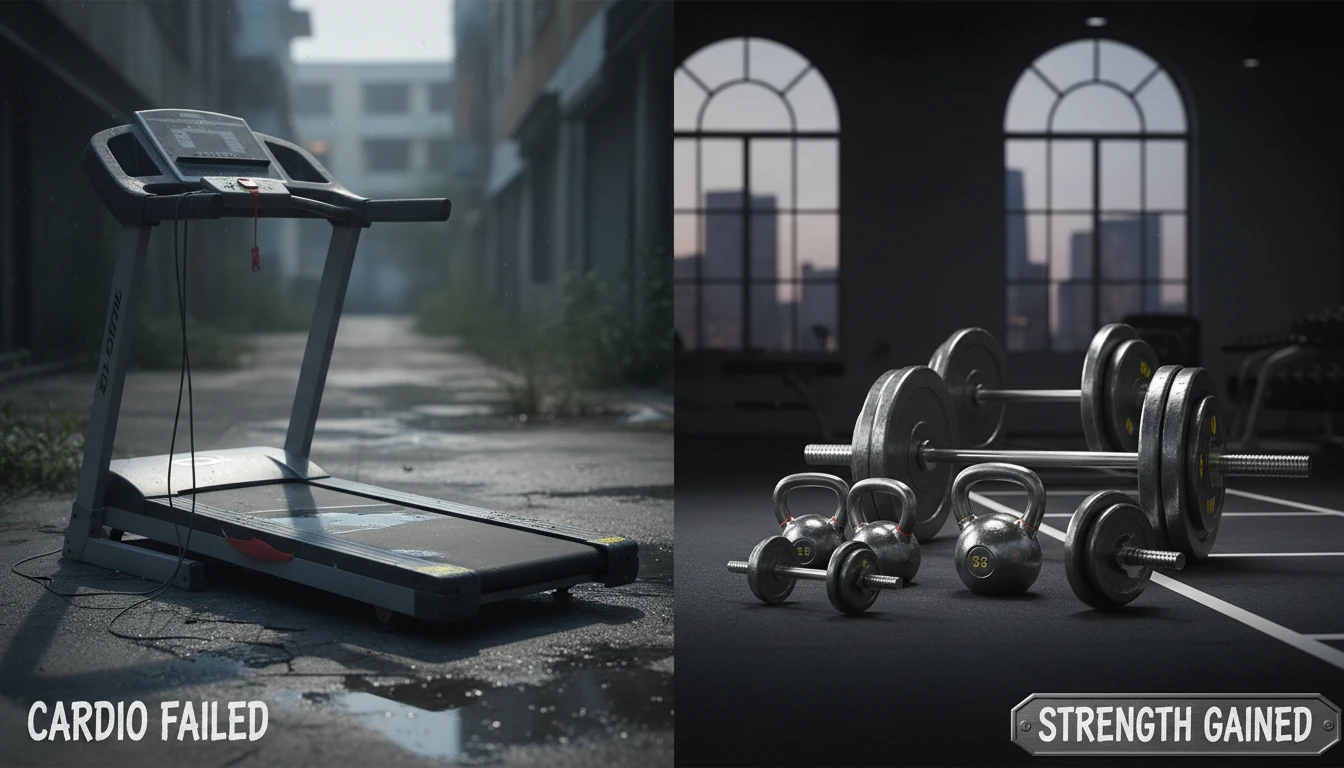
For decades, the dominant fitness narrative for women revolved around one primary goal: getting smaller. Endless hours on the treadmill, elliptical, and in aerobics classes were sold as the one-way ticket to a lean physique. But a significant change is
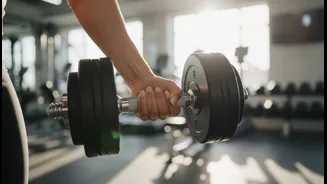
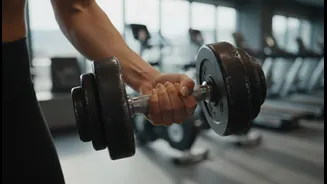
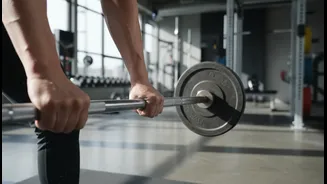
underway. Women are increasingly trading long cardio sessions for the structured challenge of lifting weights. This isn't just a fleeting trend; it represents a fundamental rethinking of what it means to be fit. The focus has moved from purely aesthetic goals to a desire for strength, capability, and long-term health. It's a move from exercising to change how your body looks, to celebrating what your body can do.
Debunking the 'Bulky' Myth
One of the most persistent myths that has historically deterred women from lifting weights is the fear of becoming 'bulky'. This concern is largely unfounded. Women typically have 15 to 20 times less testosterone than men, the primary hormone responsible for significant muscle hypertrophy. Gaining a large amount of muscle mass requires a highly specific, intense training regimen and a tailored diet over a long period. For most women, strength training leads to a leaner, more toned appearance by building lean muscle and reducing body fat. The result is not bulk, but strength and definition.
The Science-Backed Health Benefits
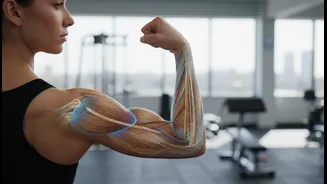
The move towards strength training is heavily supported by science. Resistance exercises offer a host of benefits that are particularly crucial for women's health. It significantly boosts metabolism by increasing resting metabolic rate, meaning your body burns more calories even at rest. Another critical benefit is its impact on bone health. Weight-bearing exercises stimulate bone-forming cells, leading to increased bone density and a reduced risk of osteoporosis, a condition to which women are more susceptible as they age. Muscle mass naturally declines by about 3-8% per decade after the age of 30, and strength training is a powerful tool to counteract this loss.
More Than Physical: The Mental Gains
Perhaps the most profound driver of this trend is the mental and emotional payoff. Lifting weights is an empowering act. Setting and achieving strength goals provides a tangible sense of accomplishment that boosts confidence and self-esteem. Studies have shown that resistance training can reduce symptoms of anxiety and depression by triggering the release of mood-enhancing endorphins and supporting healthy levels of serotonin and dopamine. The focus required during a lift can be a form of mindfulness, interrupting negative thought patterns and reducing stress. Women are discovering that building physical strength directly translates to enhanced mental resilience.
Strength in Community
The rise of strength training has also been fuelled by community, both online and in gyms. Social media platforms are filled with women sharing their lifting journeys, offering encouragement, and dispelling outdated notions about female fitness. This digital support system has helped normalise the image of strong women and created a space for sharing knowledge and celebrating progress. In the gym, the shared experience of pushing limits forges strong bonds. It's a shift away from solitary workouts toward a collective celebration of strength, where progress is measured not just on the scale, but by the weight on the bar and the feeling of empowerment it brings.