
From Sightseeing to 'Experiencing'
The modern traveller, especially among millennials and Gen Z, is no longer content with just a photo in front of a famous landmark. The new currency of travel is experiences—the kind that create lasting memories and stories worth sharing. This has sparked
a boom in what the industry calls 'experiential travel,' a trend focused on deep cultural immersion. Instead of just visiting a place, travellers want to live it, and Indian states are taking notice. They are moving beyond promoting just beaches and palaces, realizing that the true soul of the country is often found in its kitchens and its calendars. This shift is reshaping itineraries, with food walks, village tours, and local festival attendance becoming primary attractions.
A Feast for the Senses
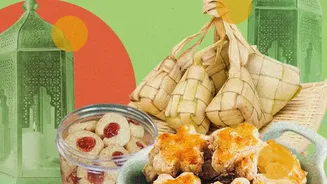
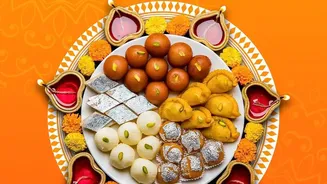
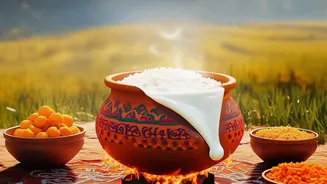
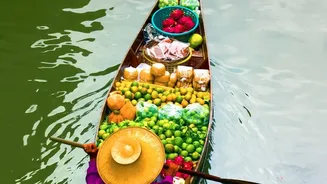
Culinary tourism is rapidly becoming a major driver for travel within India. The country's vast and varied gastronomic landscape offers an endless menu for exploration. Travellers are venturing beyond fine-dining restaurants and into rural heartlands to taste traditional recipes. State tourism boards are actively promoting their unique food cultures as a key draw. Andhra Pradesh, for instance, recently announced plans to develop the state into a dedicated culinary tourism hub, aiming to promote Telugu cuisine on a national and international level through food festivals and events. This isn't just about eating; it's about understanding culture through its flavours. Activities like guided food walks through the bustling lanes of Old Delhi, learning to cook traditional dishes in a Rajasthani home, or following a spice trail in Kerala offer a hands-on connection to a region's heritage. This focus on food is proving to be a powerful tool for branding destinations and attracting a new wave of curious foodies.
The Rhythm of Celebration
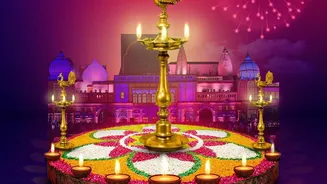
Alongside food, India's vibrant festivals are becoming powerful magnets for tourism. These events offer an unparalleled window into the country's cultural soul. States like Gujarat have successfully put themselves on the global map by promoting festivals like the Rann Utsav and the Navratri celebrations. Similarly, the Hornbill Festival in Nagaland offers an immersive experience of the region's diverse tribal cultures, while Kerala's Thrissur Pooram mesmerizes visitors with its grand elephant parades and traditional music. These festivals are no longer just local celebrations; they are major tourism products that drive significant visitor numbers. A recent survey showed that a high percentage of Indian travellers are now planning trips specifically to witness events like Kolkata's Durga Puja and Kerala's Onam, highlighting a clear trend of planning vacations around cultural happenings.
Why This Trend Matters
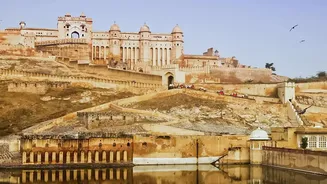
This shift towards experiential travel has benefits that go far beyond just providing great vacation photos. By focusing on local food and festivals, tourism revenue is more likely to reach and empower local communities, from artisans and performers to small-scale food producers. It encourages the preservation of intangible cultural heritage, giving communities a strong economic incentive to keep their unique traditions alive. Furthermore, this model promotes a more sustainable form of tourism. It disperses visitors beyond the overcrowded 'Golden Triangle' and encourages engagement with lesser-known regions, creating a more balanced and authentic tourism ecosystem across the country. The rise of food and festival tourism is not just changing where people go; it's changing how they connect with India itself, fostering deeper understanding and appreciation.