




Warm Soups and Herbal Teas
During the rainy season, your digestive system naturally slows down. Counter this by opting for warm, light, and freshly cooked foods. Warm vegetable soups, especially those seasoned with digestive spices like pepper and ginger, are excellent choices.
They are nourishing, easy on the stomach, and help maintain energy levels. Similarly, swapping cold drinks for herbal teas is a wise move. Teas made with ginger, tulsi (holy basil), and cinnamon not only keep you hydrated but also provide antioxidants that help fight infections and support respiratory health.
Embrace Turmeric and Ginger
Two staples of the Indian kitchen, turmeric (haldi) and ginger (adrak), are your best friends during the monsoon. Turmeric contains curcumin, a compound renowned for its powerful anti-inflammatory and immunity-boosting properties. Ginger is a traditional remedy for coughs and colds, containing anti-inflammatory compounds that help reduce infections. Adding fresh ginger and turmeric to your dals, curries, and teas can significantly enhance your body's defense system. A small piece of ginger with rock salt before meals is also an Ayurvedic tip to improve digestion.
Choose Gourds and Cooked Vegetables
While leafy green vegetables are nutritional powerhouses, they can be risky during the monsoon. Growing close to the ground, they can be contaminated by bacteria from waterlogged soil. It's best to either avoid them or wash them thoroughly and cook them well. A safer bet is to turn to gourds like bottle gourd (lauki), bitter gourd (karela), and ridge gourd (tori). These vegetables are light, easy to digest, and rich in essential nutrients. Always opt for steamed or well-cooked vegetable preparations over raw salads, which carry a higher risk of contamination.
Opt for Seasonal Fruits
Seasonal fruits are a great way to get a dose of essential vitamins. Fruits like jamun, plums, cherries, litchi, pears, and pomegranates are excellent choices during the monsoon. They are packed with Vitamin C and antioxidants, which are crucial for strengthening the immune system. Amla, or Indian gooseberry, is another standout, containing significantly more Vitamin C than an orange. It is advisable to eat whole fruits rather than pre-cut fruits from street vendors, as they can be exposed to contaminants. Papaya is also beneficial for its high fibre content and digestive enzymes.
Lean on Lentils and Pulses
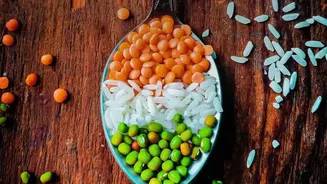
Light and easy-to-digest proteins are ideal for the monsoon diet. Moong dal, in particular, is highly recommended. A simple khichdi made from rice and moong dal is a comforting and complete meal that doesn't burden the digestive system. Lentils and pulses provide sustained energy and essential nutrients. It is generally advised to consume freshly prepared meals, as food tends to spoil faster in the humid climate, increasing the risk of bacterial growth.
A Note on What to Avoid
Knowing what not to eat is just as important. It is highly recommended to avoid street food, especially items like pani puri where the water may be unboiled and contaminated. Deep-fried snacks like pakodas and samosas, while tempting, are heavy and can lead to bloating and indigestion. It's also wise to be cautious with dairy products like curd and paneer from outside vendors, as they may not be stored correctly; making them fresh at home is a safer alternative. Finally, avoiding raw foods, heavy meats, and excessive spicy food can help keep your digestive system happy and healthy throughout the season.