




Declutter Before You Arrange
Before moving a single piece of furniture, the first step is to declutter. Visual clutter is anything that creates a sense of disorganisation, making a room feel smaller and more chaotic. Start by sorting your belongings into three categories: keep, donate,
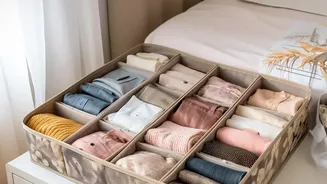
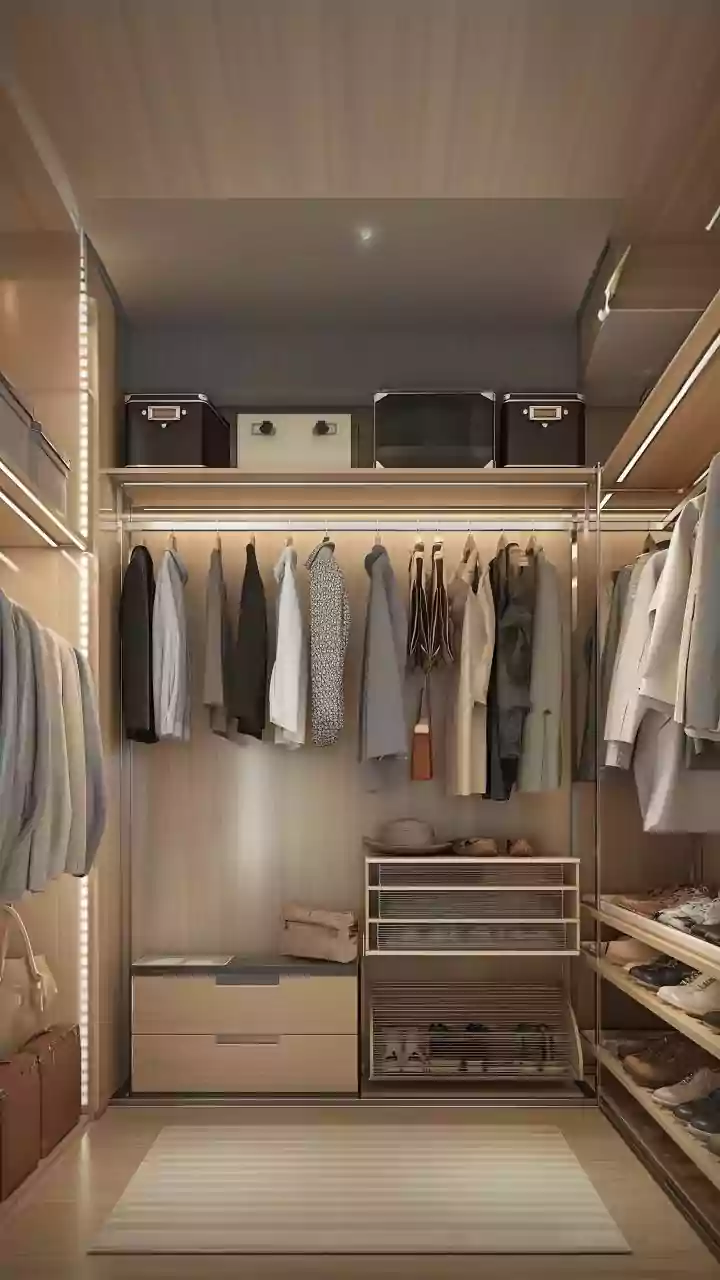
and discard. Be ruthless about what you choose to keep. If an item doesn't serve a purpose or bring you joy, it's taking up valuable real estate. Once you've pared down your possessions, you'll have a clearer idea of the storage you actually need, preventing you from over-furnishing the space.
Anchor the Room With the Bed
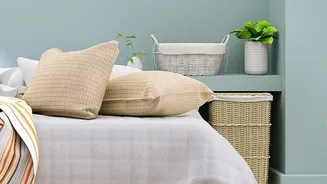
The bed is the largest piece of furniture in any bedroom, so its placement is critical. The most common and effective strategy is to place your bed in the centre of the main, most visible wall—usually the one you see when you walk in. This creates a sense of symmetry and balance, which can make the entire room feel more orderly and spacious. If possible, leave enough clearance on both sides for walkways, even if they are narrow. This prevents the room from feeling like a dead end and improves its overall flow.
Think Vertically for Storage
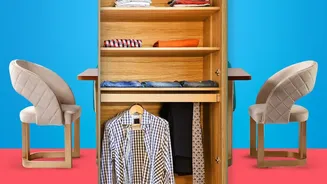
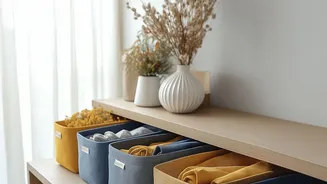
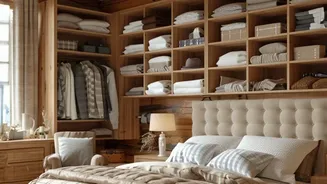
When floor space is at a premium, the only way to go is up. Maximising vertical space is a classic trick for small rooms because it draws the eye upward and frees up the floor. Instead of wide, short bookcases or dressers, opt for tall, slender ones that offer more storage on a smaller footprint. Wall-mounted solutions are your best friend; floating shelves can replace bulky nightstands, and picture ledges can display decor without eating up surface space. This approach helps you store essentials while keeping the floor clear, creating an illusion of a larger area.
Choose Smart, Multi-Functional Furniture
In a compact room, every piece of furniture should earn its keep. Multi-functional furniture is essential for maximising utility without adding bulk. In India, where urban apartments are often compact, this trend has become a necessity. A storage bed with built-in drawers or a hydraulic lift mechanism can eliminate the need for a separate dresser, hiding away bulky items like blankets and seasonal clothing. A slim desk can double as a dressing table, while a set of nesting tables can serve as a nightstand or be separated for use when needed. These dual-purpose pieces reduce the number of items in the room, which is key to minimising clutter.
Use Light and Colour to Create Space
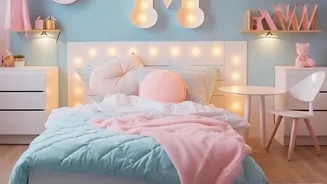
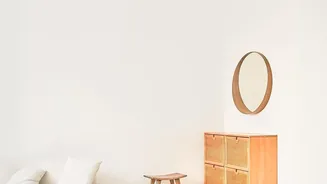
Never underestimate the power of colour to transform a room. Light and neutral paint colours like soft whites, pale blues, and gentle greys are known for making a space feel larger and more open because they reflect natural light. However, this doesn't mean you must avoid dark colours. A dark accent wall, such as a deep navy or forest green, can create a sense of depth, making the wall appear to recede. Mirrors are another powerful tool. Placing a large mirror opposite a window will bounce light around the room and create an illusion of depth, making your bedroom feel brighter and more expansive.
Select Visually 'Light' Pieces
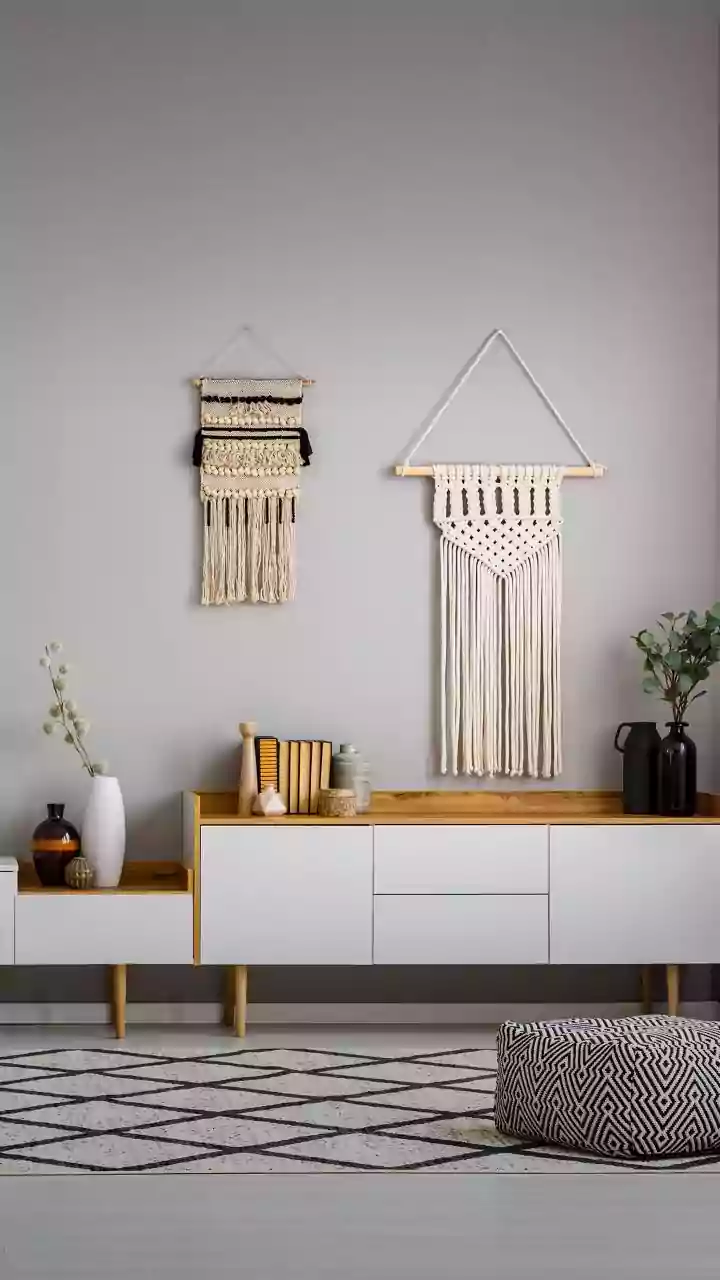
The physical weight of furniture is one thing, but its visual weight is just as important. To reduce clutter, choose furniture that appears light and airy. Pieces with raised legs—like a dresser or a nightstand on slender legs—allow you to see more of the floor, which tricks the eye into perceiving a larger space. Furniture made of glass or acrylic also works well because it doesn't block the view, making it seem as if it's barely there. Armless chairs and benches are another great option as they take up less physical and visual room.