

Setting the Stage
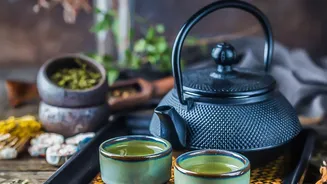
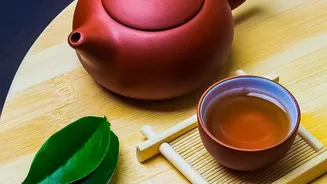
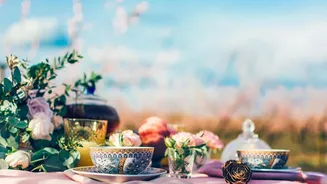
A successful tea tasting begins with the basics. You don't need expensive equipment. Start with what you have: a kettle, small cups or mugs, and infusers or small teapots. White or clear cups are ideal as they allow guests to appreciate the colour of
each brew. Plan to taste three to five different teas; any more can overwhelm the palate. For a focused tasting, arrange seating around a single table. If you prefer a more casual mingling atmosphere, set up different stations. Decide on your tasting order before guests arrive, typically moving from the lightest teas to the strongest: for example, green, oolong, black, and then herbal.
Understanding the Teas
The heart of your tasting is the tea itself. All 'true' teas—green, black, and oolong—come from the same plant, Camellia sinensis. The difference lies in their processing, specifically oxidation, which is the chemical reaction that occurs when the leaves are exposed to air. Green tea is unoxidized, preserving its fresh, often vegetal or grassy flavours. Black tea is fully oxidized, which creates its deep colour and bold, malty notes. Oolong tea falls in the middle; it is partially oxidized, offering an incredible spectrum of flavours from floral and light to roasted and rich. Herbal teas, or 'tisanes', are not made from the tea plant but from infusions of herbs, flowers, fruits, or roots, and are typically caffeine-free.
Your Tea Selections
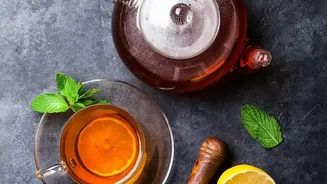
For your tasting, aim for variety. Select one tea from each main category. For green tea, a Japanese Sencha offers a fresh, marine-like character, while a Chinese Dragon Well will be toastier. For black tea, consider a robust, malty Assam from India or a more delicate, fruity Darjeeling. Oolong is a complex category; a lightly oxidized Tie Guan Yin will be floral, while a darker roasted Wuyi rock tea will provide a richer experience. For your herbal option, choose something crowd-pleasing and caffeine-free. Peppermint is crisp and refreshing, chamomile is soft and apple-like, and hibiscus offers a tart, fruity vibrancy.
The Art of the Brew
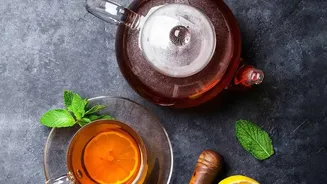
Brewing correctly is crucial for flavour. Using the right water temperature and steeping time for each tea type will prevent bitterness and unlock its best characteristics. As a general guide, use about one teaspoon of loose tea per 200ml of water. For green tea, use water that is below boiling (around 70-85°C) and steep for only 2-3 minutes. Oolong teas can handle hotter water (around 85-96°C) for 3-5 minutes. Black teas and most herbal teas can be brewed with near-boiling water (95-100°C). Black teas should steep for 3-5 minutes, while herbal infusions often benefit from a longer steep of 5-7 minutes.
Guiding the Experience
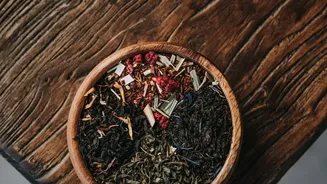
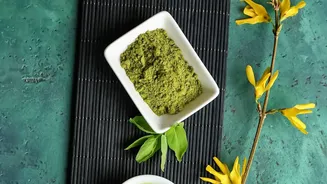
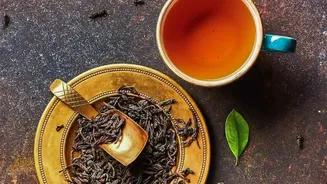
Turn the tasting into a sensory journey. For each tea, first present the dry leaves for guests to see and smell. After brewing, have everyone observe the colour of the brewed liquid, known as the liquor. Next, invite them to inhale the aroma from the cup before taking their first sip. Encourage guests to describe what they taste, but keep it simple. Notes like 'floral', 'smoky', 'sweet', or 'earthy' are perfect. You can provide note cards for guests to jot down their thoughts. Most importantly, you don’t need to be an expert to lead the event; your role is to facilitate the discovery.
Food Pairings and Palate Cleansers
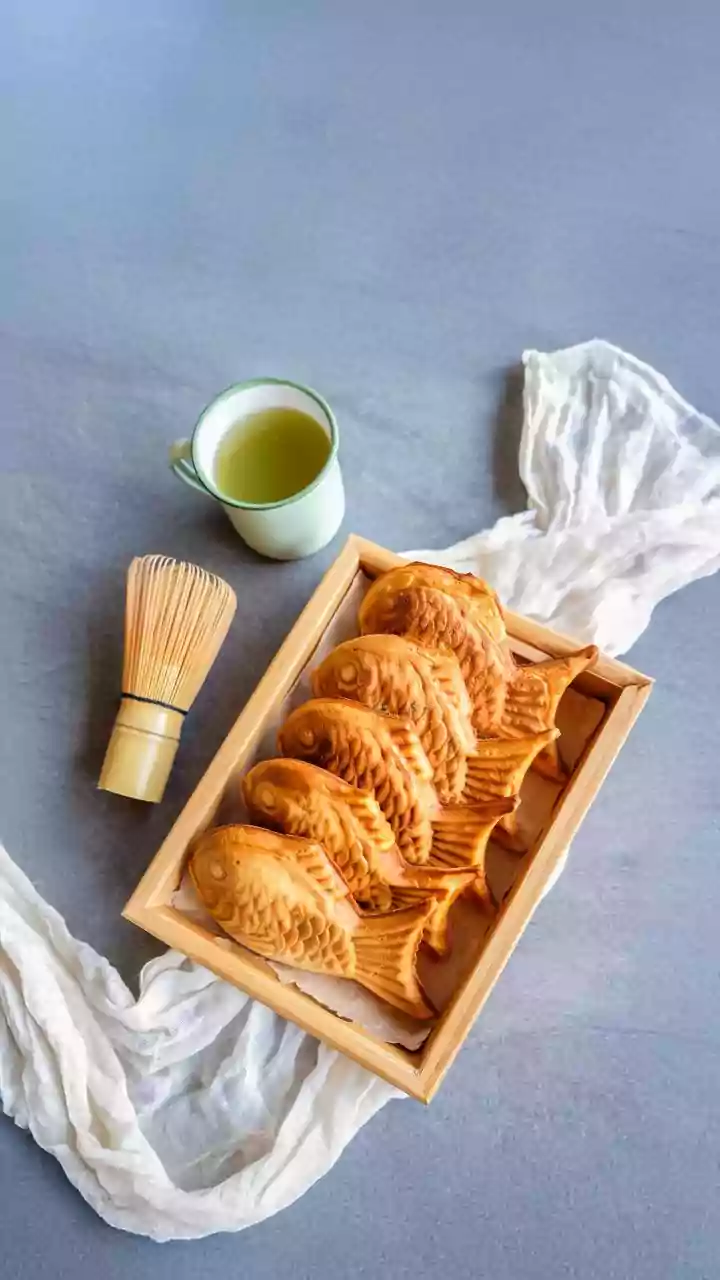
Serve simple snacks that won't overpower the delicate flavours of the tea. Plain crackers, unsalted nuts, or mild shortbread cookies are excellent choices to cleanse the palate between tastings. For a more substantial offering, consider classic pairings like crustless cucumber and cream cheese sandwiches, mini quiches, or a fresh fruit platter. The goal is to complement the tea, not compete with it. A selection of light, bite-sized foods will keep the focus on the main event: the tea itself.