








Making the Invisible Visible
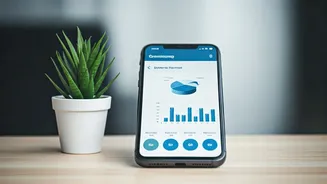
The single biggest challenge in modern personal finance is that spending has become invisible. We tap our cards, use UPI for even the smallest purchases, and subscribe to services with a click, often losing track of the total outflow. Budgeting apps solve
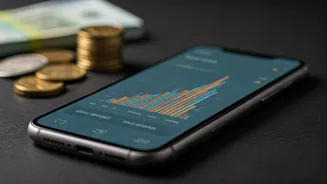
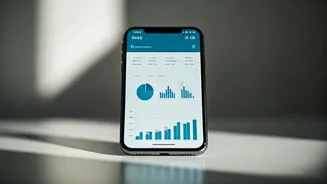
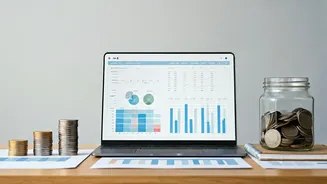
this core problem by making your financial behaviour visible. Many apps automatically sync with your bank accounts and read transaction SMS alerts to categorise every expenditure without requiring tedious manual entry. Instead of guessing how much you spent on food delivery or entertainment, the app presents you with clear, undeniable data, often in easy-to-read charts and graphs. This simple act of seeing where your money actually goes is often the first and most crucial step toward changing your spending behaviour.
The Power of Automation and Nudges
One of the most significant advantages of using a budgeting app is automation. The best apps take on the heavy lifting of tracking and categorisation, which frees you up to focus on analysis and decision-making. They can identify recurring bills and subscriptions, helping you spot services you may have forgotten about but are still paying for. Furthermore, these digital tools act as a financial companion, providing gentle nudges and reminders that help build discipline. Notifications like “You’ve spent 80% of your dining budget” serve as real-time cues that influence your spending choices in the moment, rather than after the fact. This automated, consistent feedback loop is far more effective than relying on willpower alone, which often fades under stress or decision fatigue.
From Tracking to Goal Setting
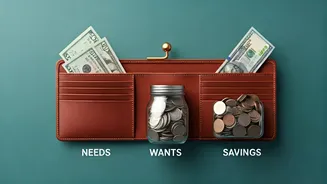
Merely tracking expenses is not enough; the ultimate goal is to save more effectively. This is where goal-setting features come into play. Many apps allow you to create specific, tangible savings goals, whether it’s for a new phone, a vacation, or a down payment on a home. By assigning every rupee a job, you transform budgeting from a restrictive exercise into a purpose-driven one. Seeing your progress toward a goal—visualised with progress bars or other graphics—triggers a sense of achievement and provides powerful motivation to stick with your plan. This approach leverages a key psychological principle: we are more likely to make sacrifices when we have a clear and desirable future reward in mind.
How to Choose the Right App for You
With so many options available, choosing the right app depends on your personality and financial habits. If you primarily use digital payments, an app with automatic SMS or bank account syncing is ideal for convenience. If you deal heavily in cash or prefer to be more hands-on, a manual entry app might build greater spending awareness. Before committing, check for key features: Does it support Indian banks and UPI? Can you create custom spending categories and set limits for them? Does it offer bill payment reminders? It's also wise to review an app's privacy policy to understand what data it accesses. Remember, the best app is the one you will use consistently, so a user-friendly interface is crucial.
Beyond the App: The Human Element
While a budgeting app is an incredibly powerful tool, it cannot build better habits on its own. It can provide data and insights, but you must be the one to act on them. Real financial change happens when you regularly review your spending reports, identify patterns, and make conscious decisions to align your spending with your goals. Many users stop using these apps after a few weeks because they expect the app to do all the work. True success comes from using the app as a partner in your financial journey—a source of clarity that empowers you to take control. The app shows you the 'what,' but it's up to you to understand your 'why' and make lasting changes.