

What Is a Humidity Tray and Why Does It Work?
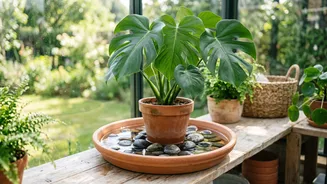
A humidity tray, also called a pebble tray, is a simple, low-tech system for increasing the moisture in the air directly around your plant. It consists of a shallow, waterproof tray filled with a layer of pebbles and water. The plant's pot sits on top
of the pebbles, elevated above the water level. As the water in the tray evaporates, it creates a small, localized pocket of higher humidity around the plant's foliage. This process mimics the naturally humid conditions of the tropical and subtropical environments where many of our favorite houseplants originate. It’s a constant, gentle source of moisture, unlike misting, which only provides a temporary boost and can sometimes lead to fungal issues if water sits on the leaves.
Which Plants Benefit Most?
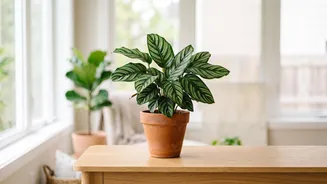
Not all plants need extra humidity. Species native to arid regions, like succulents and cacti, prefer dry air. However, many popular houseplants evolved in rainforests and will thrive with the help of a humidity tray. Look for signs like brown or crispy leaf tips, curling leaves, or slow growth, which can indicate the air is too dry. Plants that will especially appreciate a humidity tray include ferns (like Boston and maidenhair ferns), calatheas, prayer plants (Maranta), orchids, and peace lilies. Others that benefit are Alocasia (Elephant Ear), philodendrons, anthuriums, and most palms.
How to Create and Use a Humidity Tray
Making your own humidity tray is incredibly easy and can be done with items you may already have. Start by selecting a waterproof tray or saucer that is at least a few inches wider than the base of your plant's pot; a wider tray provides more surface area for evaporation. Fill the tray with a one to two-inch layer of pebbles, gravel, decorative stones, or even expanded clay pellets. Next, add water to the tray until the level is just below the top of the pebbles. The most critical step is to ensure the plant's pot rests securely on top of the pebbles, not directly in the water. The drainage holes of the pot must stay clear of the water to prevent the soil from becoming waterlogged, which can lead to root rot. Check the water level every few days and refill as needed.
Common Mistakes to Avoid
While simple, there are a few common pitfalls to watch out for. The biggest mistake is overfilling the tray and allowing the pot to sit in standing water. This will suffocate the roots and cause them to rot, defeating the purpose of helping your plant. Always keep the water level below the base of the pot. Another error is using a tray that is too small, which will evaporate too quickly to be effective. Finally, don't forget to clean the tray and pebbles every couple of weeks. This prevents the buildup of algae, mold, or mineral deposits and keeps fungus gnats from finding a new home.
Are There Alternatives?
A humidity tray creates a localized effect, raising humidity only in the immediate vicinity of the plant. For a more significant and room-wide impact, especially in very dry homes, a portable electric humidifier is the most reliable option. Another simple and effective strategy is to group several plants together. As plants release moisture through a process called transpiration, clustering them creates a shared microclimate with naturally higher humidity. Combining a humidity tray with plant grouping can amplify the benefits. You can also place plants in naturally more humid rooms, like a bathroom or kitchen, provided they have adequate light.