




The Problem with Plastic
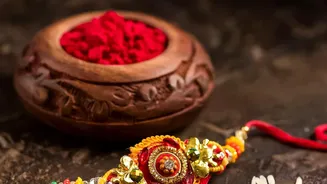
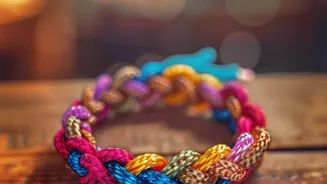
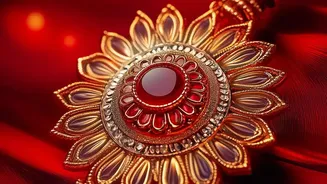
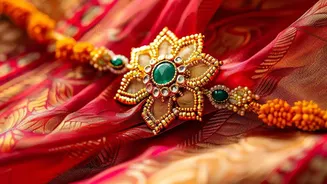
For years, the colourful threads of Raksha Bandhan have come with a hidden environmental cost. Most mass-produced rakhis are made from non-biodegradable materials like plastic beads, polyester or nylon threads, and synthetic glitter and glues. Every year,
millions of these rakhis are worn for a day and then discarded, ending up in landfills and waterways where they persist for hundreds of years, contributing to plastic pollution. This creates a disconnect between the festival's beautiful sentiment of protection and love, and the unintended harm to the planet. The fleeting joy of the celebration has long left a lasting environmental footprint.
An Innovation Takes Root
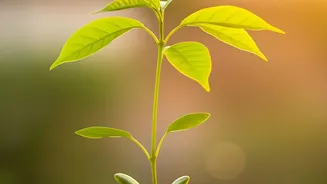
Enter the plantable rakhi, an ingenious and elegant solution. These eco-friendly alternatives are crafted from biodegradable materials, most notably handmade paper embedded with seeds. Instead of plastic embellishments, they use natural materials like wood, clay, or brass. The thread is typically organic cotton, jute, or silk. The concept is simple but powerful: after the festival, instead of being thrown away, the entire rakhi can be planted in soil. With a little water and sunlight, the seeds within germinate, transforming a symbol of a temporary bond into a living plant—often marigold, basil, or tomato—that continues to grow.
More Than Just a Green Trend
The appeal of plantable rakhis goes beyond just environmentalism. It represents a deeper shift in consumer values, where people seek more meaning and purpose in their festive traditions. The act of planting the rakhi and watching it grow becomes a powerful metaphor for the sibling bond itself—nurtured, living, and enduring. It turns a one-day ritual into an ongoing experience, creating a lasting memory that a brother or sister can tend to long after the festival is over. This move toward conscious consumption reflects a desire to align modern sensibilities with cultural practices, making the celebration more personal and impactful.
Fuelling a Cottage Industry
The rise of sustainable rakhis is also a story of social empowerment. A significant portion of these eco-friendly products are handcrafted by local artisans, women's self-help groups, and NGOs across the country. From women in Maharashtra making rakhis from bamboo to artisan groups in Chhattisgarh using indigenous seeds, this trend provides a vital source of livelihood. By choosing a handmade, eco-friendly rakhi, consumers are not only reducing waste but also supporting small-scale entrepreneurs and preserving traditional craft skills. Initiatives by organisations like the Odisha Rural Development and Marketing Society (ORMAS) have enabled women farmers to produce and sell tens of thousands of seed rakhis.
A Growing Niche in a Massive Market
So, are plantable rakhis truly "replacing" their plastic counterparts? While mass-market rakhis still dominate the landscape, the sustainable segment is no longer a fringe movement. It is one of the fastest-growing trends in the festive market. While they may be slightly more expensive, reflecting the cost of handmade production and natural materials, a growing number of consumers are willing to pay the premium for a product that aligns with their values. Online marketplaces and conscious retailers report booming sales, with some seeing their eco-friendly collections expand five-fold in just a few years. This indicates a significant shift in consumer preference, proving that a demand for thoughtful, sustainable options is reshaping the festive marketplace.