




The Monsoon’s Hidden Danger: Root Rot
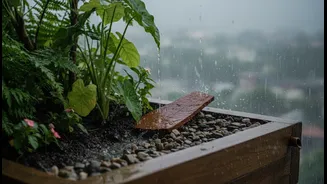
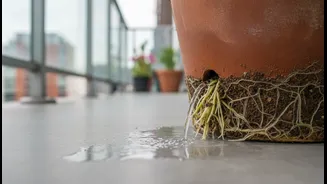
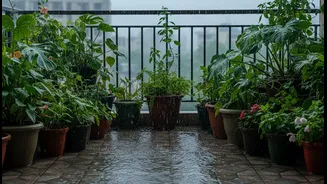
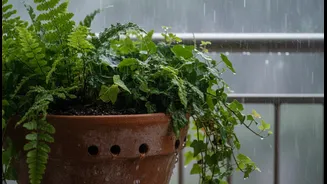
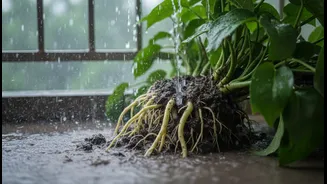
While rain-soaked leaves and cool breezes seem idyllic, the real drama is unfolding beneath the soil. When pots are drenched by daily downpours, the soil becomes saturated. This condition, known as waterlogging, pushes out the air pockets that roots need
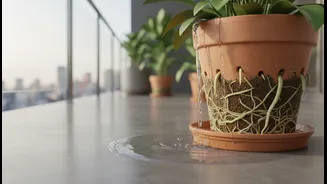
to breathe. Without oxygen, roots can begin to suffocate and decay, a condition called root rot. Early signs include yellowing lower leaves, a wilted or droopy appearance even when the soil is wet, and a sour smell from the pot. If left unchecked, this common monsoon issue can be fatal for even the hardiest plants.
Why Drainage is Your Best Defence
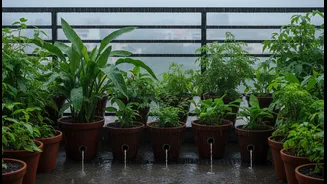
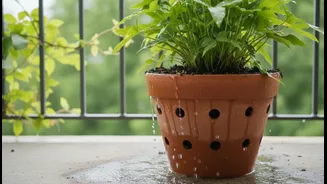
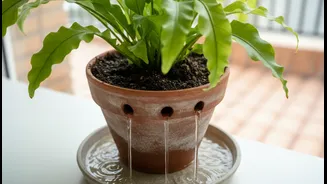
Proper drainage is the single most effective way to combat the negative effects of constant rain. It’s not about preventing your plants from getting water, but about ensuring that excess water has a clear escape route. When water can flow freely through and out of the pot, the soil can retain the moisture it needs without becoming a stagnant swamp. This allows roots to access both water and oxygen, which are essential for healthy growth. Think of it as a safety valve for your pots, automatically releasing the dangerous excess that the monsoon provides.
Start with a Well-Draining Potting Mix
The foundation of good drainage is the soil itself. Using regular garden soil in containers is a common mistake, as it tends to compact and hold too much water. A good potting mix for the monsoon should be light and airy. You can buy pre-made organic potting mixes or create your own. A reliable DIY formula often includes a mix of garden soil, compost for nutrients, and a third component to improve structure and drainage. This could be cocopeat, which helps retain moisture while staying light, or coarse sand and perlite, which create air gaps and help water pass through.
Check, Clear, and Elevate Your Pots
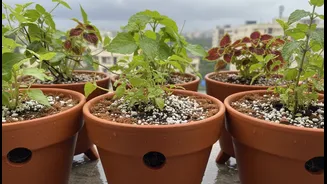
Even the best soil won't help if the water has nowhere to go. First, ensure every pot has at least one drainage hole at the bottom; more is better. These holes can get clogged with compacted soil or roots, so it's wise to check them before the rains start. One of the simplest and most effective upgrades is to elevate your pots. Placing pots on bricks, stones, or dedicated 'pot feet' creates a small gap between the pot and the floor. This simple step prevents the drainage hole from being sealed against the ground and allows excess water to escape freely.
Beware the Saucer of Stagnation
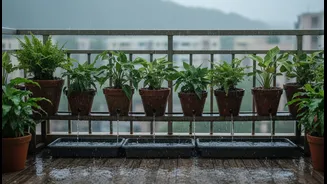
The trays or saucers placed under pots to catch runoff are essential for indoor plants or dry weather, but they become a liability during the monsoon. A saucer can quickly fill with rainwater, leaving the base of your pot submerged in a puddle for days. This is a direct invitation to root rot. During the rainy season, you have two options: either remove the saucers entirely from pots that are exposed to rain, or commit to emptying them immediately after every downpour. Letting a pot sit in a water-filled tray is one of the fastest ways to harm it during the monsoon.
Adjust Your Watering Routine
Finally, the most intuitive but often overlooked tip is to stop watering your plants on a fixed schedule. The daily rain may be providing more than enough moisture. Before you reach for the watering can, always do a simple finger test. Stick your finger about an inch or two into the soil. If it feels damp, the plant does not need more water. Overwatering is one of the most common gardening mistakes, and during the monsoon, the rain can do the overwatering for you. Paying attention to the actual moisture level in the soil is crucial for keeping your plants alive and well.