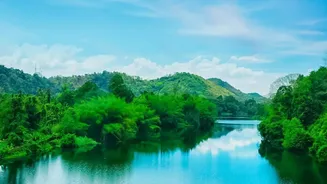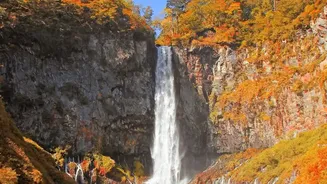

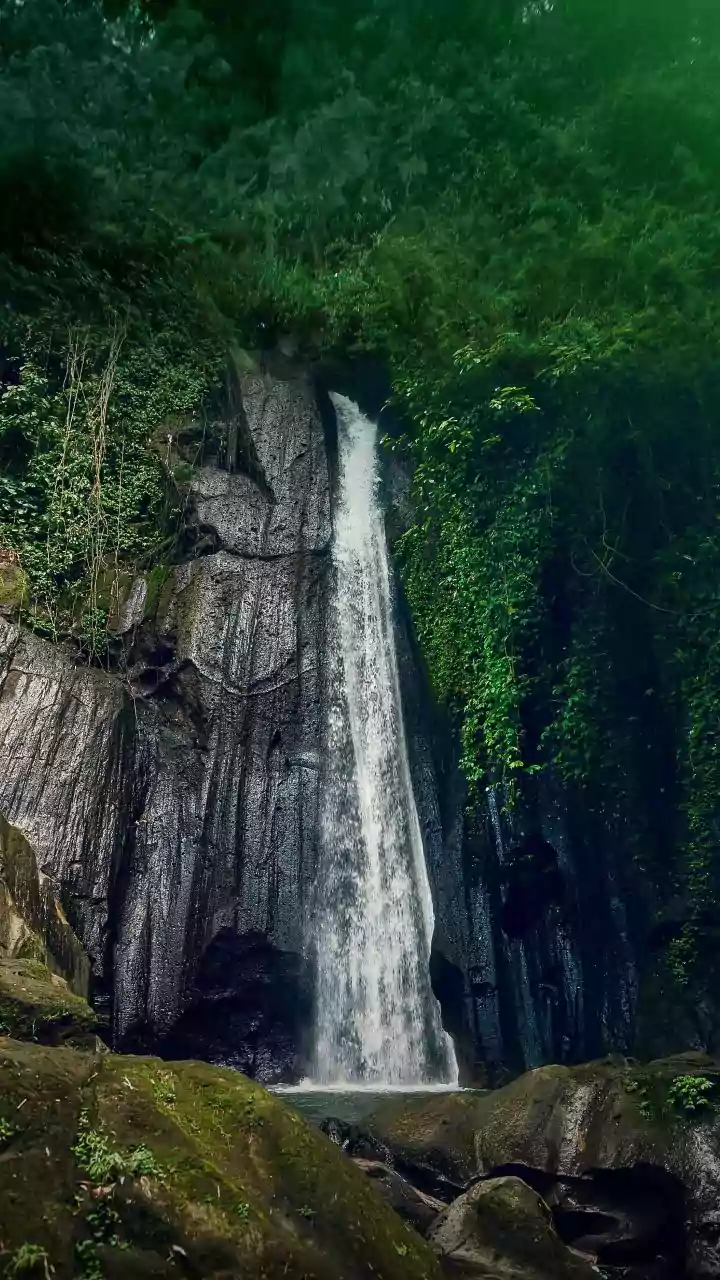
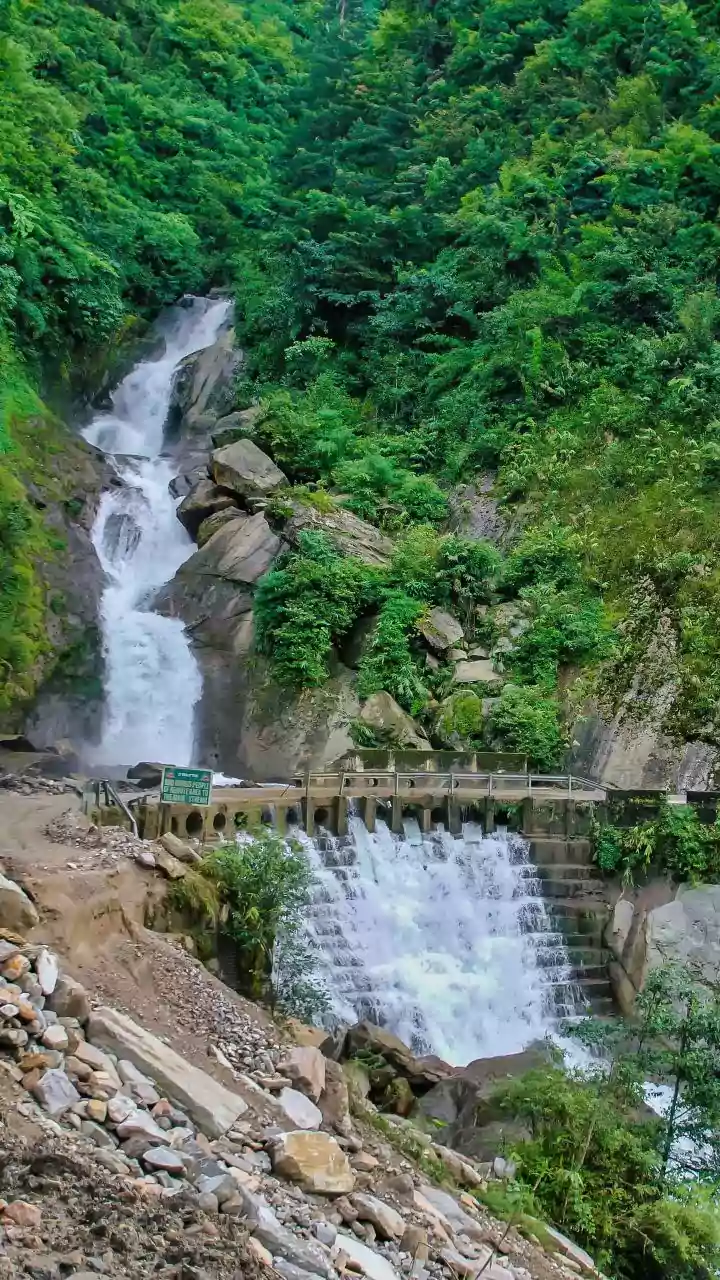

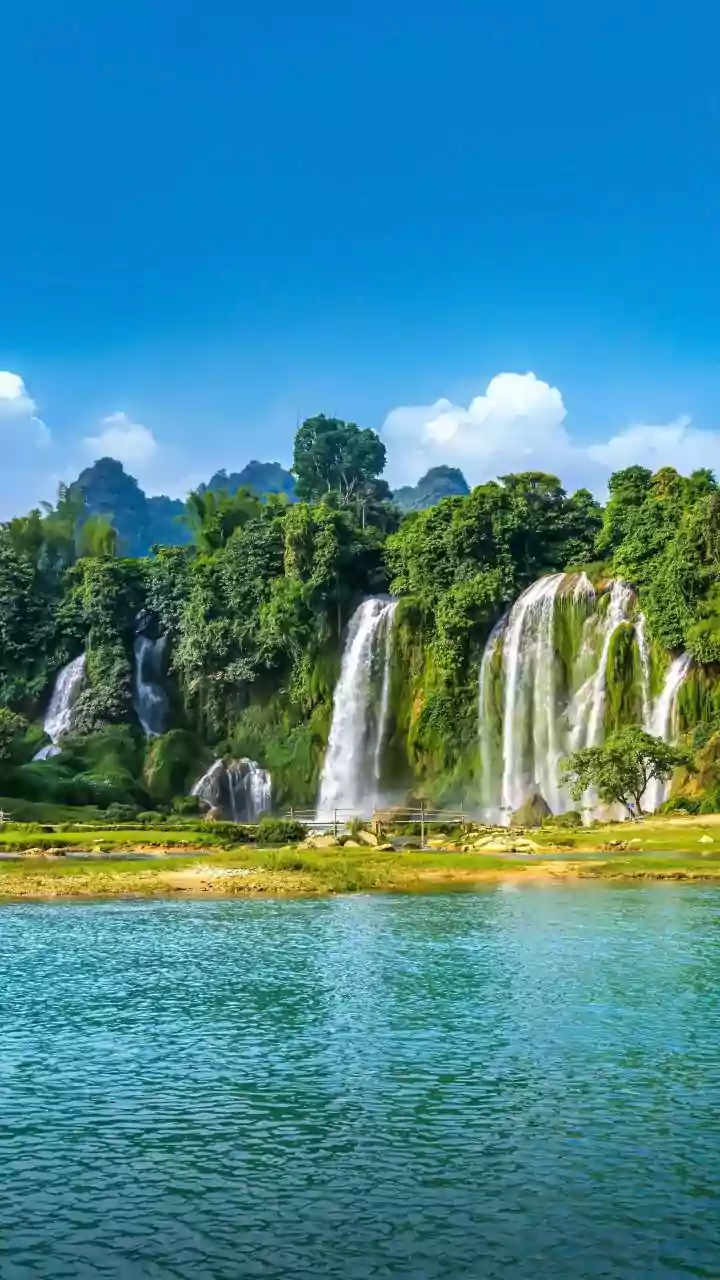
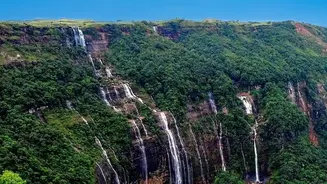
Forget the monsoon crowds. As the rains recede, Meghalaya unveils its most magical self. Autumn is the perfect, offbeat window to explore Sohra’s lush landscapes, roaring waterfalls, and ancient living root bridges under clear, crisp skies.
Why Autumn is Sohra’s Secret Season
From October
to November, Sohra (formerly Cherrapunji) sheds its monsoon veil to reveal a landscape of impossible green bathed in gentle sunlight. This post-monsoon period is arguably the best time to visit. The weather is cool and pleasant, making it ideal for the trekking and exploring required to see the region's best sights. The waterfalls, still fed by the season's rains, are majestic and full-flowing, but the trails are safer and drier than during the treacherous monsoon. This season offers the perfect blend of dramatic natural beauty and comfortable travel conditions, with fewer tourists to crowd the views.
Chasing Post-Monsoon Waterfalls
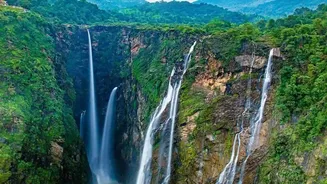
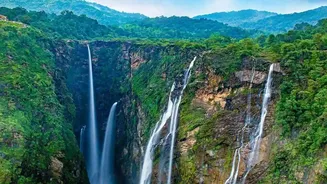
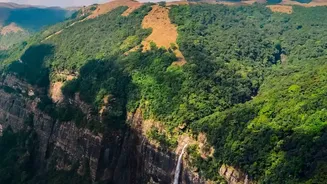
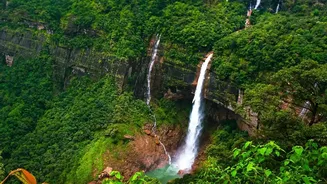
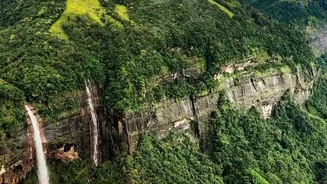
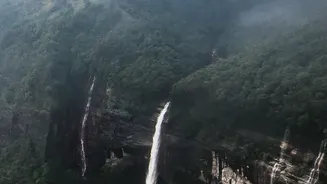
Sohra is legendary for its waterfalls, and autumn is a prime time to witness their power. While the famous Seven Sisters Falls (Nohsngithiang Falls) and India's tallest plunge waterfall, Nohkalikai Falls, are essential stops, autumn's clear weather offers unobstructed views and incredible photo opportunities. For a more offbeat experience, seek out the Dainthlen Falls, a stunning cascade tied to local Khasi folklore about a slain serpent. Another gem is the Wei Sawdong Falls, a breathtaking three-tiered waterfall tucked away in the forest that requires a bit of a trek but rewards visitors with its serene, turquoise pools.
Trekking to the Living Root Bridges
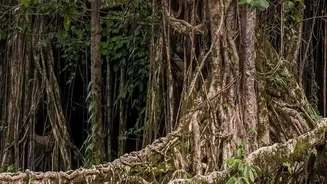
No trip to Meghalaya is complete without marveling at the living root bridges, a testament to the ingenuity of the Khasi people. The most famous is the Umshiang Double-Decker Root Bridge in Nongriat village, an incredible structure grown and guided over centuries. Reaching it involves a strenuous but rewarding trek of over 3,000 stone steps down from Tyrna village. The journey is an adventure through dense forests and across swaying suspension bridges, culminating in the awe-inspiring sight of the two-tiered, moss-covered bridge. For those seeking quieter trails, several other single-decker root bridges can be found in surrounding villages like Nongthymmai and Mynteng.
Exploring Subterranean Worlds
Meghalaya's landscape is not just defined by what's above ground. The region is dotted with some of India's longest and most intricate cave systems. While Mawsmai Cave is the most popular and well-lit option for tourists, the Arwah Cave offers a more rugged adventure for those willing to go off the beaten path. A scenic trail leads to its entrance, and inside, explorers can find a labyrinth of passages, fascinating limestone formations, and even ancient crustacean and fish fossils embedded in the rock walls. These subterranean wonders provide a different perspective on the region's unique geology.
Practical Tips for Your Autumn Trip
The main entry point to Meghalaya is Guwahati's airport in Assam, followed by a 4-5 hour drive to Sohra. Shillong's airport is closer but has fewer connections. Taxis and shared Sumos are readily available for the scenic journey from Shillong to Sohra, which takes about two hours. It's best to base yourself in Sohra for easy access to the waterfalls and root bridge treks. While autumn days are pleasant, evenings can be cool, so pack layers and a light jacket. A raincoat or umbrella is also wise for occasional showers. Many remote villages have limited digital payment options, so carrying sufficient cash is recommended.