



The End of an Instant Era?
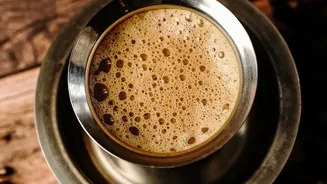
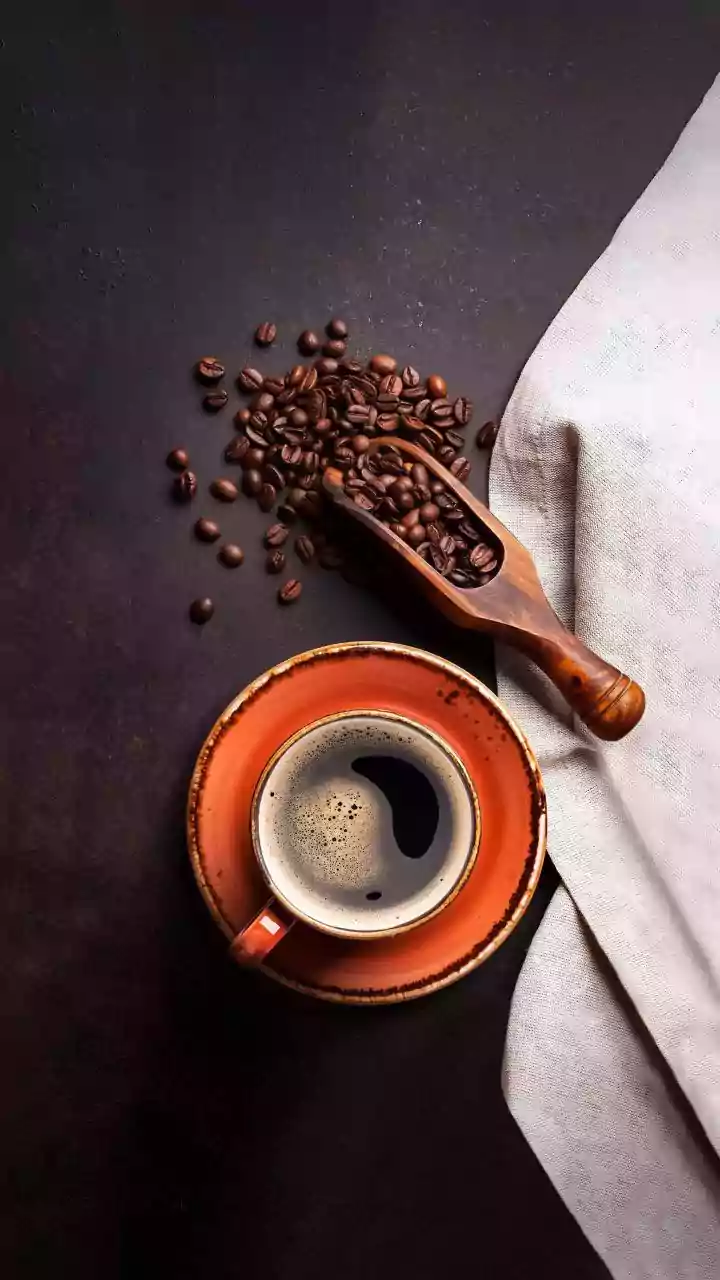
For many Indian households, the morning ritual has long been synonymous with a quick, frothy cup of instant coffee. It was the taste of hurried mornings, late-night study sessions, and comforting familiarity. While traditional filter kaapi has its own
stronghold, particularly in the south, instant coffee captured the national imagination with its promise of speed and ease. However, this dominance is now being challenged. A new generation of consumers, primarily Millennials and Gen Z, is looking beyond the granule jar. They are seeking a more elevated and intentional experience, driving a significant shift in the country's coffee culture. This isn't just about a change in beverage preference; it's a reflection of a broader cultural movement towards authenticity and mindful consumption.
What is Single-Origin Coffee?
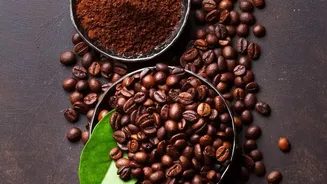
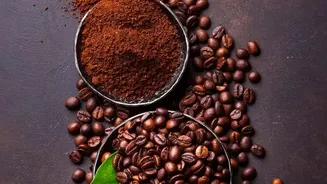
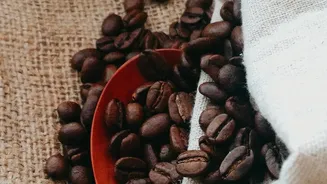
The term 'single-origin' is at the heart of this new wave. Unlike blends, which combine beans from various locations to create a consistent flavour profile, single-origin coffee comes from a specific geographical location—often a single farm or estate. This traceability is key. It allows the unique characteristics of the 'terroir'—the soil, climate, and altitude of that specific place—to shine through in the final cup. Think of it like wine; a Merlot from France tastes different from one from California, and the same principle applies to coffee. This approach transforms coffee from a generic commodity into an artisanal product, where consumers can explore distinct flavour notes, whether it's the chocolatey depth of a bean from Chikmagalur or the spicy, fruity notes from a Coorg estate.
The South Indian Coffee Trail
While India is a top global coffee producer, much of its highest-quality beans were historically destined for export. Now, that's changing as local demand surges. The country's coffee heritage is primarily rooted in the lush hills of the Western Ghats in South India. Regions like Coorg and Chikmagalur in Karnataka, Wayanad in Kerala, and the Shevaroy Hills in Tamil Nadu are the epicentres of this movement. These estates, some with legacies stretching back to the 19th century, are now gaining recognition at home. Roasters and brands are working directly with these farms, highlighting their unique stories and processing methods, from traditional washed processes to more experimental fermentations that create complex and surprising flavours. This allows consumers to connect directly with the land and the farmers behind their daily brew.
A Search for Authenticity and Experience
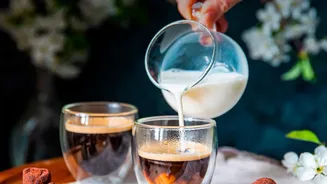
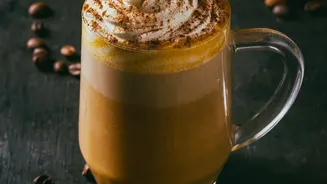
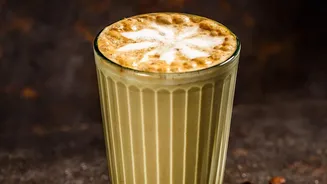
So, what’s driving this shift? For young Indians, the appeal of specialty coffee goes far beyond taste. It's a lifestyle statement. In an age of mass production, there's a growing desire for products with a story. Knowing where their coffee comes from, who grew it, and the journey it took from bean to cup provides a sense of connection and transparency. The café culture has also played a massive role, acting as an educational ground where baristas introduce concepts like pour-overs and Aeropresses. Furthermore, social media has turned a well-made cup of coffee into an aesthetic goal, with latte art and minimalist brewing setups becoming popular content. It's about the entire ritual—the grinding of the beans, the deliberate process of brewing, and the final, satisfying sip.
From Bean to Cup at Home
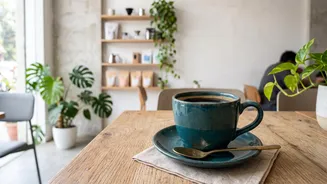
This coffee revolution isn't just happening in trendy cafes. The pandemic accelerated a boom in home brewing, with a new generation of enthusiasts investing in equipment like French presses, pour-over kits, and even small espresso machines. This has been fueled by the rise of Indian direct-to-consumer (D2C) brands. Companies like Blue Tokai, Third Wave Coffee, and Sleepy Owl have made freshly roasted, high-quality Indian coffee accessible nationwide through online subscriptions and e-commerce. They ship beans within days of roasting, ensuring maximum freshness and flavour—a world away from a jar that has been sitting on a shelf for months. This has empowered consumers to recreate a cafe-quality experience in their own kitchens, experimenting with different beans and brewing methods to find their perfect cup.