


A new alert from the U.S. National Oceanic and Atmospheric Administration (NOAA) confirms the 2026 El Niño is intensifying. This isn't just distant weather news; it has significant implications for India's economy and daily life.
What Exactly Is El Niño?
El Niño, which means 'the
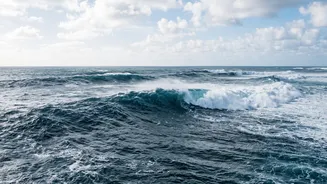
little boy' in Spanish, is a climate pattern defined by the unusual warming of surface waters in the central and eastern equatorial Pacific Ocean. This phenomenon occurs every two to seven years and typically lasts for nine to 12 months. Normally, strong trade winds blow from east to west, pushing warm surface water towards Asia and Australia. During an El Niño, these winds weaken or even reverse. This allows the massive pool of warm water to slosh back eastward, toward the coast of South America. This shift in ocean heat is so vast that it alters global atmospheric circulation, changing weather patterns worldwide, including those that govern India's crucial monsoon.
What 'Strengthening' Means
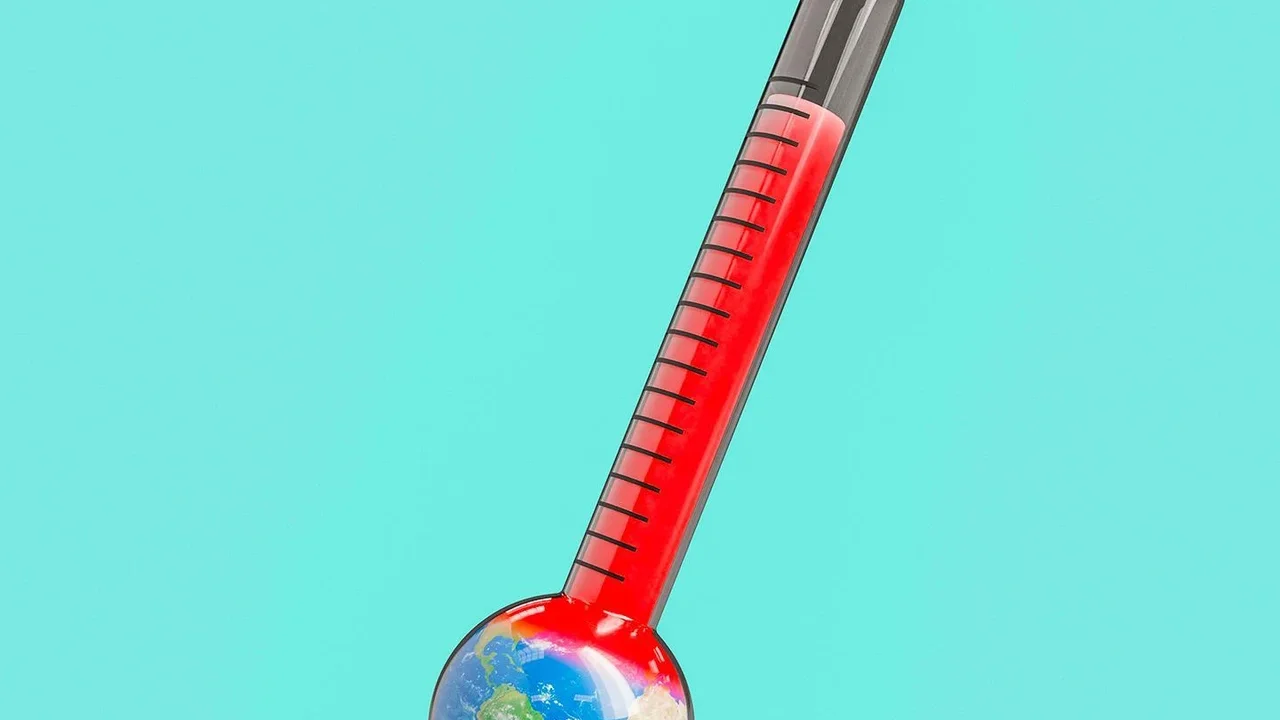
When forecasters say an El Niño is 'strengthening', they are referring to a measurable increase in sea surface temperatures above the long-term average in a key region of the Pacific. NOAA declares an El Niño when temperatures are at least 0.5°C above average, but a 'strong' or 'very strong' event sees these anomalies climb much higher, exceeding 1.5°C or even 2.0°C for a sustained period. A stronger El Niño doesn't just mean a warmer patch of ocean; it means the atmosphere responds more forcefully, increasing the likelihood of significant disruptions to global weather. The current event is already being classified as strong and is expected to persist through the Northern Hemisphere's winter into early 2027.
The Critical Monsoon Connection
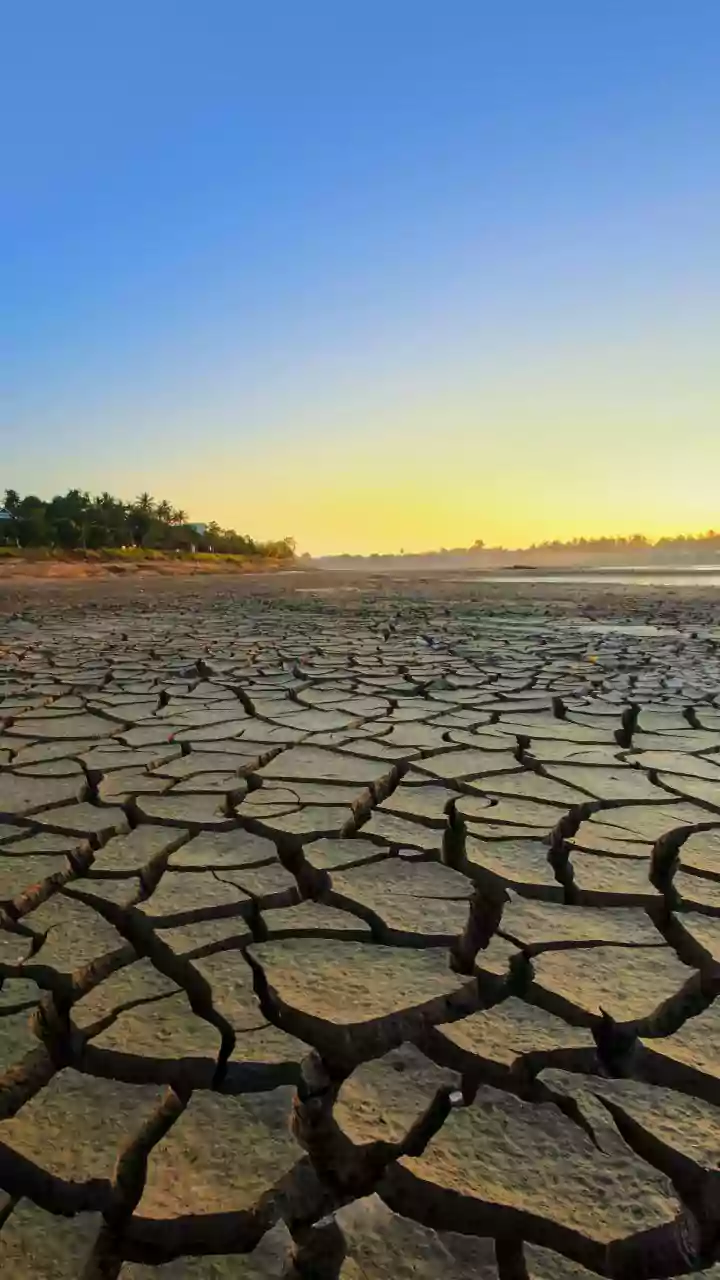
For India, El Niño's most significant impact is its well-documented tendency to suppress the southwest monsoon. Roughly 70% of India's annual rainfall occurs during this season, underpinning the nation's agriculture, filling reservoirs, and recharging groundwater. El Niño weakens the monsoon by altering the large-scale air circulation pattern known as the Walker Circulation. This shift causes air to sink over the Indian subcontinent, which inhibits cloud formation and reduces rainfall. While not every El Niño year results in a drought, there is a strong correlation. A recent study even suggests this link is getting stronger due to climate change, with an El Niño of a given intensity projected to cause greater rainfall deficits in the future. The 2026 monsoon has already seen deficient rainfall, a pattern consistent with El Niño's influence.
Impacts on Agriculture and the Economy
The ripple effects of a weakened monsoon are felt across the Indian economy. Agriculture, which is highly dependent on monsoon rains, is the first and most direct casualty. Deficient rainfall during the kharif (summer) sowing season affects major crops like rice, pulses, soybeans, and cotton, leading to lower yields and potential food price inflation. Water stress also impacts the following rabi (winter) crop, as poor monsoon performance leaves reservoirs at lower levels, constraining irrigation. The economic strain extends to the livestock sector, with fodder shortages and rising costs for dairy farmers. This can translate into reduced rural incomes and a slowdown in the broader economy, as lower agricultural output affects everything from consumer spending to industrial raw material supply.
A Warmer, More Unpredictable Winter?
El Niño's influence doesn't stop with the summer monsoon. It can also shape India's winter weather. Strong El Niño events are often associated with warmer-than-normal winters across much of the country. Furthermore, recent forecasts for the winter of 2026-27 suggest a complex picture. A report covering the Hindu Kush Himalaya region predicts above-average temperatures and heavier-than-normal snowfall and precipitation in parts of the western Himalayas, including northern India. This could increase the risk of avalanches and landslides in mountainous areas, even while southern India might experience drier conditions. These altered winter patterns can affect everything from water budgets for the following year, which depend on snowmelt, to the rabi crop yields sensitive to temperature fluctuations.