




The Soul of the Monsoon
For centuries, Karkidakam (mid-July to mid-August) has been a time for rest and rejuvenation in Kerala. Ayurveda identifies this period as one of weakened digestive fire ('Agni') and lowered immunity, making the body susceptible to illness. The answer
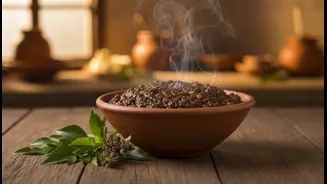
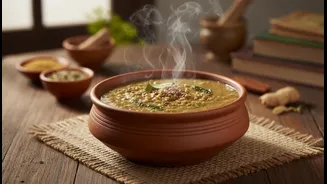
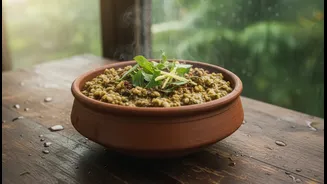
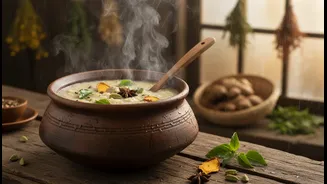
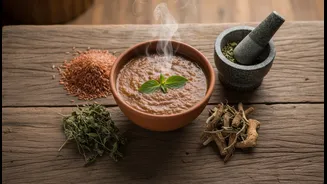
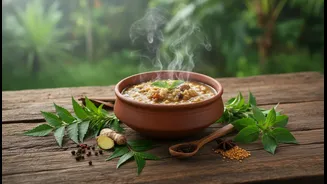
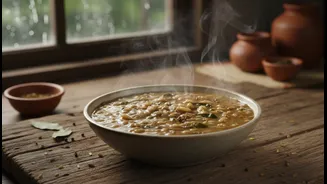
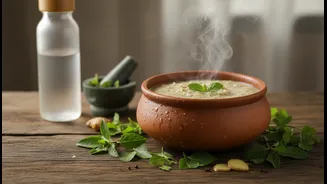
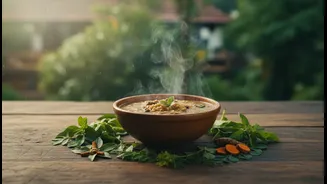
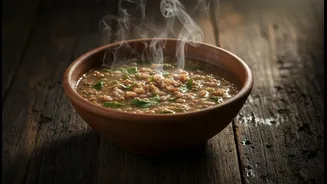
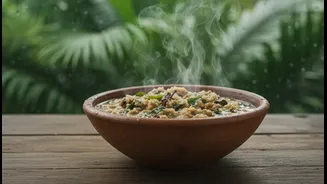
was not medicine in a modern sense, but food as medicine: Karkidaka Kanji. Also known as Oushadha Kanji (medicated porridge), this gruel is traditionally made with Njavara rice, a medicinal variety native to Kerala, and a host of herbs and spices like fenugreek, cumin, and dry ginger. Its purpose is specific: to boost immunity, aid digestion, and gently detoxify the body to prepare it for the year ahead. It’s a practice steeped in the wisdom of living in harmony with the seasons.
From Pantry to Packet
Once, the preparation of Karkidaka Kanji was a household ritual. Ingredients were sourced locally, sometimes foraged from the backyard, and the recipe was passed down through generations. Today, the reality of modern life has led to a significant shift. The time and knowledge required to prepare the kanji from scratch are luxuries many no longer have. This has paved the way for the rise of commercial Karkidaka Kanji kits. Available in supermarkets and online, these ready-to-cook packets promise convenience, containing pre-portioned Njavara rice and sachets of powdered herbs. While these kits make the tradition accessible to a wider, urban audience, they also spark debate. Purists argue that the freshness and therapeutic integrity of freshly ground herbs are lost, and the one-size-fits-all formula misses the nuance of traditional preparations, which were often customized.
A Superfood for the World?
As global wellness circles increasingly look towards ancient traditions for modern solutions, Karkidaka Kanji is finding new life as a 'superfood'. It is being marketed for its gut-healing, anti-inflammatory, and detoxifying properties, appealing to a health-conscious global consumer. This growing interest has propelled it onto the menus of wellness retreats and the shelves of e-commerce stores far beyond Kerala. The question, however, is one of context. When removed from its Ayurvedic setting—the specific timing of Karkidakam, the holistic lifestyle adjustments, and the understanding of 'dosha' imbalances—does Karkidaka Kanji become just another wellness trend? There are concerns that this decontextualization, while commercially successful, may strip the practice of its deeper meaning and efficacy.
Science, Tradition, and the Modern Palate
The health benefits long attributed to Karkidaka Kanji are now being explored through a scientific lens. Studies on its individual ingredients confirm many of the traditional claims. For example, fenugreek is known for its anti-inflammatory properties and ability to support blood sugar balance, while ginger and cumin are proven digestive aids. Njavara rice itself is recognized for its nutritional value and is often recommended for convalescing patients. This convergence of ancient wisdom and modern validation gives the tradition new credibility. At the same time, younger generations are reinterpreting the porridge, sometimes adapting the flavour to modern palates while staying true to its core principles. This evolution is a sign of a living tradition, one that is adapting rather than disappearing.