







1. Radical Authenticity and Transparency
For Generation Z, authenticity is not a buzzword; it's a baseline expectation. This generation has grown up online, giving them an almost innate ability to detect when a brand is being performative or insincere. They want to see the real people and processes
behind the products they buy. This means ditching overly polished marketing in favour of behind-the-scenes content, unfiltered reviews, and genuine brand storytelling. A YouGov study found that 61% of Gen Z consumers consider trust crucial when choosing a brand. They are quick to call out brands that make empty promises, especially regarding social causes. A rainbow logo during Pride Month is meaningless if the company's actions don't back it up. In India, this translates to a demand for brands with clear values and a willingness to be transparent about everything from sourcing to labour practices.
2. The 'Phygital' Imperative
While they are digital natives, Gen Z hasn't abandoned physical stores; they're just using them differently. The new expectation is a seamless 'phygital' experience—a blend of the physical and digital worlds. For example, a shopper might discover a product on Instagram, use an augmented reality (AR) feature to 'try it on' at home, and then go to a physical store to touch, feel, and purchase it. In India, despite high smartphone penetration, a staggering 80% of Gen Z still prefer in-store shopping for apparel to get the tactile experience and instant gratification. However, they expect the in-store experience to be digitally enhanced. This could mean interactive displays, app-based content, or social spaces like cafes that turn shopping from a transaction into a community experience.
3. Sustainability is Non-Negotiable
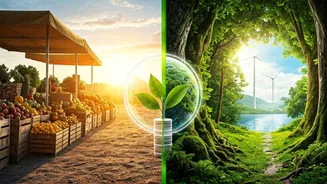
Gen Z doesn't just want eco-friendly products; they demand that sustainability be woven into a brand's entire operation. This generation actively researches a company's environmental impact before making a purchase. They are willing to pay more for products from brands that are genuinely committed to ethical sourcing, minimal waste, and environmental preservation. One study found that 73% of Gen Z consumers are willing to pay more for sustainable products. In India, 47.5% of Gen Z are willing to pay a premium for luxury goods with sustainable practices. This means 'greenwashing'—making misleading claims about environmental benefits—is quickly spotted and called out. Brands must be prepared to show, not just tell, their commitment to the planet.
4. The Age of Instant Gratification and Hyper-Personalisation
Growing up with on-demand services has hardwired Gen Z to expect speed and convenience. Sixty percent will abandon a slow or hard-to-navigate website. In India, the rise of quick commerce for essentials is now shaping expectations for other categories, including fashion. But it's not just about speed; it's about being seen and understood. Gen Z expects hyper-personalisation. They are no longer searching for generic terms like 'T-shirt' but for trend-specific styles like 'oversized streetwear' or 'Korean-inspired fashion'. They expect brands to use AI and data to offer tailored recommendations, customised products, and two-way conversations that make them feel valued as individuals.
5. Value Beyond the Brand Name
Unlike previous generations who might have shown strong brand loyalty, Gen Z is more fluid. Their loyalty is earned, not assumed. They are abandoning mass-market international brands in favour of homegrown Indian startups that offer better value, unique designs, and a stronger connection to their values. This cohort is not against brands, but they prioritise product quality and value over a famous logo. They are masters of finding the best deals, hunting for coupons, and are open to store brands, dupes, and second-hand items. For brands, this means loyalty can't be taken for granted; it must be continuously won by providing real value and aligning with what this powerful generation cares about.