


What is This New System?
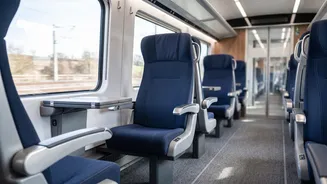
Indian Railways is rolling out a QR code-based system across its network to modernise how cleaning and housekeeping are managed on long-distance trains. This initiative is part of the On-Board Housekeeping Service (OBHS), which aims to ensure a clean and hygienic
environment for passengers throughout their journey. Instead of relying on manual complaint registers and intermittent supervision, the new system creates a digital trail for every cleaning request and feedback report. This digital-first approach is designed to tackle passenger complaints more efficiently and ensure that housekeeping staff are accountable for their duties in real-time.
How It Works For Passengers
For passengers, the process is designed to be simple and accessible. Inside the coaches of designated trains, you will find QR code stickers placed in easily visible spots, such as near the doors or inside the toilets. If you find an area that needs cleaning, you simply scan the QR code with your smartphone. This will open a web portal where you can select the type of service required—be it a dirty washroom, a dusty berth, or waste that needs clearing. You then submit the request, which is instantly logged into the system with your coach and berth number. This empowers passengers to directly flag issues as they arise, without having to search for a TTE or cleaning staff.
Behind the Scenes: A Digital Loop
Once a passenger logs a request, a notification is sent to the mobile device of the OBHS supervisor on the train. The supervisor then assigns the task to the nearest housekeeping staff member. After the cleaning is completed, the staff member marks the task as finished within their own app, often requiring them to take a photo of the cleaned area as proof. This 'before and after' digital record is crucial for verification. In some cases, a one-time password (OTP) is sent to the passenger who raised the complaint to confirm that the service has been satisfactorily completed. This closes the loop and prevents cases from being marked as resolved without proper action.
From Paper Trails to Real-Time Dashboards
The real innovation lies in the data and accountability. All this information—passenger requests, staff responses, time taken, and feedback—is fed into a centralized dashboard. Railway officials at the divisional and zonal levels can monitor this dashboard in real-time. They can see which trains are receiving the most complaints, how quickly issues are being resolved, and which contractors or staff members are underperforming. This data-driven approach allows for immediate intervention when service quality drops. It’s a significant leap from the previous paper-based system, which was slow, prone to manipulation, and offered little in the way of effective oversight.
Will It Actually Make Trains Cleaner?
While the technology is a powerful tool, its success depends on consistent implementation and adoption. The system is currently available on many premium and long-distance trains like the Rajdhani, Shatabdi, Duronto, and Humsafar Express, with plans for a wider rollout. The primary challenge is ensuring that the system works seamlessly everywhere, from network connectivity inside a moving train to ensuring all staff are properly trained. However, by making the entire process transparent and placing a feedback tool directly in the hands of passengers, Indian Railways is making a clear statement. It is shifting the focus towards a more responsive and passenger-centric service model, where accountability is no longer optional but built into the very fabric of the system.