


The Sun’s Turbulent Nature
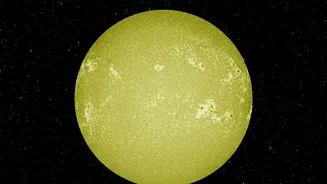
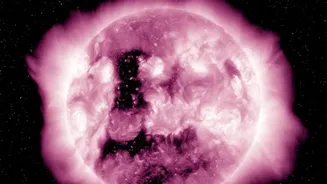
The Sun is not a placid ball of fire. It's a dynamic star with a complex magnetic field that sometimes unleashes tremendous explosions of energy. Two major types of events cause concern: solar flares and coronal mass ejections (CMEs). A solar flare is an intense
burst of radiation that can travel to Earth at the speed of light, arriving in just over eight minutes. CMEs are even more powerful; they are colossal eruptions of plasma and magnetic fields from the Sun's outer atmosphere, the corona. These clouds of magnetised particles can contain billions of tons of matter and travel through space at speeds up to thousands of kilometres per second, taking anywhere from 15 hours to several days to reach Earth.
Why Solar Storms Are a Threat
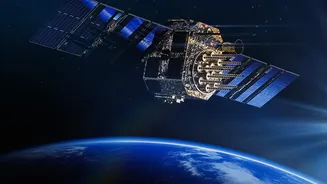
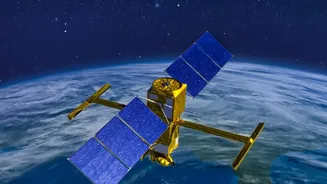
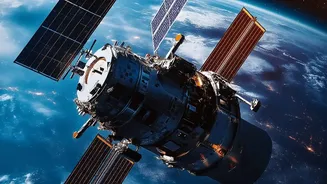
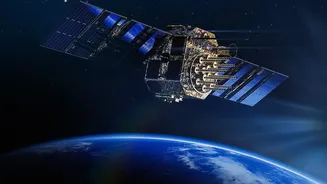
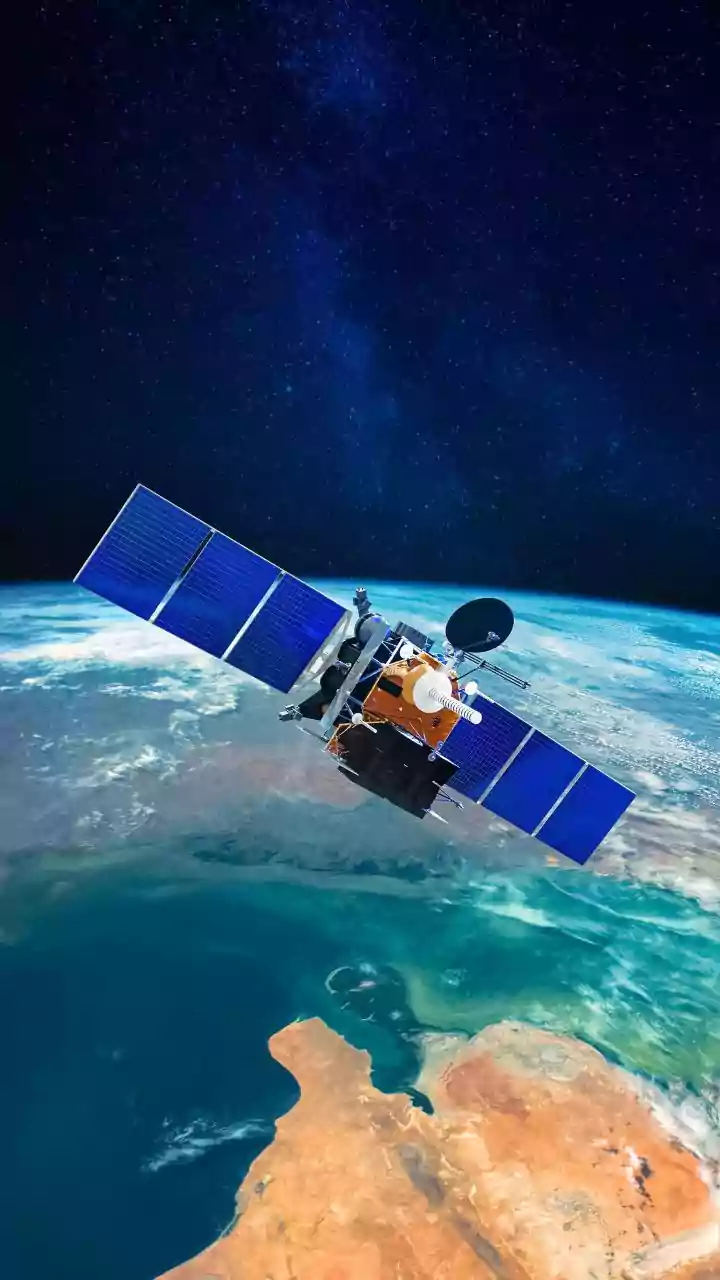
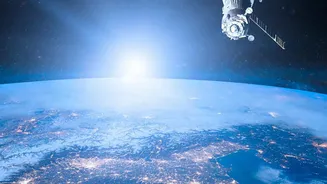
When a CME or the radiation from a flare interacts with Earth's magnetic field, it can cause a geomagnetic storm. These storms are beautiful—they create the stunning auroras—but they can be devastating to our technology. The influx of charged particles can damage the electronics on satellites, degrade their solar panels, and even increase atmospheric drag, causing them to lose altitude and fall out of orbit. This disrupts GPS navigation, satellite communications, and weather forecasting. On the ground, geomagnetic storms can induce powerful electrical currents in long conductors like power lines and pipelines. These geomagnetically induced currents (GICs) can overload electrical grids, damage high-voltage transformers, and lead to widespread blackouts, as famously occurred in Quebec in 1989.
An Observatory in the Sky
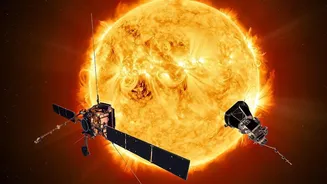
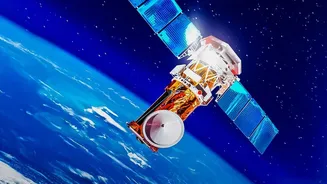
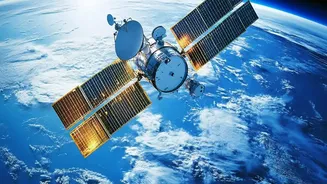
Because the danger is real, a global network of eyes constantly watches the Sun. The first line of defence comes from space-based observatories. Spacecraft are strategically placed at a location called Lagrange Point 1 (L1), a point of gravitational stability about 1.5 million kilometres from Earth in the direction of the Sun. From this vantage point, satellites get an uninterrupted view of solar activity. These observatories, operated by agencies like NASA and NOAA, use instruments called coronagraphs to block out the Sun's bright face and observe the fainter corona, allowing them to spot CMEs as they erupt. They also carry sensors to measure the solar wind—the constant stream of particles flowing from the Sun.
India’s Critical Role: Aditya-L1
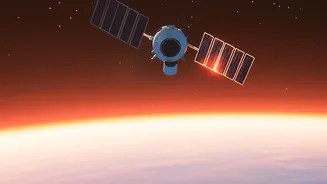
India has become a key player in this global effort with its first dedicated solar observatory, Aditya-L1. Launched by the Indian Space Research Organisation (ISRO), Aditya-L1 is also positioned at the L1 point. It carries seven advanced payloads designed to study the Sun's atmosphere, from the visible surface (photosphere) to the superheated corona. Its instruments continuously observe solar dynamics, helping to understand the physics behind CMEs and flares. By providing crucial data from this strategic location, Aditya-L1 enhances our global space weather monitoring capabilities and improves our ability to forecast potentially hazardous events, safeguarding both Indian and global assets.
From Warning to Action
Data from space and ground-based observatories streams to forecasting centres like NOAA's Space Weather Prediction Center (SWPC) in the United States. There, scientists analyse the data, run it through predictive models, and issue alerts, watches, and warnings, much like meteorologists do for hurricanes. A satellite at the L1 point can give us a heads-up of about 20 to 60 minutes before a fast-moving CME hits Earth. This may not sound like much, but it's enough time for power grid operators to take protective measures to stabilise their networks, for satellite operators to put their spacecraft into a safe mode, and for airlines to reroute flights away from polar regions where radiation exposure is higher. It’s a race against time, where every minute of warning helps mitigate disaster.