




The End of Food Guilt
For years, the festive season has been a battleground between indulgence and discipline. This “all-or-nothing” approach often leads to cycles of overeating followed by guilt and restrictive dieting. But a cultural shift is underway. Nutritionists and health
experts are now championing a more balanced and compassionate mindset. The new philosophy is simple: there is no need to label foods as 'good' or 'bad'. Instead, the focus is on mindful indulgence, where you can enjoy your favourite treats in moderation without derailing your health goals. This approach acknowledges that food is a central part of celebration and connection, and that occasional treats are a normal part of a balanced lifestyle. The goal is to savour the experience, not to create stress around eating.
Small Swaps, Big Impact
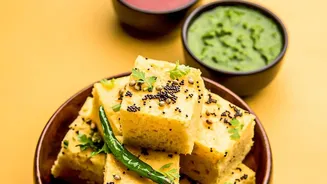
One of the easiest ways to give festive food a nutritional reset is by making small, smart substitutions in traditional recipes. For instance, instead of deep-frying snacks like gujiyas or samosas, try baking or air-frying them for a lighter alternative. When it comes to sweets, you can make a significant difference by swapping refined white sugar with natural sweeteners like jaggery, dates, or raw honey, which also add their own unique flavours. Similarly, using whole wheat flour, millet flour (like ragi), or oat flour instead of refined maida can boost the fibre content of everything from laddoos to cakes. Even the choice of fat matters; using ghee or coconut oil in moderation is often preferred over refined vegetable oils.
Your Superpower: Portion Control
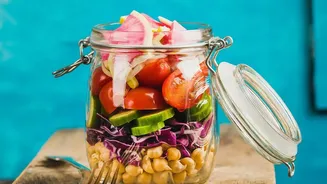
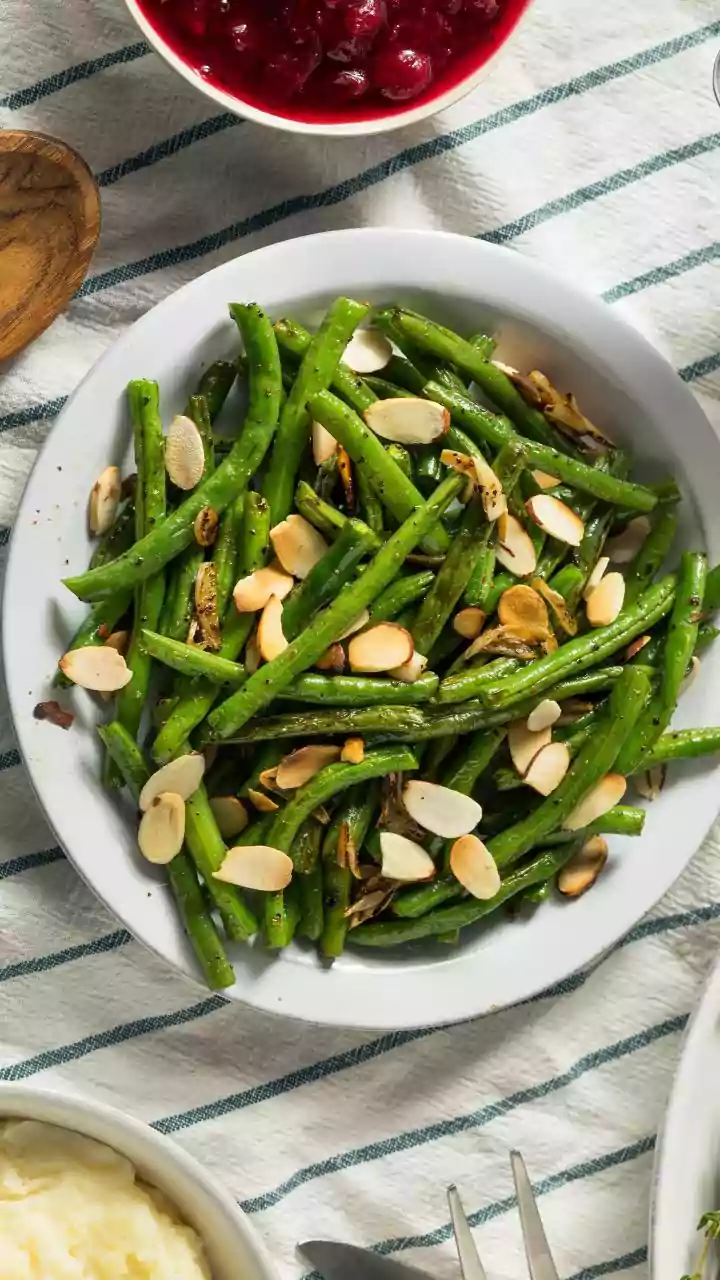
The idea of a nutrition reset isn’t about what you eat, but how much. Portion control is a powerful tool that allows you to enjoy a variety of festive foods without overdoing it. Using smaller plates can be a simple psychological trick to help manage serving sizes. When it comes to sweets, you can enjoy a bite-sized piece of your favourite mithai instead of several. Another effective strategy is the 'plate method': fill half your plate with vegetables or a salad, a quarter with a protein source like dal or paneer, and the final quarter with carbohydrates like rice or roti. This ensures you get essential nutrients and feel full, reducing the temptation to overindulge in richer dishes.
Mindful Eating Meets Festive Feasting
In the midst of social gatherings and excitement, it's easy to eat without paying attention. Mindful eating is the practice of being fully present with your food. Before taking a second helping, pause and ask yourself if you're truly hungry or just caught up in the moment. Eating slowly and savouring each bite—noticing the flavours, textures, and aromas—can increase satisfaction and help your brain register when you are full. It is also important not to skip meals earlier in the day to 'save' calories for a big feast, as this often backfires and leads to overeating. Having a small, healthy snack beforehand can curb extreme hunger.
The Rise of Healthier Alternatives
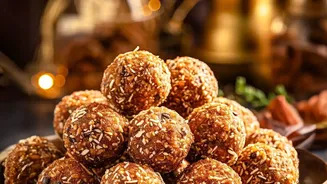
This shift in mindset is also reflected in the market, with a growing availability of healthier festive options. Many brands now offer sweets and snacks made with natural ingredients and less sugar. Nutritious desserts like dry fruit laddoos, date-and-nut barfis, and millet-based kheers are becoming popular choices. These alternatives are often sweetened with dates or jaggery and are packed with the goodness of nuts, seeds, and whole grains. Making sweets at home is another great way to control the quality of ingredients and the amount of sugar and fat used. This allows you to create treats that are both delicious and aligned with a more balanced approach to festive eating.