


A World Without Weather
On Earth, our world is in a constant state of flux. Wind scours stone, rain carves canyons, and ice shatters rock. This process, known as erosion, is driven by our planet’s atmosphere and water cycle. It’s the reason ancient ruins crumble and coastlines
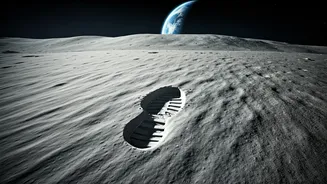
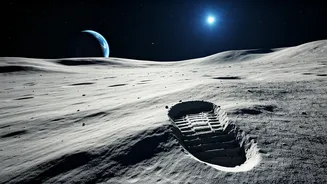
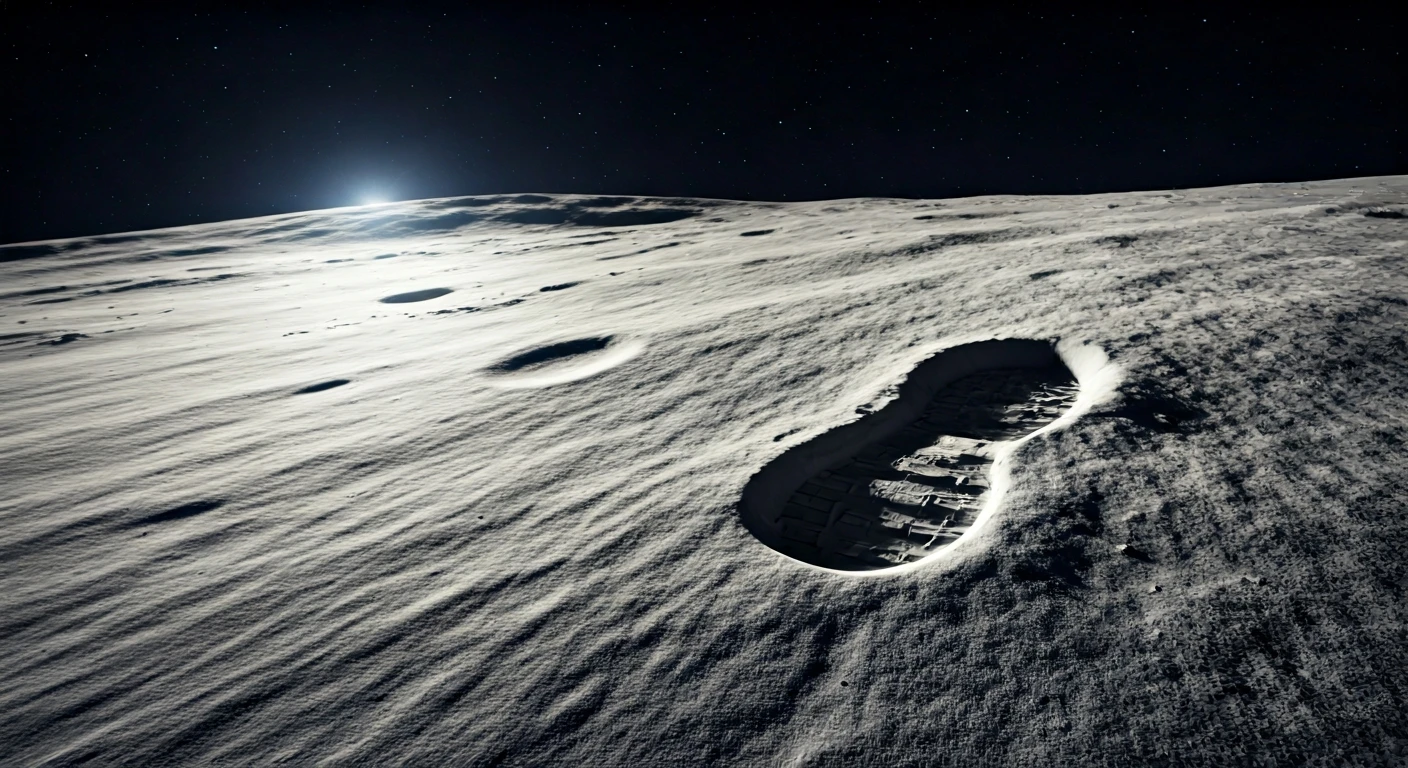
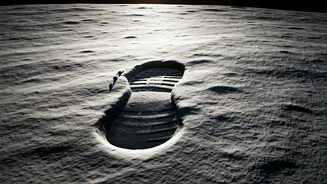
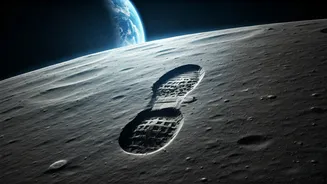
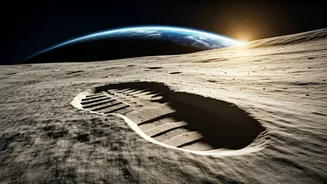
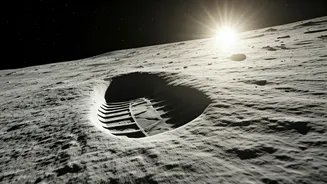
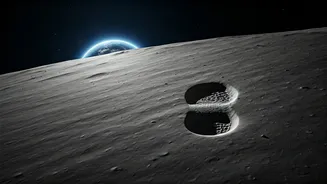
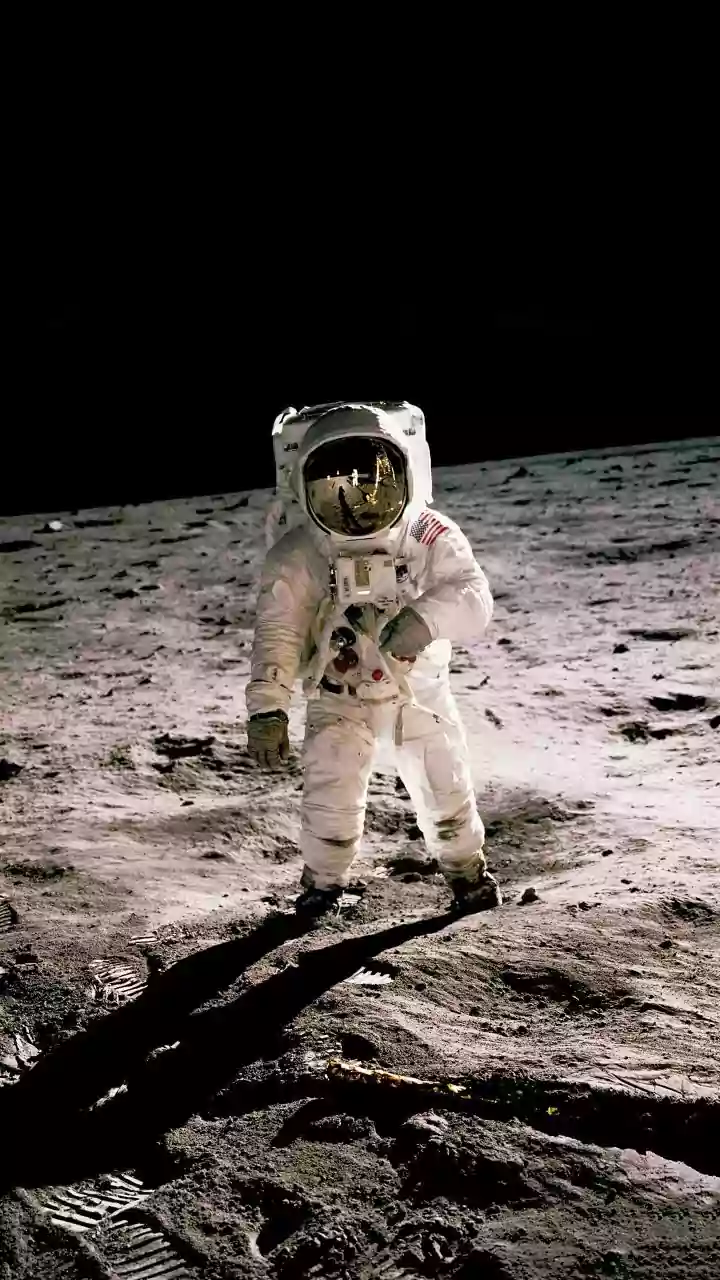
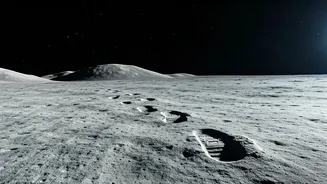
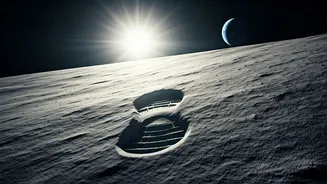
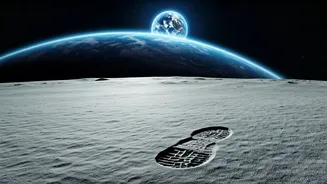
shift. Without constant maintenance, our cities would be unrecognisable in a few thousand years, and completely gone in a few hundred thousand. The Moon, however, has virtually no atmosphere. It’s a vacuum. This means there is no wind to blow away dust, no rain to wash away tracks, and no blizzards to bury them. The iconic footprints left by Neil Armstrong and Buzz Aldrin in 1969 are not just preserved; they are frozen in a state of near-perfect stillness. The boot tread, the texture of the lunar soil (regolith) compressed beneath it—it’s all there, exactly as it was decades ago.
The Slow Grind of Space
This doesn't mean the Moon is entirely static. While it lacks terrestrial weather, it has its own form of erosion, albeit on a vastly slower timescale. The primary forces at play are micrometeorite impacts and solar radiation. The lunar surface is constantly bombarded by tiny particles of space dust, typically no larger than a grain of sand. Each tiny impact kicks up a minuscule amount of regolith, a process sometimes called "lunar gardening."
This cosmic sandblasting is incredibly slow. Scientists at NASA estimate that it erodes the lunar surface at a rate of about 1 millimetre every million years. At that pace, the Apollo footprints, which are a few centimetres deep, are expected to remain visible for millions of years. They will slowly soften and lose their sharp edges, but they won't be erased. They will outlast the Himalayas, which are being actively eroded and pushed up by tectonic forces.
Earth's Relentless Eraser
Contrast this with the forces on Earth. A city like Delhi or Kolkata, if abandoned, would face an immediate onslaught. Within years, vegetation would crack pavements and building foundations. Water damage would lead to structural collapse within decades. Metal would rust, wood would rot, and concrete would crumble. Within centuries, the city would be a collection of ruins, and within a few millennia, it would be largely swallowed by the landscape, buried under soil and forest.
Even our most durable creations are fleeting. The Pyramids of Giza have survived for 4,500 years thanks to a dry climate and massive stone construction, but they are visibly worn by wind and sand. Plate tectonics, the very engine of our planet’s geology, ensures that no landform is permanent. Continents drift, mountains rise and fall, and coastlines are redrawn over millions of years—the same timeframe in which the lunar footprints will remain largely intact.
Humanity's First Off-World Museum
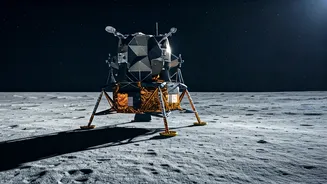
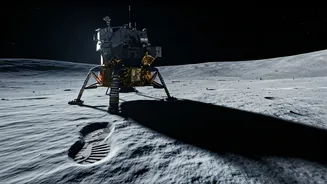
Because of this unique preservative quality, the Apollo landing sites are considered humanity's first off-world heritage sites. They are not just collections of footprints, but time capsules containing rovers, scientific instruments, flags, and even personal items left behind by the astronauts. These artefacts are a physical record of one of humanity's greatest achievements.
Organisations like For All Moonkind, Inc. are working to have these sites recognised and protected under international law, similar to UNESCO World Heritage Sites on Earth. As nations and private companies plan new missions to the Moon, there's a growing awareness of the need to protect these historic locations from accidental damage. They represent a shared human legacy, preserved by the vacuum of space, waiting silently for future generations to visit.