






More Than Just a Morning Stretch
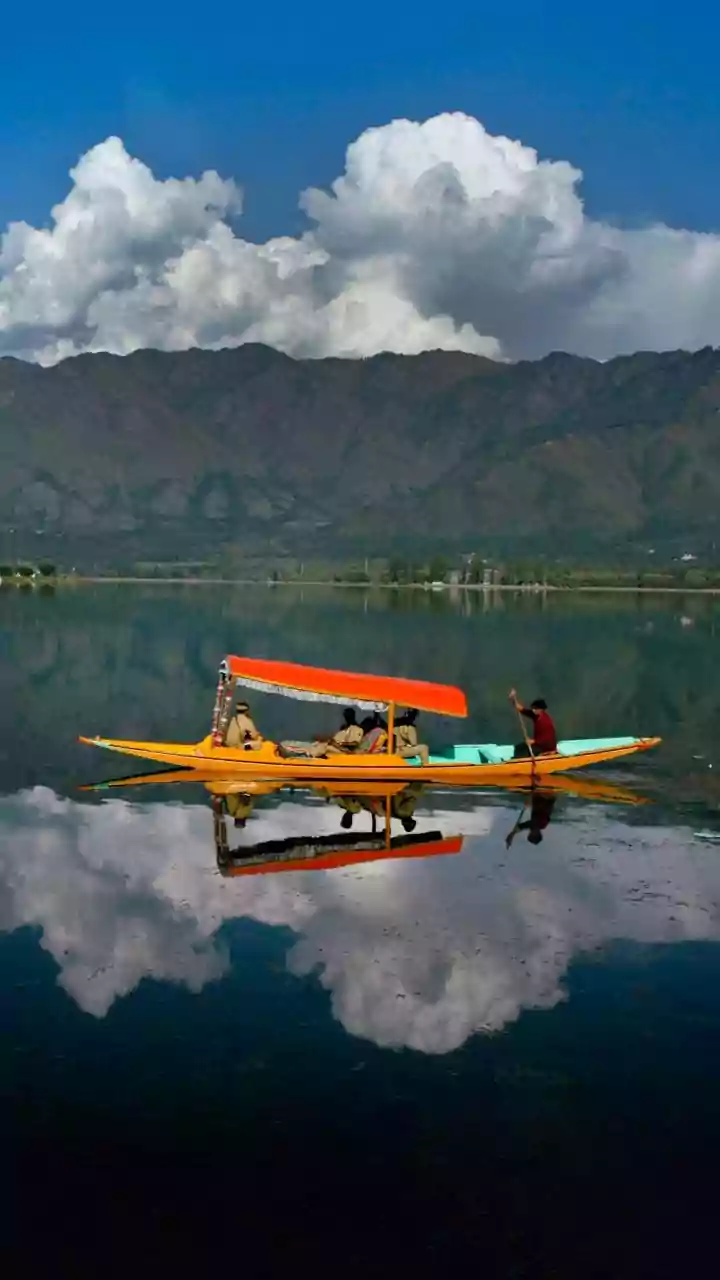
Every year on June 21st, India transforms into a vast, open-air yoga studio. From the serene backdrop of Srinagar's Dal Lake, where the Prime Minister often leads the main event, to the sprawling grounds of India Gate in Delhi and the sun-drenched beaches
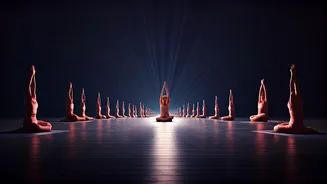
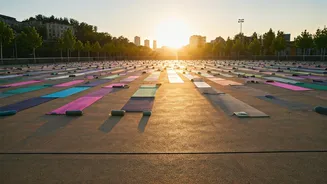
of Chennai, the scale is breathtaking. Schoolchildren, soldiers, corporate employees, and senior citizens participate in synchronised sessions, creating a powerful visual of collective action. This is not a niche wellness trend; it is a state-sanctioned, nationally celebrated festival of health. The 'fever' isn't just about the physical practice but the sheer spectacle of a nation moving in unison, broadcast live across news channels and amplified on social media.
From Ancient Roots to a Global Stage
The establishment of International Day of Yoga is a relatively recent phenomenon, and a masterstroke of Indian cultural diplomacy. In 2014, Prime Minister Narendra Modi proposed the idea during his address to the UN General Assembly. He argued that yoga, an invaluable gift of India's ancient tradition, embodies the unity of mind and body and offers a holistic approach to health and well-being. The proposal received unprecedented support, with a record 177 member states co-sponsoring the resolution. The declaration cemented yoga's Indian origins on the world stage and transformed it into a powerful tool of soft power—a way for India to project an image of peace, heritage, and global leadership without flexing military or economic muscle.
The Modern Wellness Connection
While Yoga Day has official patronage, its explosive popularity is also fueled by a global shift towards wellness and mindfulness. In a world grappling with stress and sedentary lifestyles, yoga's appeal is universal. In India, this has dovetailed with a booming wellness industry. Yoga is no longer confined to ashrams; it's in chic urban studios, corporate wellness programs, and on-demand fitness apps. International Day of Yoga acts as an annual supercharger for this ecosystem. It provides a focal point for brands, influencers, and wellness entrepreneurs, while reminding millions of everyday citizens of the accessible benefits of the practice, whether it’s through a government-organised camp or a free YouTube tutorial.
A Practice for a Billion People
Beyond the geopolitics and commerce, Yoga Day resonates because it taps into a deep-seated element of national pride. For many, it represents a reclamation and celebration of an indigenous heritage that has been enthusiastically adopted by the world. The day is framed as a secular, unifying event that transcends religion, region, and class. Organisers emphasise that yoga is not a religious ritual but a science of well-being, accessible to anyone regardless of their faith or fitness level. While debates around its historical and religious contexts persist in some circles, for the vast majority of participants, the day is simply about health, community, and connecting with a practice that feels both profoundly Indian and globally relevant.