



A Landscape Crafted by Gods and Geology
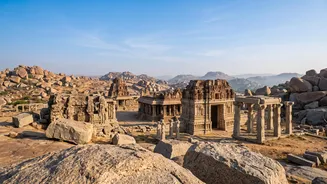
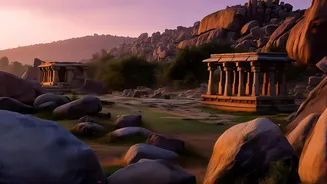
The first thing that strikes you about Hampi is its otherworldly terrain. Vast stretches are covered in heaps of giant, rust-coloured granite boulders, some balancing precariously as if placed by a playful giant. Geologists explain that this is one of the oldest
exposed surfaces on Earth, sculpted over billions of years not by volcanoes, but by erosion that weathered away softer rock, leaving these massive 'inselbergs' behind. Local mythology, however, attributes the dramatic scenery to the epic Ramayana, suggesting this was Kishkindha, the monkey kingdom, and the boulders were thrown during great battles. This blend of scientific wonder and mythic storytelling makes exploring Hampi feel like walking through a fantasy world.
Walking Through a Living Empire
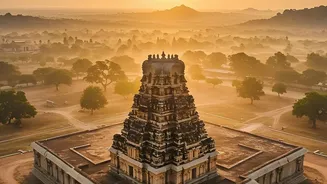
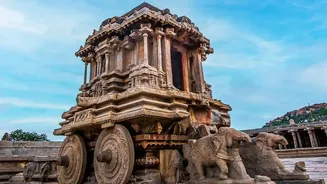
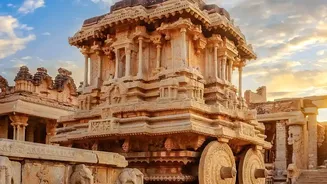
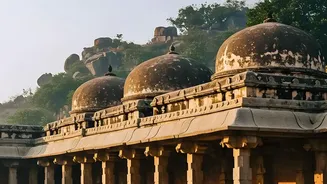
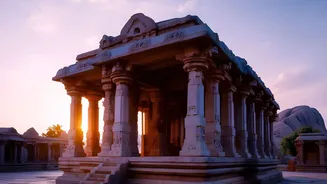
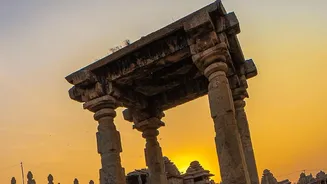
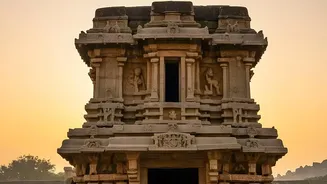
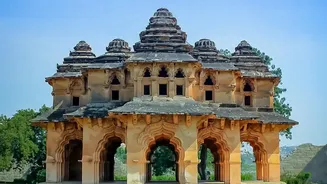
Hampi isn’t a sterile museum; it’s the sprawling, open-air remains of the 14th-century Vijayanagara Empire, once one of the wealthiest cities in the world. You can spend a weekend wandering through its ruins, which include grand palaces, royal enclosures, and bustling market streets. The star attractions are its magnificent temples. The Virupaksha Temple, dedicated to Lord Shiva, has been an active place of worship since the 7th century, its towering gopuram a constant presence in the skyline. Then there's the Vijaya Vittala Temple, an architectural masterpiece famous for its iconic stone chariot and musical pillars that were said to produce notes when tapped. Exploring these sites feels like stepping back in time.
The Two Sides of the River
A short boat ride across the Tungabhadra River reveals a completely different side of Hampi. The main town, with its sacred temples, maintains a spiritual and historical atmosphere where alcohol and non-vegetarian food are prohibited. Across the river, in the area historically known as Virupapur Gaddi or 'Hippie Island', the vibe shifts to something more relaxed and bohemian. While a 2020 court order led to the demolition of many guesthouses and cafes directly on the island, the laid-back spirit has since moved to nearby villages like Sanapur and Anegundi. Here, you'll find chilled-out cafes, yoga retreats, and a hub for backpackers and boulderers, offering a peaceful contrast to the monumental scale of the heritage sites.
Adventures on the Tungabhadra
The Tungabhadra River is the lifeline of Hampi, winding its way through the boulder-strewn landscape. One of the most unique experiences here is a ride in a coracle, a traditional round boat made of woven bamboo. These boats, used for centuries, offer a serene way to see the ruins from a different perspective. Gliding past ancient temples, lush banana plantations, and towering boulders as the boatman gently paddles is a tranquil experience. For a truly magical moment, take a ride at sunset. As the sky turns golden and reflects on the water, the entire landscape is bathed in a warm glow, creating an unforgettable memory.
Perfectly Packaged for a Weekend
What makes Hampi especially appealing is its accessibility for a short break. It is conveniently located for an overnight journey from cities like Bangalore, roughly a 350 km drive that takes about six to seven hours. Regular train and bus services to the nearby town of Hospet (about 13 km away) make it easy to reach. Two or three days are enough to cover the main highlights without feeling rushed. You can dedicate a day to the historical monuments, another to exploring the relaxed riverside villages, and still have time for a sunrise hike up Matanga Hill for panoramic views. This combination of easy planning and diverse experiences makes Hampi a truly distinctive and rewarding short-break destination.