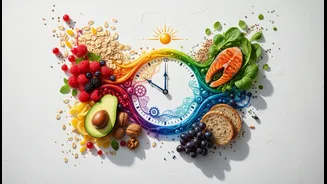









What is Chrononutrition?
At its core, chrononutrition is the science of synchronising your food intake with your body's internal 24-hour clock, known as the circadian rhythm. This internal clock doesn't just manage your sleep-wake cycle; it also orchestrates a huge range of bodily
functions, including hormone production, digestion, and metabolism. The guiding principle is that our bodies are primed to process food more efficiently at certain times of the day. By aligning our eating patterns with these natural peaks and troughs, we can potentially improve metabolic health, manage weight more effectively, and boost overall energy levels. This approach moves beyond calorie counting to focus on timing, frequency, and consistency as key pillars of a healthy diet.
The Circadian Connection
Our metabolism isn't a constant, smouldering fire; it fluctuates significantly over a 24-hour period. Research shows that during the day, when we are typically active and exposed to light, our bodies are more sensitive to insulin and more efficient at digesting food and burning calories. As evening approaches and our brains prepare for sleep by producing melatonin, our digestive systems and metabolic rates naturally slow down. Eating a large meal late at night can work against this rhythm. It forces the body to digest when it’s trying to rest, which can lead to poorer sleep, inefficient nutrient processing, and a higher likelihood of storing those calories as fat.
Making Lunch the Main Event
The logic of chrononutrition points directly to making lunch the most substantial meal of the day. Consuming the bulk of your daily calories at midday, when your metabolism is at its peak, has several purported benefits. Studies suggest that front-loading calories can lead to greater weight loss compared to eating a heavy dinner, even when total calorie intake is the same. Other potential advantages include improved insulin sensitivity, which is crucial for preventing type 2 diabetes, and better energy levels throughout the afternoon, helping to avoid the dreaded post-work slump. A lighter dinner, eaten at least a few hours before bed, can then support better sleep quality and digestive health.
A Generational Shift in Wellness
This approach resonates strongly with a younger, health-conscious generation in India that is increasingly proactive about wellness. This demographic is often more attuned to concepts like holistic health and bio-hacking, viewing the body as a system to be optimised. With lifestyle-related conditions like obesity, diabetes, and hypertension appearing at younger ages in India, there is a growing urgency to find sustainable health strategies. Chrononutrition offers a framework that feels less restrictive than traditional diets. Instead of demonising certain foods, it empowers individuals with knowledge about their own biology, allowing them to work with their body, not against it. This focus on smart, science-backed habits over strict deprivation is a powerful draw for youth navigating the pressures of modern life.