




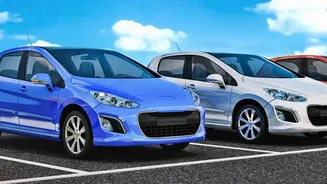
Why Your Dream Car Costs More in 2026
Several major automakers in India, including Maruti Suzuki, Hyundai, and Tata Motors, have announced price hikes leading into the festive period. Tata Motors, for instance, will increase prices by up to ₹25,000 from September 1, while Hyundai plans a hike of
up to 1%. These aren't isolated moves; they follow a series of price revisions throughout the year. The reasons are complex, stemming from a mix of pressures. Manufacturers consistently cite rising input and commodity costs, such as steel and precious metals, as a primary driver. On top of this, sustained inflationary pressures, higher operating expenses, and geopolitical uncertainties are squeezing company margins, forcing them to pass a portion of the burden to customers. For imported or premium models, factors like rupee depreciation and escalating logistics costs also play a significant role.
The Impact on Your Budget
A price hike of ₹25,000 or 1% might not sound dramatic, but it adds up, especially when considering the on-road price, which includes insurance and registration. For a car priced at ₹10 lakh, a 1% increase means an immediate ₹10,000 bump in the ex-showroom price. This directly affects your total loan amount if you're financing the purchase. With car loan interest rates from major banks hovering between 8.6% and 9.7%, even a small increase in the principal can lead to a higher Equated Monthly Instalment (EMI) or a longer repayment tenure. Banks typically finance 80% to 90% of the on-road price, though some offer up to 100% based on your credit profile. A higher sticker price means a larger down payment or a bigger loan, stretching your finances further over the coming years.
Will Festive Discounts Save the Day?
Traditionally, the festive season is synonymous with attractive discounts, freebies, and special offers as brands compete for customers. However, with manufacturers already struggling with profitability, the generous deals of past years might be less common. This doesn't mean discounts will disappear entirely. Experts suggest that automakers will likely focus on model-specific offers, financing schemes, or exchange bonuses to attract buyers without slashing prices across the board. The balancing act for companies is to protect their margins while still converting the strong festive demand. Buyers may need to be more flexible, perhaps considering last year's models, less popular variants, or leveraging exchange and corporate bonuses to find value.
Strategies for the Smart Buyer
In this market, a smart approach is essential. First, do your homework on financing. Compare interest rates from multiple banks, as they can vary significantly. A good CIBIL score (750 or above) is crucial to securing the most favourable rates. Second, be open to different options. While new car launches are exciting, outgoing models often come with clearance discounts. The pre-owned market is another avenue, as new luxury launches often lead to a supply of well-maintained, 1-to-2-year-old cars from owners who are upgrading. Finally, consider booking early. With strong demand and potential supply constraints, waiting until the last minute could mean longer delivery times or missing out on your preferred model and colour.
Should You Buy Now or Wait?
This is the ultimate question for many prospective buyers. Buying now, even at a higher price, secures a vehicle during the auspicious festive period, which includes dates like Dhanteras (November 8, 2026) and Diwali (November 10, 2026), considered ideal for major purchases. Waiting could mean facing further price hikes, as the cost pressures on automakers are unlikely to vanish overnight. However, some analysts predict that demand growth might moderate in the latter half of the financial year, which could potentially lead to better inventory levels and stronger discounts in early 2027 to clear stock. The decision hinges on your personal priorities: the cultural significance of a festive purchase versus the potential for future savings. There is no one-size-fits-all answer, but being informed about the market dynamics is your best tool for making the right choice.