





The Great Indoors Gets a Warm Makeover
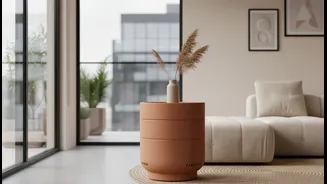
Step inside a newly designed urban Indian apartment today, and you might feel a distinct change in the atmosphere. The cool, almost clinical perfection of high-gloss surfaces and stark white walls is giving way to something softer and more grounded. After
a long embrace of minimalism, which dominated the design scene for much of the last decade, Indians are bringing earthy, natural textures back home. This pivot isn't just about aesthetics; it's a reaction to our increasingly digital lives. Designers suggest that as our work and social interactions moved online, people began craving a home environment that felt more tactile, calming, and authentic. The search for wellness and a slower pace of life has led us away from sterile, showroom-like interiors and towards spaces that feel lived-in and nurturing.
Why Wood, and Why Now?
The return to wood is deeply connected to a desire for both comfort and cultural identity. Wood, a cornerstone of traditional Indian architecture from the carved havelis of Rajasthan to the sturdy homes of Kerala, evokes a sense of heritage and timelessness. In a modern context, using wood is a way to connect with these roots while creating a contemporary space. Furthermore, there is a growing appreciation for sustainability. Materials like reclaimed wood, bamboo, and cane are not just trendy but are also eco-friendly choices. This conscious consumerism aligns with a global movement towards more thoughtful living. Wood is a natural insulator, helping to keep homes cooler in the summer and warmer in the winter, which is a practical benefit in the varied Indian climate.
Japandi: A Global Trend with an Indian Soul
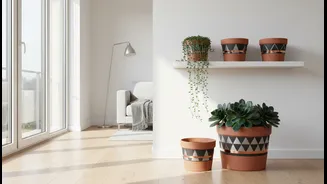
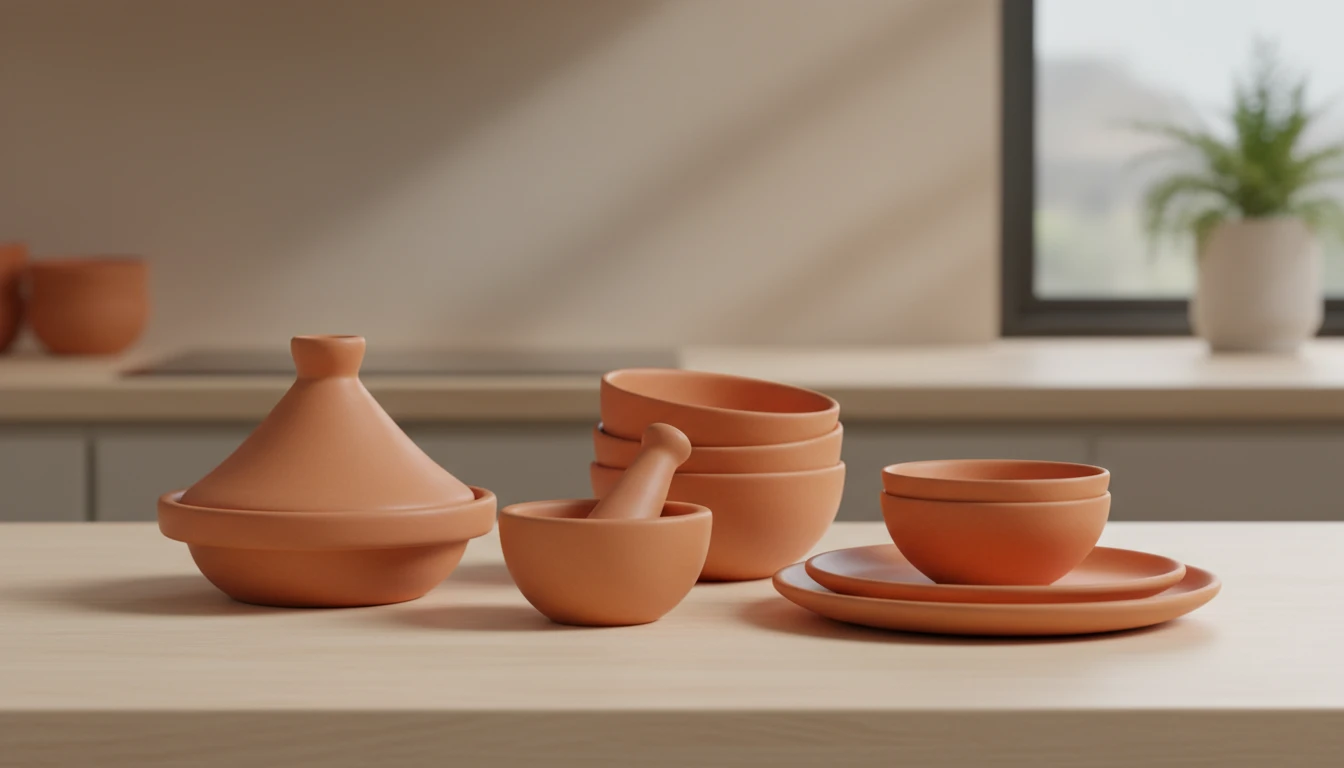
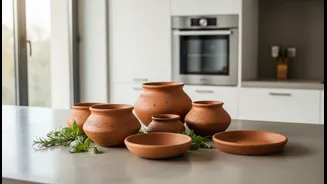
This trend isn't happening in a vacuum. It’s influenced by global phenomena like 'Japandi' design—a hybrid of Japanese Wabi-Sabi and Scandinavian Hygge. Japandi champions natural materials, finds beauty in imperfection, and prioritises a cosy, functional lifestyle. This philosophy resonates deeply in India, where handcrafted items and heirloom furniture have always been valued. Indian designers are adapting Japandi by pairing clean, modern lines with local materials and crafts. Imagine a low-profile teak wood bed with hand-block printed linen, or a simple dining table adorned with imperfect, handmade pottery. It’s a minimal look, but one that’s warm, personal, and rich with story.
More Than Just Dark Polish
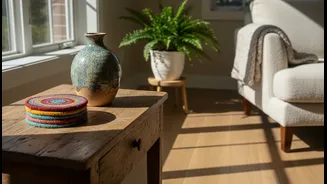
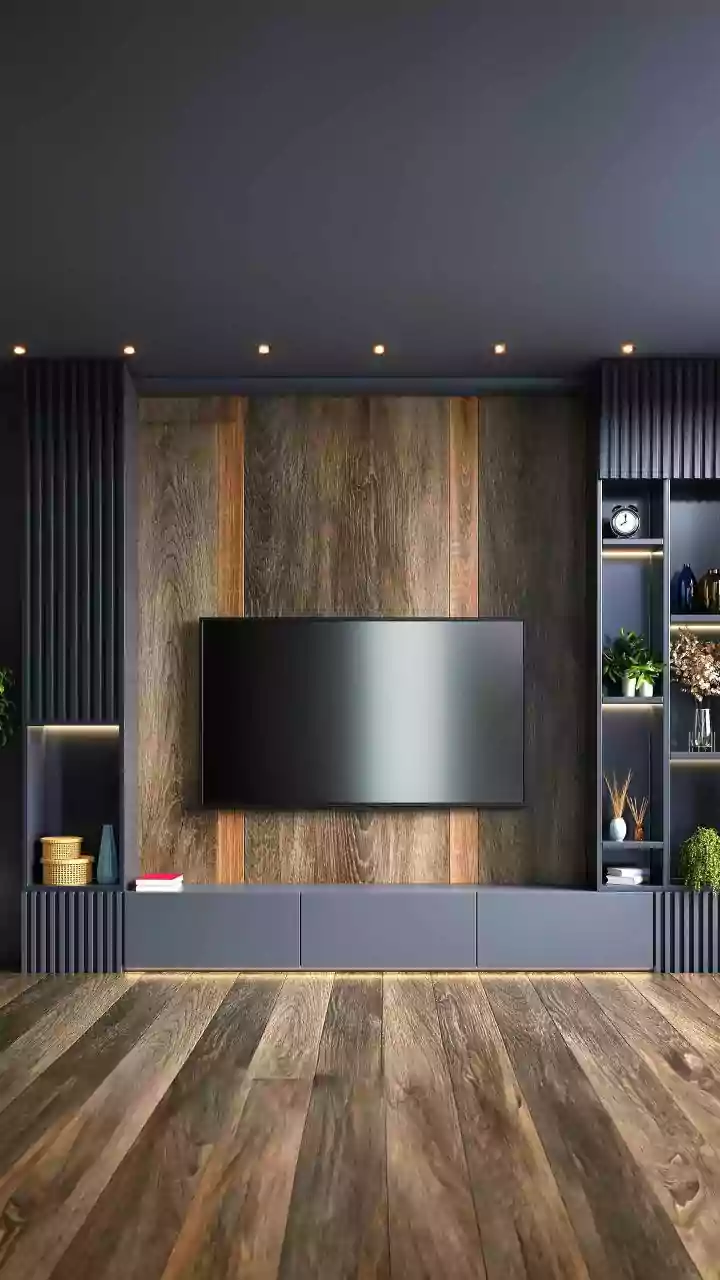
The new wave of wood in Indian homes is diverse and sophisticated. It moves beyond the heavily polished, dark rosewood or teak furniture that once defined 'traditional' decor. Today, the palette includes lighter woods like oak and ash, as well as the rustic charm of unfinished or raw wood. Finishes are often matte, oiled, or distressed to highlight the natural grain and character of the material. This appreciation for 'honest' materials is also seen in the popularity of live-edge tables, where the natural edge of the wood is left intact. These pieces serve as functional art, bringing a powerful, organic statement into a room. The key is celebrating the material's inherent texture and beauty, rather than masking it.
Bringing the Warmth Home
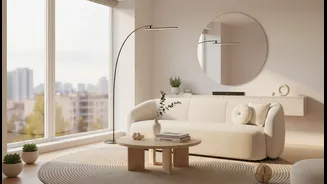
Incorporating this trend doesn't require a complete overhaul. You can start small by introducing wooden decor elements like trays, bowls, or sculptural objects. A single piece of statement furniture, like a beautifully crafted console or a comfortable armchair with wooden legs, can anchor a room. Consider pairing wood with other natural materials like jute, rattan, linen, and stone to create a layered, textural look. In the living room, a jute rug under a wooden coffee table can instantly add warmth. In the bedroom, switching to linen curtains and adding a cane-backed chair creates a serene retreat. The goal is to build a space that feels balanced, calm, and deeply connected to nature.