




Looking for a home refresh that costs absolutely nothing? The answer might be sitting on your shelves. This popular design trick uses your existing book collection to create a stunning visual feature, turning cluttered shelves into a curated display.
The Allure of the Aesthetic Shelf
The trend of organizing books by colour or height has taken social media by storm, and for good reason. At its core, it’s about treating books not just as vessels of information, but as decorative objects in their own right. An artfully arranged bookshelf can become the focal point of a room, transforming it from simple storage into a deliberate design statement. Proponents argue that this method instantly reduces visual clutter. Instead of a chaotic jumble of varied spines, fonts, and sizes, the eye reads a cohesive block of colour, which can feel calming and intentional. For many, especially visual thinkers, it's also a surprisingly intuitive way to remember where a book is; they recall the colour of the cover more readily than the author's name. This approach celebrates the beauty of books as physical objects, giving them a new life as part of your home’s decor.
Creating Your Bookshelf Rainbow
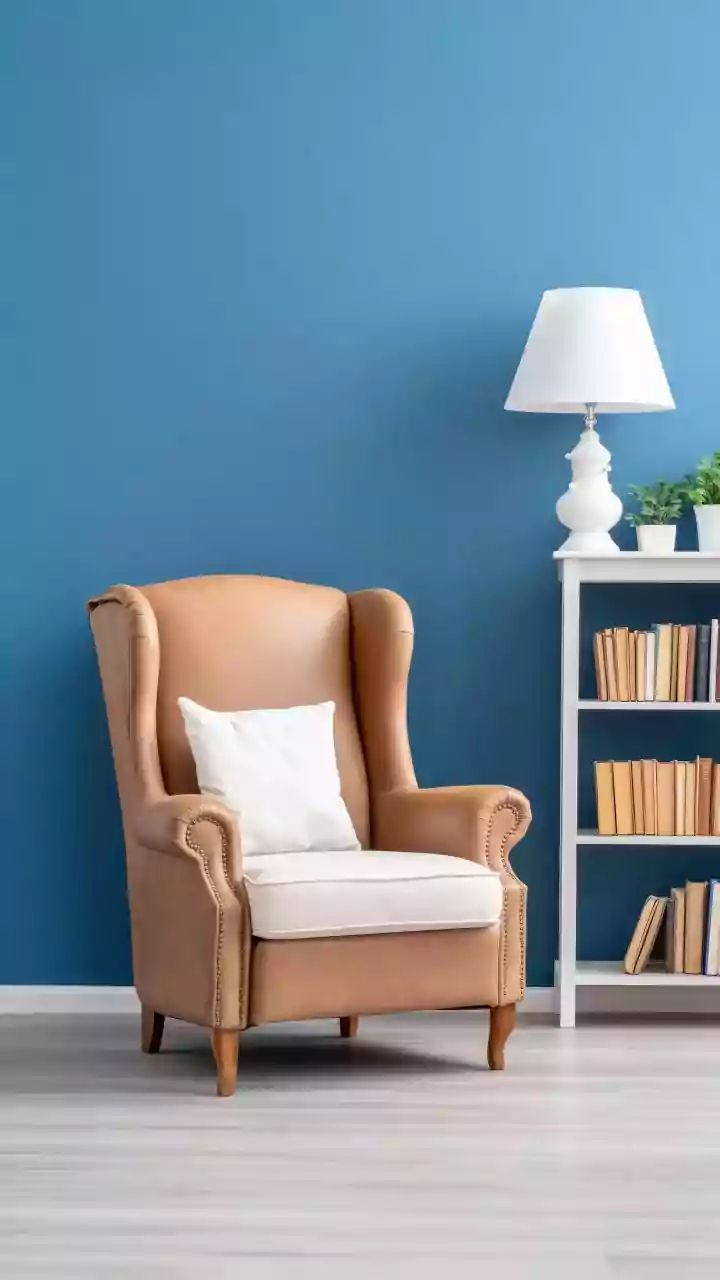
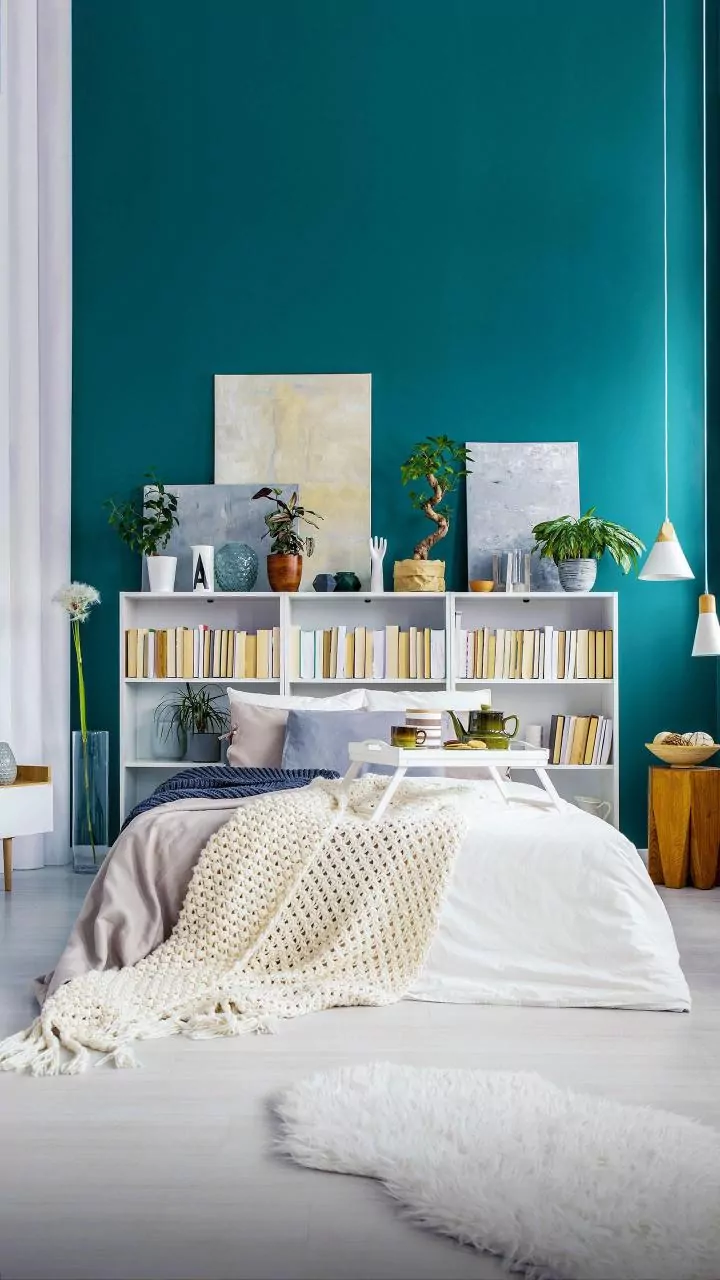
Arranging books by colour is a straightforward and satisfying project. The first step is to take everything off your shelves to start with a blank slate. Next, sort your books into piles based on the dominant colour of their spine. Don't worry too much about multicolored spines; just pick the colour that stands out most. Once you have your piles—red, orange, yellow, green, blue, purple, and a neutral pile for black, white, and grey—you can start arranging them on the shelf in rainbow order. For a more polished look, you can also sort each colour group from darkest to lightest. To add visual interest, try stacking some books horizontally to create platforms for small decorative items or to act as bookends. Remember to pull the books toward the front edge of the shelf for a clean, professional line.
The Logic of Arranging by Height
If a full rainbow isn't your style, organizing by height offers another way to create a clean, orderly look. The goal is to create pleasing lines and a sense of balance. A common method is to place the tallest books on the outer edges of a shelf and arrange the rest in descending order towards the middle, creating a valley shape. Alternatively, you can go from tallest to shortest across the entire shelf for a neat downward slope. Some designers suggest a 'Z-shaped' pattern, where one shelf goes from tall to short, and the shelf below goes from short to tall, creating a dynamic zigzag effect down the bookcase. As with colour-sorting, mixing in horizontal stacks can break up the monotony and add character. This method is particularly effective for making a collection of books feel less jumbled and more architectural.
The Reader’s Dilemma: Form vs. Function
Of course, these methods are not without controversy. The biggest criticism, especially for colour-coding, is that it prioritizes aesthetics over function. For avid readers with large collections who need to find specific titles quickly, organizing alphabetically by author or by genre is far more practical. Many book lovers feel it's wrong to separate books by the same author or break up a series just because their covers are different colours. Some purists even argue that anyone who truly loves to read would never organize their books this way. Ultimately, whether this system works for you depends on your relationship with your books. If your collection is primarily decorative, or if you’ve read most of them and don’t need to reference them often, the aesthetic benefit may outweigh the practical downside.
Finding a Happy Medium
You don't have to choose between a beautiful shelf and a functional library. Many people adopt a hybrid approach. Consider dedicating one prominent bookshelf to a rainbow display, using it for your most visually appealing hardcovers and coffee table books. Meanwhile, you can keep your more frequently used paperbacks or reference books organized traditionally on another, less visible shelf. Another option is to colour-code within genres, creating smaller, more manageable rainbows that maintain some organizational logic. You can also turn books with less appealing spines backward to create a neutral, textured look, though this makes finding them even more difficult. Ultimately, the goal is to create a space that feels personal and brings you joy, whether that's through a perfectly ordered rainbow or a lovingly chaotic pile.