


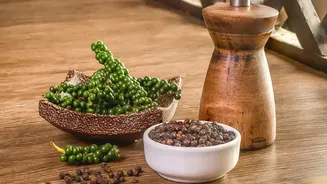
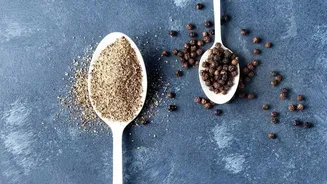
Black pepper, the 'king of spices', is essential in every Indian kitchen, adding its signature heat and aroma. But its value also makes it a target for adulteration. Here are simple, quick ways to ensure what’s in your masala box is pure.
Why Your Pepper Might Not Be Pure
From biryanis
to simple dal tadka, kali mirch is a non-negotiable ingredient. Its global demand and relatively high price, however, lead some suppliers to mix it with cheaper substances to increase their profits. The most common adulterants are dried papaya seeds, which look strikingly similar to peppercorns but offer none of the flavour or health benefits. Other fillers can include lightweight or hollow pepper berries, which have less flavour, and in ground pepper, sawdust or bran. Sometimes, whole peppercorns are coated with mineral oil to give them an appealing shiny black finish. These additions not only cheat you of money and flavour but can also pose health risks.
Test 1: The Simple Water Float Test
This is the easiest and most well-known test, recommended by the Food Safety and Standards Authority of India (FSSAI). Simply fill a clear glass with water and drop a spoonful of your whole black peppercorns into it. Stir gently and observe. Pure, dense, and mature peppercorns will sink to the bottom. Adulterants like papaya seeds and hollow or immature berries are lighter and will float to the surface. If you see a significant number of 'floaters', your pepper is likely adulterated. You can scoop these out for a closer look; papaya seeds often appear slightly more oval and smoother than the distinctly wrinkled peppercorns.
Test 2: The Feel and Pressure Check
Your sense of touch is another powerful tool. Place a few peppercorns on a hard surface and press them firmly with your thumb. Genuine, high-quality black pepper is tough and will not break easily. Adulterants like light berries or papaya seeds are much softer and will crush with little effort. Papaya seeds, when crushed, crumble into a tasteless mush, whereas a real peppercorn will break into oily, aromatic fragments. You can also rub a few peppercorns between your palms. If they feel greasy or leave a slight oily sheen on your hands, they may have been coated with mineral oil.
Test 3: The Smell and Appearance Inspection
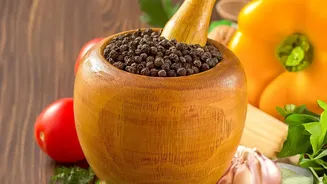
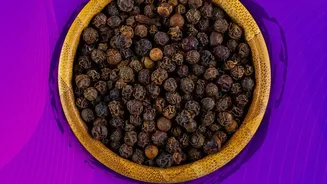
Before you even perform a test, trust your eyes and nose. Pure black pepper has a characteristically sharp, pungent, and almost woody aroma. Crush a single peppercorn; the smell should be immediate and strong. If the aroma is faint or non-existent, the quality is poor. Some adulterants, like mineral oil used for polishing, can also impart a faint kerosene-like or chemical smell. Visually, authentic peppercorns are typically uniform in their dark, near-black colour and have a deeply wrinkled surface. Be wary of peppercorns that look unnaturally glossy or shiny, as this could be a sign of an oil coating.
Smarter Shopping for Purer Spices
The best way to avoid adulterated spices is to be a vigilant consumer. Whenever possible, opt for whole peppercorns over pre-ground powder, as fillers are much harder to detect once the spice is milled. Buying from trusted brands and checking for FSSAI certification on the packaging provides an added layer of security. Pay attention to the appearance and feel of the product. Good quality pepper should feel heavy for its size and contain very few broken pieces or dust at the bottom of the packet. By being mindful and using these simple checks, you can ensure the black pepper in your pantry is authentic, flavourful, and safe.