


The Rush Hour Kitchen
Life in urban India is moving faster than ever. Longer work hours, daily commutes, and the rise of dual-income households mean time is a luxury few can afford, especially in the kitchen. This societal shift is the primary force behind the explosive growth
of convenience foods. For millions of working professionals and students, the elaborate process of traditional cooking is becoming a challenge. The demand is not just for anything quick, but for meals that save time without forcing a compromise on the flavours of home. As a result, the market for ready-to-eat (RTE) and ready-to-cook (RTC) meals is expanding rapidly, with some estimates projecting the RTE market to grow by over 16% annually. This isn't about replacing home cooking entirely, but supplementing it on days when time is the scarcest ingredient.
Convenience Gets a Desi Makeover
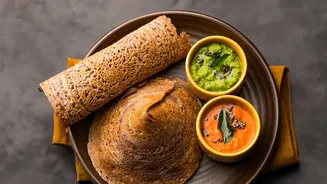
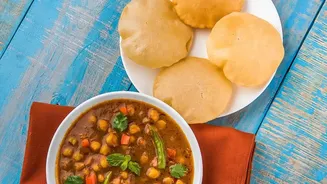
For years, 'convenience food' meant instant noodles or Western-style frozen meals. Today, the category has had a distinctly Indian makeover. The fastest-growing segment involves traditional Indian cuisine. Think shelf-stable packets of dal makhani, frozen Malabar parottas, and ready-to-cook dosa and idli batters that bring South Indian breakfast to the table in minutes. Brands like ITC, Gits, and MTR have perfected recipes that deliver authentic taste profiles. Even quick-service restaurants (QSRs) are moving beyond burgers and pizzas, with regional Indian chains serving dishes like thalis and biryani gaining significant traction in a fast-casual format. This shift shows that consumers want speed, but they want it to taste like the food they grew up with.
The Technology of Taste
A key reason for this trend's success is the vast improvement in food technology. Early versions of ready-made Indian food were often a pale imitation of the real thing, plagued by blandness and the tell-tale taste of preservatives. Now, advanced techniques like retort processing and high-pressure processing allow manufacturers to preserve complex flavours and textures without relying on artificial additives. This means a packaged curry can taste surprisingly close to one simmered for hours. The focus has shifted from mere preservation to culinary engineering, ensuring that the convenience factor doesn't come at the cost of authenticity. As a result, the psychological barrier for consumers, who previously equated 'packaged' with 'compromise', is rapidly disappearing.
Beyond the Dinner Plate
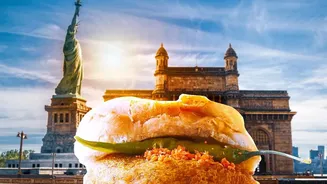
The demand for faster, familiar flavours extends well beyond evening meals. The market is seeing innovation across all parts of the day. Ready-to-mix snack options like upma or poha are popular for quick breakfasts. The rise of meal kit subscriptions, which provide pre-portioned ingredients for a specific recipe, offers a middle ground for those who still enjoy the process of cooking but want to skip the prep work. Even global fast-food giants have taken note, localising their menus with items like paneer tikka tacos and tandoori chicken subs to appeal to the Indian palate. This highlights a broader trend: novelty is welcome, but it succeeds best when wrapped in a comforting layer of familiarity.
Authenticity in the Age of Instant
With this surge in convenience, it's natural to ask if something is being lost. Does the embrace of instant meals signal a move away from the rich culinary traditions passed down through generations? The answer seems to be more nuanced. Instead of seeing it as an erosion of culture, it's perhaps more accurate to view it as an adaptation. These products are not replacing the celebratory weekend feast or a grandmother's signature recipe. Rather, they are filling a gap on a busy Tuesday night. They are a pragmatic solution for a new generation, allowing them to stay connected to their culinary roots amidst a modern, fast-paced lifestyle. For many, the choice is not between a slow-cooked traditional meal and a ready-to-eat one, but between a familiar ready-to-eat meal and an unfamiliar, less healthy alternative.