






Understanding the Spirit of Bonalu
At its heart, Bonalu is a folk festival unique to Telangana, declared a state festival in 2014. It is a form of thanksgiving to Goddess Mahakali for her blessings and protection. The name itself comes from 'Bonam', a Telugu word derived from the Sanskrit
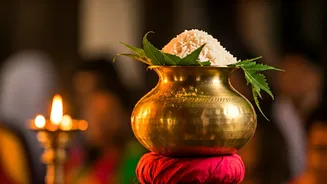
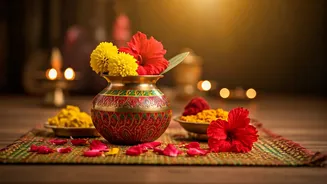
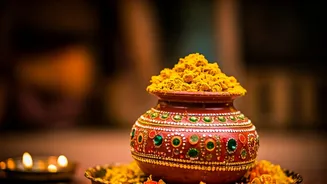
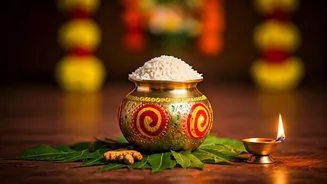
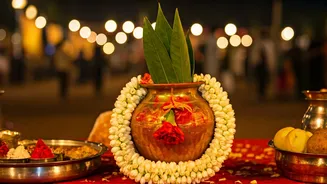
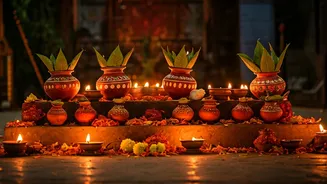
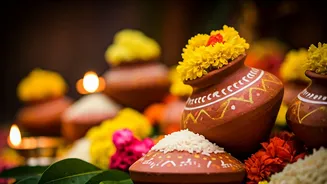
'Bhojanam' meaning meal. This refers to the central offering: rice cooked with milk and jaggery, placed in a new brass or earthen pot, decorated with turmeric and neem leaves, and carried by women on their heads to the temple. The festival's origins are traced to the 19th century, when a plague devastated Hyderabad. A military battalion stationed in Ujjain prayed to Mahakali, vowing to build a temple for her if the city was saved. When the plague subsided, they fulfilled their promise, and the tradition began.
Key Dates and Temple Trail for 2026
Bonalu is a month-long affair celebrated on Sundays across different parts of the twin cities. For 2026, the main festival days fall on four Sundays: July 19, July 26, August 2, and August 9. The celebrations follow a traditional sequence. They begin on the first Sunday (July 19) at the Sri Jagadamba Temple atop Golconda Fort. The second Sunday (July 26) sees major festivities at the Ujjaini Mahankali Temple in Secunderabad. The celebration reaches its peak on the third Sunday (August 2) in the Old City of Hyderabad, primarily at the Sri Mahankali Temple in Lal Darwaza and the Akkanna Madanna Temple in Haribowli. Knowing this schedule helps you decide which part of the city to visit and when.
What You'll See: Key Rituals
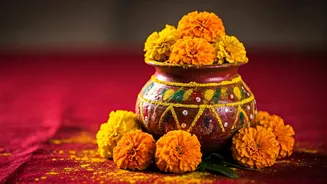
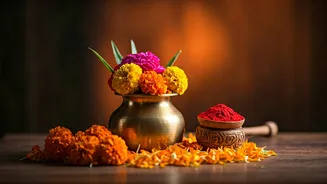
Beyond the 'Bonam' offering, several unique rituals define the festival. Look out for the Pothuraju, believed to be the goddess's brother. Dressed in a red dhoti with turmeric smeared on his body, he leads the processions, dancing energetically to the rhythm of drums and whipping himself to ward off evil spirits. Another key event is 'Rangam', or the oracle's prophecy, which happens the morning after the main celebrations at the Ujjaini Mahankali Temple. A woman, believed to be possessed by the Goddess, foretells the year ahead. You will also see 'Ghatams', which are decorated copper pots representing the Goddess, carried by priests in a grand procession that marks the festival's conclusion.
A Practical Guide for First-Timers
To truly enjoy Bonalu, a few tips are essential. First, arrive early. The main temples, especially Lal Darwaza, can have queues stretching for hours by mid-morning. Arriving around 6 or 7 AM offers a more manageable experience. Second, use public transport or app-based taxis. The areas around the temples are heavily congested, and parking is nearly impossible. Third, dress modestly and comfortably. As a religious occasion, traditional attire is most appropriate; women often wear colourful sarees and girls wear half-sarees. Comfortable footwear is a must, as you will be doing a lot of walking on crowded streets. Lastly, stay hydrated but be mindful that restroom facilities can be limited in the crowded festival areas.
Soaking in the Atmosphere
Bonalu is more than just a temple ritual; it's a full-blown cultural carnival. The streets are alive with the sounds of traditional 'dappu' drums and folk songs. Homes are decorated, and families come together to share the festive meal, which is also offered to guests. It’s a time of great community bonding. Don’t just rush from one temple to another. Take time to observe the processions, listen to the music, and witness the raw devotion on display. It’s an immersive experience that captures the unique spirit of Telangana, blending fierce devotion with joyous celebration.