






Pack Smart, Not Just More
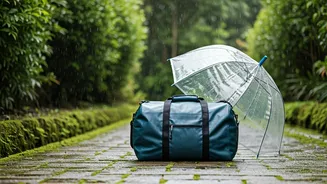
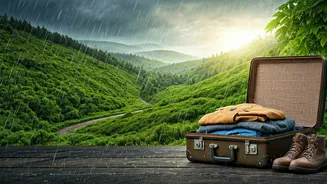
A waterproof jacket is a given, but smart packing goes deeper. Opt for synthetic, quick-drying fabrics like polyester and nylon over cotton, which takes forever to dry and feels heavy when damp. Pack clothes that are lightweight and can be layered. Instead
of one bulky towel, carry a thin, quick-dry microfibre one. Pack a few extra pairs of socks—you'll thank yourself later. It's also wise to bring a small, foldable 'dry bag' to segregate wet clothes from dry ones inside your main luggage, preventing musty smells and dampness from spreading.
Waterproof Your Tech and Essentials
Your phone, camera, and power bank are your lifelines on the road, and they are extremely vulnerable to moisture. Invest in good quality zip-lock bags or dedicated waterproof pouches. For extra security, place silica gel packets (the kind you find in new shoe boxes) in your electronics bag to absorb any ambient moisture. A reliable, fully charged power bank is non-negotiable, as power cuts can be more frequent during heavy rains. Also, ensure your backpack has a rain cover or is made of water-resistant material.
Prioritise Health and Hygiene
The monsoon brings a higher risk of water-borne diseases and mosquito-borne illnesses. Be vigilant about what you eat and drink. Stick to bottled water from trusted brands or carry a portable water filter or purification tablets. Avoid street food that has been sitting out, especially cut fruits and anything uncooked. Always carry a DEET-based mosquito repellent and apply it generously, especially during dusk and dawn. An antiseptic hand sanitiser, basic first-aid kit with band-aids, antiseptic cream, and medication for stomach upsets are essential travel companions.
Choose Your Footwear Wisely
This might be the most crucial decision you make. Leather shoes are a disaster in the rain—they get ruined and take ages to dry. Canvas sneakers become heavy and squishy. The best options are rubber-soled, open-toed sandals or floaters with good grip. They let your feet breathe, dry quickly, and are easy to clean. For trekking, invest in waterproof hiking boots with excellent traction to navigate slippery trails. Whatever you choose, make sure it’s comfortable and has anti-slip soles to handle wet, mossy surfaces.
Plan for Delays and Detours
Monsoons can be unpredictable. Heavy downpours can lead to flight delays, train cancellations, and road blockages due to landslides, especially in hilly regions. The key is to build buffer time into your itinerary. Don't plan a tight schedule. Before heading out, check the weather forecast and local news for any travel advisories. Keep your bookings flexible where possible and have a backup plan. This relaxed approach will save you a lot of stress and allow you to adapt to the weather's whims gracefully.
Embrace the Great Indoors
Some days, the rain will be too relentless to venture out. Instead of seeing this as a setback, plan for it. Pack a good book, download a few movies or a series on your device, or carry a deck of cards. This downtime is perfect for relaxing in a cosy café, trying your hand at a local cooking class, or simply enjoying the view of the rain from your hotel window with a hot cup of chai. Monsoon travel is as much about slowing down and soaking in the atmosphere as it is about sightseeing.
Select Your Destination Carefully
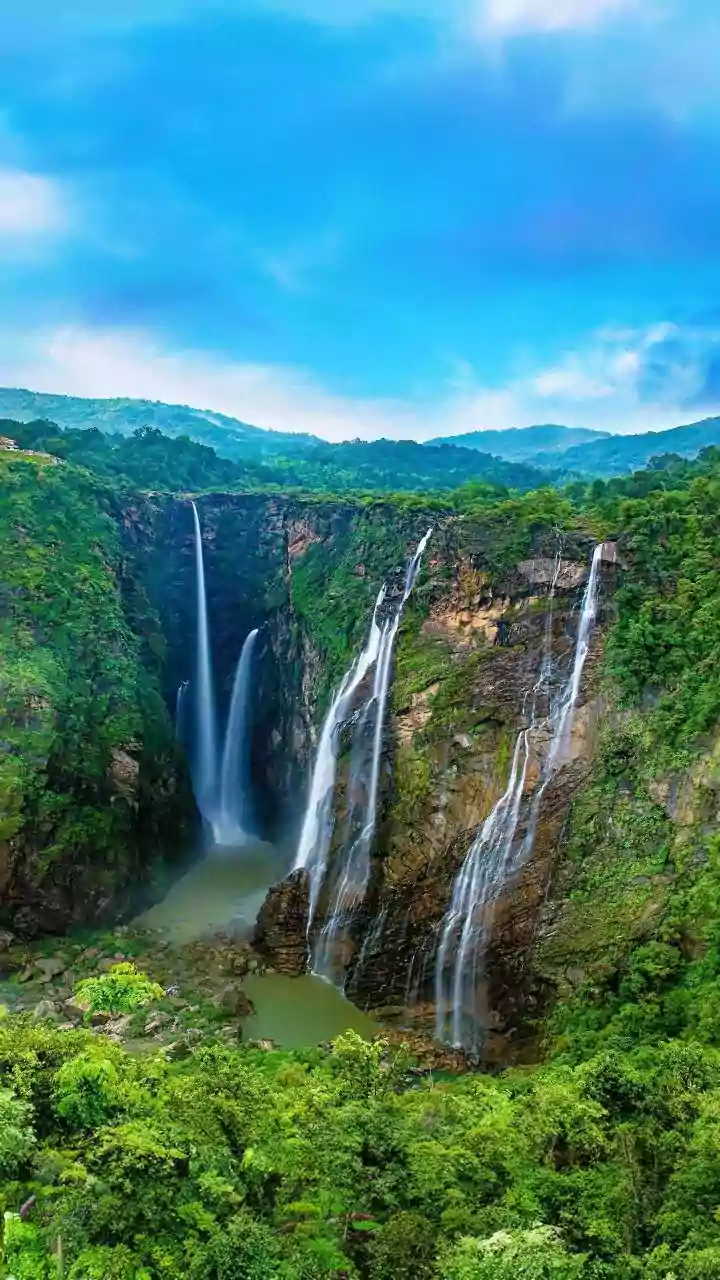
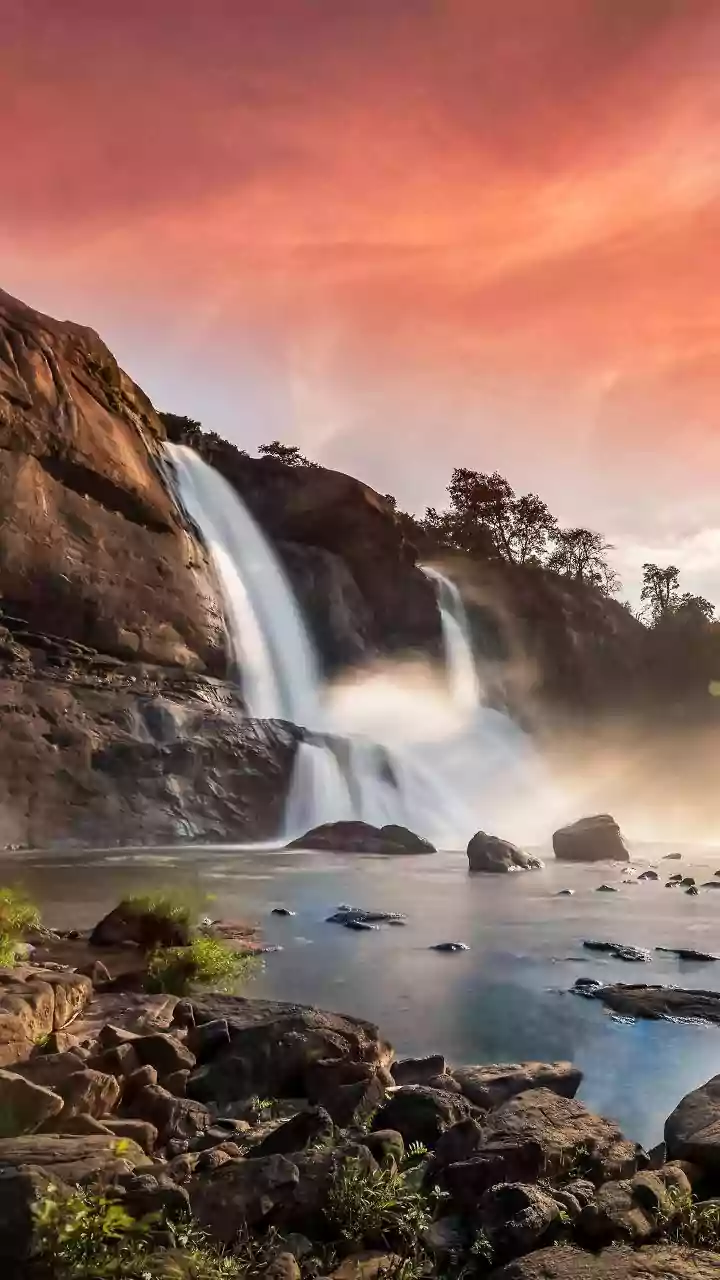
Not all destinations are created equal in the monsoon. While some places, like the Western Ghats (think Munnar or Coorg) and parts of Rajasthan (like Udaipur), come alive with lush greenery and are stunning during the rains, others are best avoided. Many Himalayan trekking routes and coastal areas prone to severe storms might be closed or unsafe. Research your chosen destination's monsoon pattern. Places in the rain-shadow region, such as Ladakh or parts of Tamil Nadu, experience minimal rainfall during the peak monsoon months, making them excellent alternatives.