








The Traditional Plate
For generations, the Indian diet has been defined by its diversity and reliance on fresh, unprocessed ingredients. From wheat-based diets in the north to rice-based meals in the south, traditional food patterns prioritized balance. Meals were typically
cooked at home, incorporating a wide array of vegetables, legumes, whole grains, and spices, with recipes passed down through families. This culinary approach was not just about taste but also about holistic well-being, aligning with seasonal availability and local agricultural practices. This foundation of fresh, minimally processed food is now facing a significant challenge from the modern food industry.
The Packaged Food Boom
The Indian packaged food market is expanding rapidly, with projections expecting it to reach over USD 230 billion by 2035. This growth is fueled by urbanization, rising disposable incomes, and increasingly busy lifestyles that place a premium on convenience. Ready-to-eat meals, snacks, and processed staples are no longer niche items but mainstream products found in kitchens across the country. While this offers convenience, it also marks a profound dietary shift. The consumption of ultra-processed foods (UPFs), which are industrial formulations high in additives, unhealthy fats, sugars, and salt, is rising and displacing traditional, nutrient-rich meals.
A Rising Health Crisis
The health consequences of this dietary transition are becoming increasingly clear. The Indian Council of Medical Research (ICMR) has highlighted that a staggering 56.4% of India's total disease burden is linked to unhealthy diets. The rise in consumption of processed foods is a major contributor to the growing epidemic of non-communicable diseases (NCDs) such as obesity, diabetes, hypertension, and heart disease. Studies show that between 2005 and 2020, obesity rates nearly doubled among both men and women. These conditions, once considered urban ailments, are now prevalent in rural areas as well, creating a nationwide public health challenge.
FSSAI's Regulatory Guardrails
In response, the Food Safety and Standards Authority of India (FSSAI) is strengthening its regulations. The authority is cracking down on misleading advertising and false claims, such as the use of words like "natural" or "healthy" on products that don't meet strict criteria. A penalty of up to 10 lakh rupees can be imposed for misleading ads. FSSAI regulations state that claims must be truthful, unambiguous, and scientifically substantiated. Furthermore, adding vitamins and minerals to an unhealthy product high in fat, sugar, and salt does not make it healthy, a practice the ICMR has also warned against.
The Push for Clearer Labels
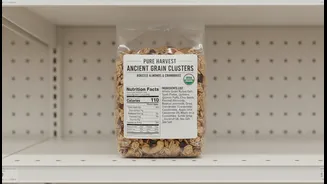
A key battleground is front-of-pack labelling (FoPL). For years, vital nutritional information has been confined to the back of the package in small print. Following a directive from the Supreme Court in February 2026, the FSSAI is now under pressure to mandate clear warning labels on the front of products high in fat, sugar, and salt (HFSS). While the exact format is still under discussion, the goal is to provide consumers with an at-a-glance understanding of a product's nutritional profile, similar to warning systems used in other countries. This move is seen as a critical step in empowering consumers to make healthier choices in the grocery aisle.