


The Protein Puzzle in Indian Diets
Protein is the fundamental building block for a growing child's body, essential for muscle and bone growth, brain development, and a strong immune system. A common myth is that Indian diets, especially vegetarian ones, are low in protein. While it's true
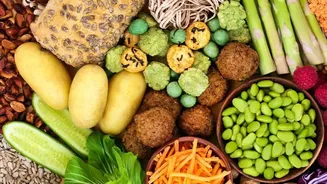
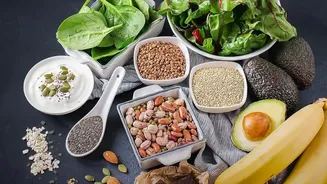
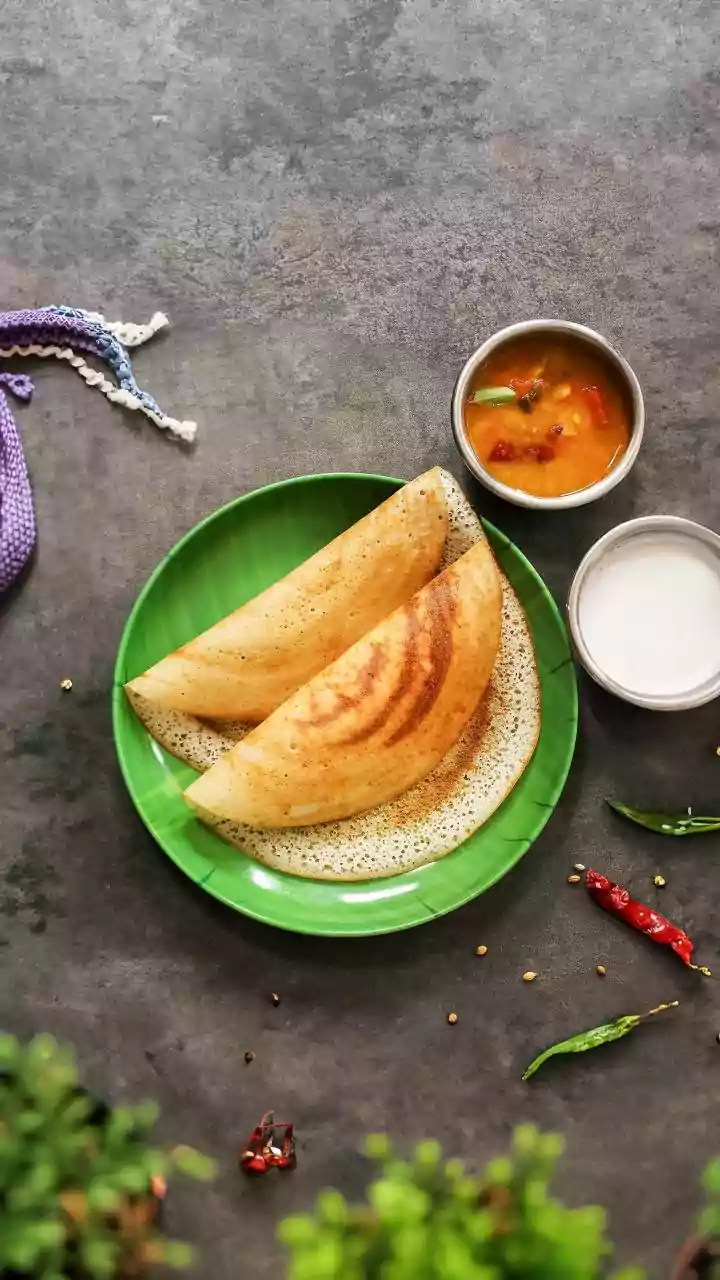
that many meals are cereal-heavy, our kitchens are full of excellent protein sources. For toddlers (1-3 years), the daily need is around 13-16 grams, which increases to about 19-20 grams for preschoolers (4-6 years) and up to 35 grams for older children. Easily available vegetarian options include dals, pulses, paneer, curd, milk, and soya. For instance, a cup of cooked dal can provide around 15-18 grams of protein, and 100g of paneer contains about 18g. The key is combining different sources. Traditional meals like dal-rice, rajma-chawal, or idli-sambar are perfect examples of combining pulses and cereals to create a complete protein profile.
What 'Variety' on the Plate Really Means
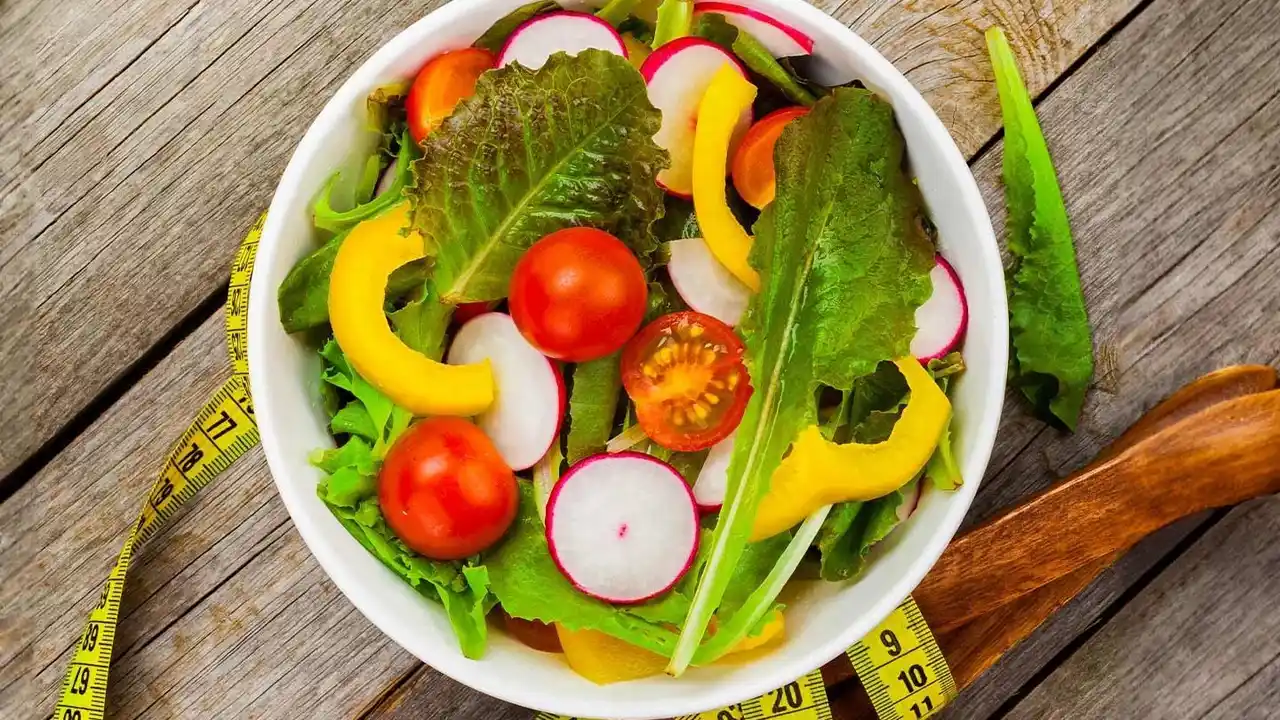
Variety is crucial because no single food can supply all the nutrients a child needs. A varied diet ensures a wider range of vitamins and minerals, which is vital for preventing common deficiencies. In India, many children lack sufficient iron, vitamin D, and vitamin A. Aiming for a 'rainbow' on the plate is a simple way to achieve this. A balanced meal should ideally be composed of one-quarter protein (dal, paneer, egg), one-quarter whole grains (roti, rice, millets), and half the plate filled with vegetables and fruits. This doesn't require exotic ingredients. It means rotating different dals through the week, serving seasonal vegetables, and including fruits as snacks. For example, instead of just potato, try adding spinach, carrots, or peas to a dish. This not only boosts the nutrient profile but also helps children accept different tastes and textures from an early age.
Rethinking Snacks and Drinks
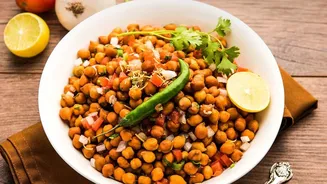
Snack time is often where balanced diets get derailed by packaged biscuits, chips, and sugary drinks. However, it's also a great opportunity to fill nutritional gaps. Healthy snacking doesn't have to be complicated or time-consuming. Simple swaps can make a huge impact. Roasted makhana (fox nuts), roasted chana (chickpeas), a bowl of curd, a handful of peanuts, or a piece of fruit are excellent choices. These options provide protein and fibre, keeping children full and energetic for longer. Homemade snacks like paneer sandwiches, moong dal chilla, or even a simple sprout chaat are also great. Equally important is hydration. Encourage children to drink water throughout the day instead of sweetened juices or sodas, which offer empty calories and contribute to poor health habits.
Practical Tips for Busy Parents
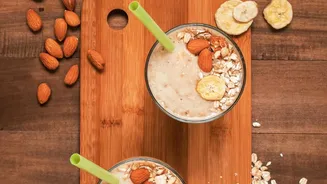
Incorporating these changes doesn't require a complete overhaul of your family's diet. Start with small, manageable steps. Involve your children in meal planning and simple cooking tasks; this can increase their interest in trying new foods. If you have a picky eater, don't give up. It can take 10-15 exposures for a child to accept a new food. Offer new vegetables alongside familiar favourites without pressure. For vegetarian families, focusing on combining dals/pulses with grains like rice or roti at every main meal is a powerful strategy to ensure complete protein intake. For extra protein and healthy fats, try adding a powder of ground nuts and seeds to roti dough, porridge, or milkshakes—an easy way to boost nutrition without a fight.