




The Great Indian Road Trip Gets a New Map
There’s a quiet revolution unfolding on India's roads. The old model of travel—a frantic rush between major cities and famous landmarks—is giving way to a slower, more deliberate exploration of the country’s vast landscapes. Today’s travellers are increasingly
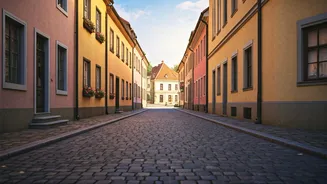
trading crowded tourist hubs for the freedom of the open road and the charm of the unfamiliar. This shift is redefining what a holiday looks like; it’s less about the destination and more about the experience of getting there. The focus is now on discovering hidden gems, taking scenic detours, and embracing the spontaneity of a journey where the map is merely a suggestion.
Your Stomach as the New Compass
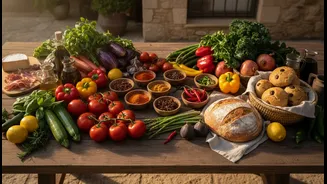
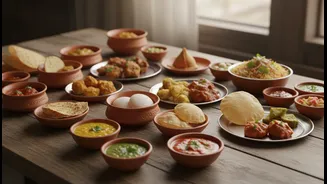
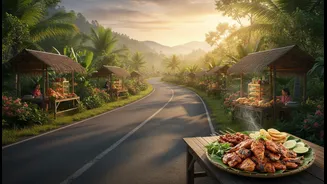
At the heart of this new travel behaviour is a powerful motivator: food. For a growing number of Indians, culinary experiences are no longer an afterthought but the primary reason to travel. Recent travel industry insights show that nearly 40% of Indian travellers consider local cuisine a major factor when planning a trip. This has given rise to what is being called 'gastronomic tourism', where the goal is to savour authentic, local flavours. From the buttery parathas of Murthal on the Delhi-Chandigarh highway to the fresh seafood shacks along the Konkan coast, roadside eateries and regional specialties are becoming destinations in their own right. Social media is also playing a huge role, with food bloggers and influencers turning humble local joints into must-visit culinary landmarks.
Slow Travel and the Search for Authenticity
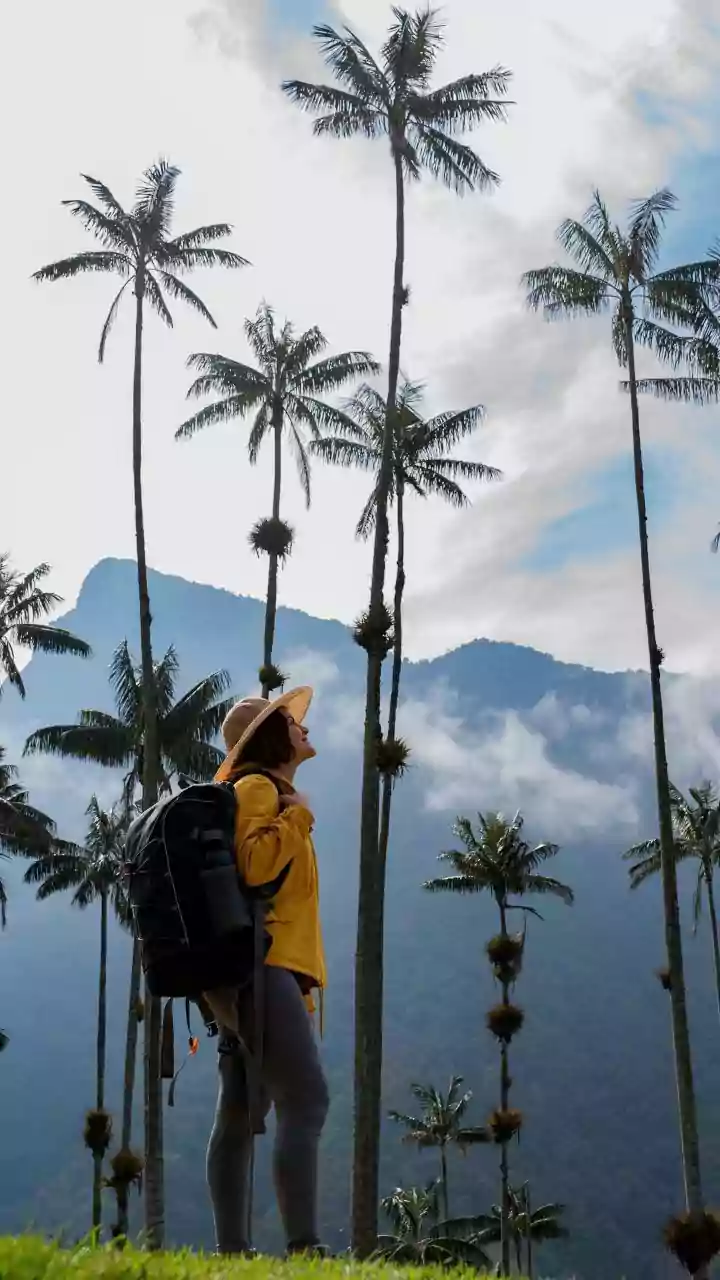
This trend is part of a broader movement towards 'slow travel'. Post-pandemic, there's a growing desire for more meaningful and relaxing trips that offer a genuine connection to a place and its culture. Instead of rushing through a packed itinerary, travellers are choosing to spend more time in one place, immersing themselves in the local way of life. This can mean exploring a region's backroads, staying in homestays instead of hotels, and engaging with local communities. Reports indicate a rising interest in quieter destinations that offer an escape from urban chaos, with a focus on wellness, nature, and reflection. This approach allows for a deeper appreciation of a destination’s culture, history, and, of course, its food.
Rediscovering India's Own Backyard
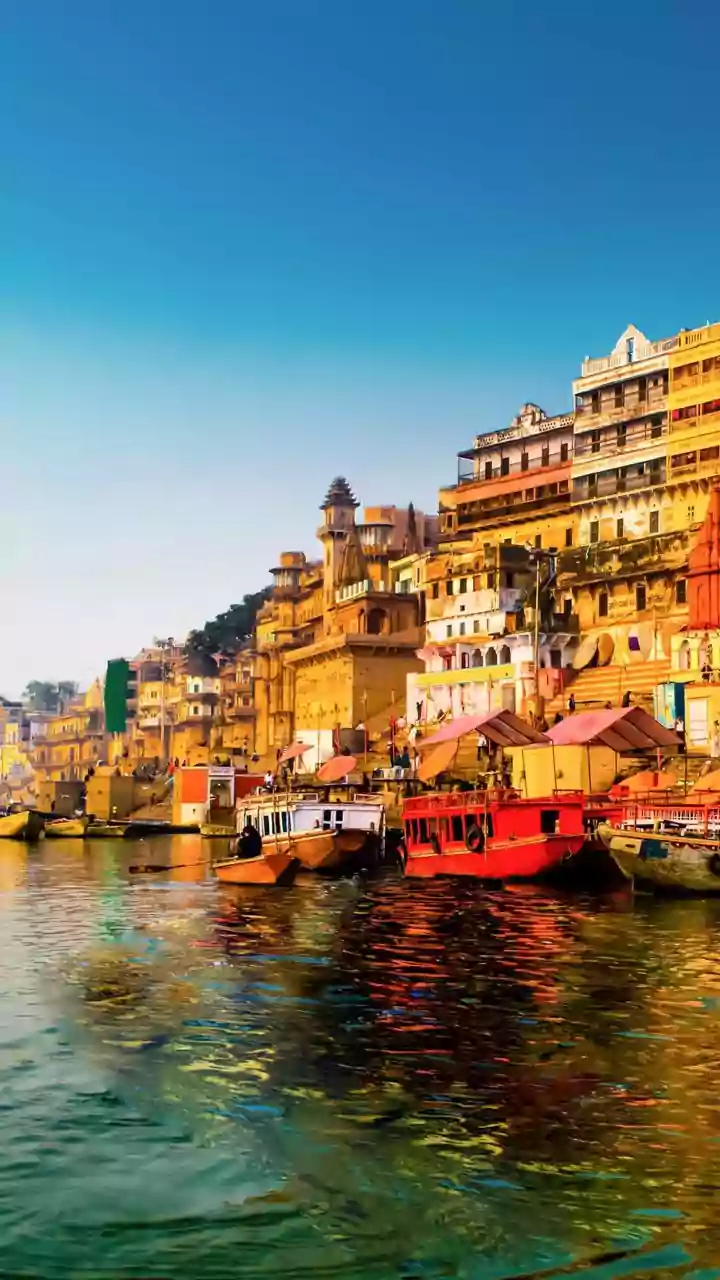
A significant aspect of this behavioural shift is a renewed focus on domestic travel. Indians are exploring their own country with unprecedented enthusiasm, a trend accelerated by improved infrastructure and a growing middle class with higher disposable incomes. The development of new highways and the increasing accessibility of remote areas have made road trips more appealing than ever. Travellers are discovering that they don’t need to go abroad for incredible experiences. Whether it's a drive through the tea plantations of Darjeeling, a coastal journey from Chennai to Puducherry, or exploring the spice routes of Kerala, there is a rich tapestry of landscapes and culinary traditions to be found within India’s borders.
The Local Economic Boost
This evolving travel style has a welcome side effect: it spreads the economic benefits of tourism far beyond the usual hotspots. When travellers choose to stop at a small-town eatery, stay in a family-run guesthouse, or buy from local artisans, they are directly supporting small businesses and rural economies. This decentralisation of tourism helps create sustainable livelihoods in remote regions and fosters a sense of community pride. By valuing authentic experiences over commercialised attractions, these travellers are not just enriching their own journeys; they are contributing to a more equitable and resilient tourism ecosystem across the country.