



Classic Roasted Bhutta (Corn on the Cob)
There's nothing quite like the smoky aroma of a roasted bhutta on a rainy day. A quintessential monsoon snack, corn is a source of fibre, vitamins, and minerals. While not a protein powerhouse on its own, it provides a modest amount that contributes to
your daily intake. A medium ear of corn has around 3 to 5 grams of protein. More importantly, it is a wholesome, unprocessed alternative to fried snacks. Seasoned with salt, chilli, and a squeeze of lime, it’s a simple, satisfying, and healthier way to indulge. It helps keep you full and provides slow-releasing energy, making it a smart choice for evening hunger pangs.
Sprouted Moong Chaat
Street food cravings can be strong during the monsoon, but hygiene is a concern. A homemade sprouted moong chaat is the perfect solution. Moong sprouts are an excellent source of plant-based protein, with a cup offering between 7 to 14 grams, depending on the serving size. The process of sprouting increases the bioavailability of proteins and other nutrients. To make this chaat, lightly steam the sprouts, then toss them with chopped onions, tomatoes, cucumber, and fresh coriander. A squeeze of lemon and a sprinkle of chaat masala complete this refreshing, crunchy, and protein-rich snack that is easy to digest and full of flavour.
Besan Chilla (Gram Flour Pancake)
A warm, savoury besan chilla is a comforting and highly nutritious monsoon snack. Made from gram flour (besan), it is naturally rich in protein and fibre. A single chilla can provide a substantial amount of your daily protein needs. You can make it even more protein-dense by adding a stuffing of crumbled paneer, tofu, or mixed vegetables. These pancakes are quick to prepare and can be seasoned with ginger, green chillies, and ajwain (carom seeds), which also aids digestion. It’s a versatile snack that can be enjoyed for breakfast or with your evening tea, keeping you full and energised.
Grilled Paneer Tikka
When you're craving something substantial and spicy, paneer tikka fits the bill perfectly. Paneer, or Indian cottage cheese, is a fantastic source of high-quality protein, essential for muscle repair and keeping you satiated. A 100-gram serving can contain anywhere from 15 to over 20 grams of protein. Marinating cubes of paneer in yogurt and spices and then grilling or baking them is a much healthier preparation than frying. The result is a smoky, flavourful, and satisfying snack that feels indulgent without the extra calories from deep-frying.
Sattu Sherbet or Laddoos
Sattu, a flour made from roasted Bengal gram, is a traditional Indian superfood that is incredibly rich in protein, fibre, and essential minerals like iron and magnesium. A 100-gram serving of sattu can contain around 20-22 grams of protein. It has a natural cooling effect on the body but is enjoyed year-round for its energy-boosting properties. You can mix it with water, lemon juice, and a pinch of black salt for a refreshing and filling drink. Alternatively, you can mix sattu with jaggery and ghee to make nutritious laddoos for a quick, on-the-go protein bite.
Roasted Chana (Chickpeas)
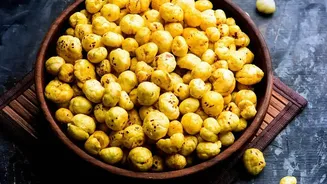
One of the simplest and most convenient protein snacks is roasted chana. This crunchy, savoury treat has been a staple in Indian households for generations. Chickpeas are a great source of plant-based protein and dietary fibre, which work together to keep you feeling full and prevent overeating. Whether you buy them plain or spiced, they make for a perfect travel-friendly snack or a guilt-free munchie to accompany your evening tea. A handful of roasted chana is an easy way to curb hunger and boost your protein intake simultaneously.