





Understanding LISS: The Gentle Endurance Builder
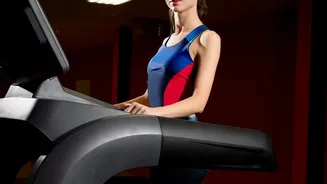
LISS, or Low-Intensity Steady-State cardio, is exactly what it sounds like. It involves performing an aerobic activity at a relatively low and consistent pace for a sustained period, typically 30 to 60 minutes. During a LISS workout, your heart rate should
be around 60-70% of its maximum, a level where you can comfortably hold a conversation. Think of activities like brisk walking, light jogging, cycling at a relaxed pace, or swimming. The key is maintaining a steady effort without major spikes in intensity. This makes it an incredibly accessible form of exercise, especially for those just starting their fitness journey or who prefer a less strenuous workout.
The Case for LISS: Why Slow and Steady Wins the Race
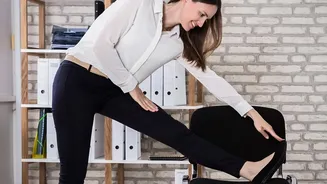
For desk-bound employees, LISS offers several compelling advantages. Firstly, it is low-impact and gentle on the joints, which is a significant plus for individuals who are not accustomed to regular physical activity. This reduces the risk of injury and makes it a sustainable long-term option. LISS is also an excellent tool for active recovery, helping to reduce muscle soreness after more strenuous workouts by promoting blood circulation. Furthermore, its steady and meditative nature can be a powerful stress reliever, offering a mental break from a demanding workday. In a country where long commutes and desk jobs are common, LISS provides a joint-friendly reintroduction to physical activity.
Understanding HIIT: The Time-Saving Powerhouse
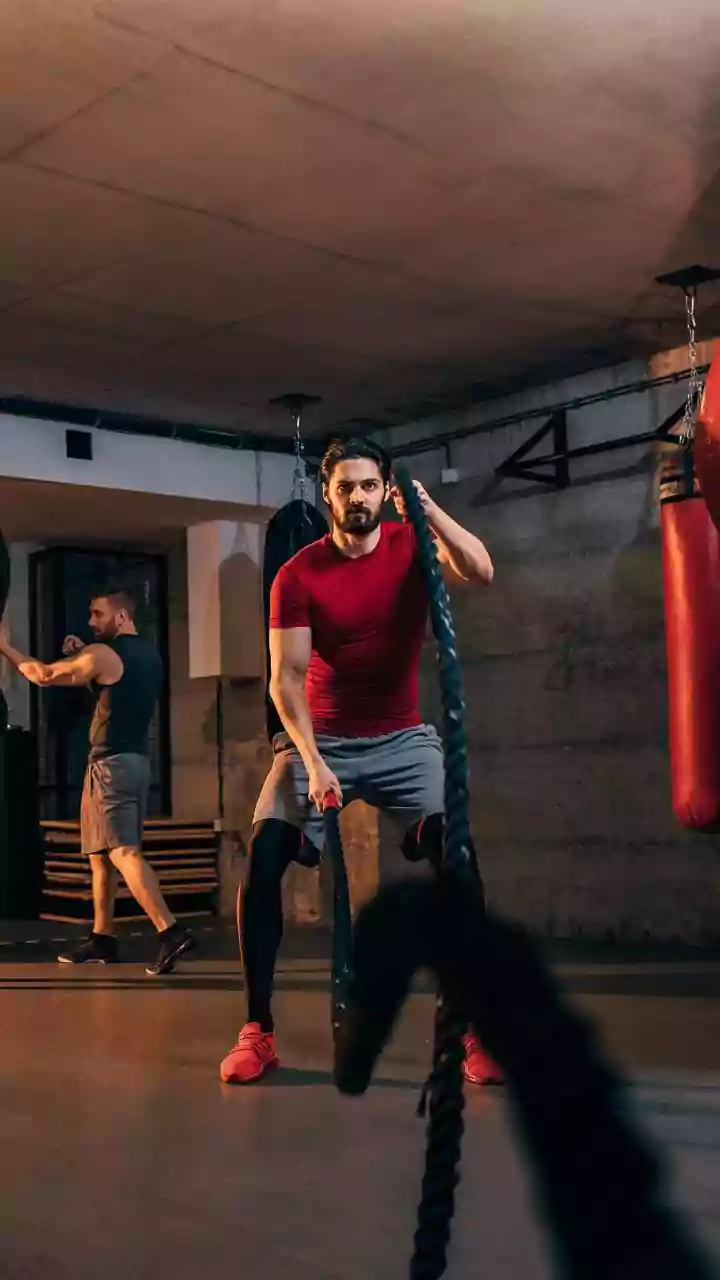
On the other end of the spectrum is HIIT, or High-Intensity Interval Training. This method involves short, explosive bursts of all-out effort, pushing your heart rate to 80% of its maximum or higher, followed by brief recovery periods. A typical HIIT session is much shorter than LISS, often lasting just 10 to 30 minutes. Work-to-rest ratios can vary, but a common example is 30-40 seconds of intense work followed by 15-20 seconds of rest. HIIT workouts are versatile and can be done with bodyweight exercises like burpees and jump squats or on equipment like a treadmill or stationary bike.
The Case for HIIT: Maximum Results in Minimum Time
The primary appeal of HIIT for a busy office employee is its incredible time efficiency. A 20-minute HIIT session can deliver cardiovascular benefits similar to a much longer LISS workout. One of its most touted benefits is the 'afterburn effect,' scientifically known as Excess Post-Exercise Oxygen Consumption (EPOC). This means your metabolism stays elevated for hours after the workout, leading to greater overall calorie burn. Regular HIIT has been shown to improve heart health, boost energy levels, and enhance mental focus, which can directly translate to better performance at your desk.
The Desk Worker's Dilemma: Which Is Truly Better?
So, which one should you choose? The answer isn't a simple one-size-fits-all. When it comes to fat loss, studies show that both HIIT and LISS can be effective, as the primary driver is creating a calorie deficit. The choice depends on your personal circumstances. If your schedule is packed and you can handle intensity, HIIT offers a fantastic workout in a fraction of the time. However, it's also more demanding and carries a higher risk of injury if not done with proper form. LISS is safer for beginners, better for stress reduction, and can be done more frequently. For someone transitioning from a sedentary lifestyle, starting with LISS to build a foundational level of fitness is often a wise approach.
A Balanced Approach: Combining HIIT and LISS
Instead of viewing it as a competition, the most effective strategy for many is to combine both methods. This approach allows you to reap the unique benefits of each while minimizing their drawbacks. For instance, you could schedule two or three HIIT sessions per week on days you're short on time and incorporate longer LISS sessions on other days for endurance and active recovery. This variety not Ronly prevents workout boredom but also creates a more well-rounded fitness regimen that supports both high-intensity performance and sustained, gentle movement. Listening to your body is key; on high-stress days, a calming LISS session might be more beneficial than a demanding HIIT workout.