

The Gardener's Rain-Soaked Dilemma
Enthusiastic urban gardeners in India know the monsoon brings both life and challenges. While plants need water, excessive, non-stop rain can be disastrous for those in containers. Unlike plants in the ground, potted plants have a limited volume of soil.
When this soil becomes saturated for days on end, the roots can't get the oxygen they need to survive. This leads to root rot, a common and often fatal condition where roots turn brown and mushy. Furthermore, heavy downpours can physically damage delicate plants, wash away essential soil and nutrients, and create a breeding ground for fungal diseases. Yellowing leaves, wilting despite wet soil, and a sour smell from the pot are all tell-tale signs of a plant in distress from overwatering.
An Introduction to Rain Shields
A modular waterproofing shield is essentially a protective cover designed to deflect heavy rainfall from the soil of a potted plant. The term 'modular' refers to systems that can be easily assembled, adjusted, or expanded to fit different plant sizes and arrangements. Instead of moving heavy pots every time it rains, these shields offer a more permanent and targeted solution. The goal is not to keep all water out, but to prevent the soil from becoming waterlogged during persistent, heavy showers. These can range from commercially available kits with poles and connectors to simple DIY contraptions using everyday materials. They act as a mini-roof for your individual pots or groups of plants.
How Shields and Covers Work
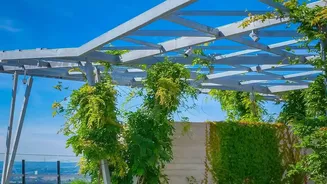
The principle is simple: create a physical barrier that intercepts and redirects the flow of water. These shields are typically made from waterproof or water-resistant materials like PVC, plastic sheeting, tarpaulin, or even specialized fabrics. A good shield does more than just block rain; it's designed to allow for crucial airflow to prevent humidity from building up, which could encourage fungal growth. Some commercial systems use a frame of interlocking poles to create a structure over which a waterproof net or sheet is placed. DIY versions might involve using stakes, PVC pipes, or bamboo to create a frame and then draping a plastic sheet or tarp over it, secured to prevent it from blowing away.
Choosing the Right Protection
The best solution depends on your specific needs. For a few small, sensitive plants like herbs, a simple, temporary cover like an overturned bucket or a plastic sheet draped over a small frame might suffice. For larger collections on a balcony or terrace, a more robust system is needed. Consider the size and shape of your pots, the types of plants you have, and your budget. Modular kits offer flexibility and a clean look but come at a higher cost. DIY options are budget-friendly and can be customized, using materials like tarps, clear plastic sheets, and PVC pipes to create a canopy. For those seeking a less obtrusive option, simple garden umbrellas can also be strategically placed to protect clusters of plants.
Beyond the Shield: Essential Rain-Proofing Tips
Even the best shield works better in combination with other good gardening practices. The most critical step is ensuring excellent drainage. Make sure every pot has unobstructed drainage holes. Elevating pots off the ground using bricks, pot feet, or plant stands is a simple but highly effective technique. This small gap prevents the drainage holes from getting clogged and allows air to circulate underneath, helping the soil to dry out faster. During the monsoon season, it's also wise to avoid using pot saucers, which can collect water and leave your plant's roots submerged. Finally, check your soil mix. Using a light, well-draining medium with additives like perlite or cocopeat is preferable to heavy garden soil that retains too much water.