







The Energy Vitamin Your Diet Might Be Missing
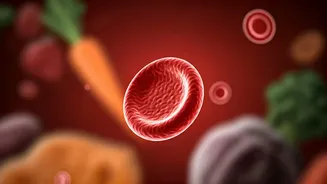
Vitamin B12, also known as cobalamin, is a crucial nutrient that plays a vital role in your body's daily operations. Its main jobs include keeping your nerve cells healthy, helping to create DNA, and, most importantly for this conversation, forming healthy red
blood cells. These red blood cells are responsible for carrying oxygen throughout your body. Without enough oxygen, your cells can't produce energy efficiently, leading to the profound and persistent feeling of fatigue. Unlike many other nutrients, B12 isn't made by plants. It's produced by microorganisms and is found almost exclusively in animal-based foods like meat, fish, eggs, and dairy. This is the core of the issue for those on a plant-based diet.
Why Vegetarians in India Are Particularly at Risk
India has one of the largest vegetarian populations in the world, making this a significant public health topic. While a lacto-vegetarian diet includes dairy—a source of B12—the amounts are often not enough to meet daily needs. Studies across India have shown a high prevalence of B12 deficiency among vegetarians, with some reviews finding that up to 80% of vegetarian adults may have inadequate levels. Several factors contribute to this. Many home-cooked Indian vegetarian diets, while incredibly healthy in many other respects, rely on staples like dal, rice, roti, and vegetables, which contain no B12. Furthermore, the common practice of boiling milk can reduce its B12 content. And unlike in some Western countries, the fortification of everyday foods like flour or breakfast cereals with B12 is not yet widespread in India.
More Than Just Tiredness: Other Telltale Symptoms
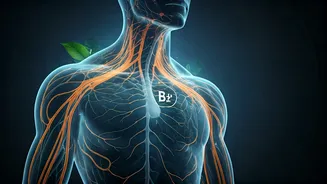
While fatigue is the most common and noticeable symptom, a B12 deficiency can manifest in numerous other ways, often developing gradually over years. Many of these signs are neurological because of the vitamin's role in protecting the nervous system. You might experience strange sensations like tingling or numbness in your hands and feet, often described as 'pins and needles'. Other symptoms can include difficulty with balance, a sore or swollen tongue, pale or yellowish skin, and cognitive issues like memory problems or difficulty concentrating. Because these symptoms can be subtle and overlap with many other conditions, B12 deficiency is often overlooked or misdiagnosed as simply stress or aging.
From Suspicion to Solution: Getting Diagnosed and Treated
If you are a vegetarian experiencing persistent fatigue and other related symptoms, it’s essential not to self-diagnose. The only way to confirm a deficiency is through a blood test ordered by a doctor. A healthcare provider can check your serum B12 levels and may also look at related markers like homocysteine to get a full picture. If a deficiency is confirmed, treatment is straightforward and effective. It usually involves supplementation, which can be in the form of high-dose oral tablets or, in more severe cases, injections. Your doctor will recommend the appropriate dosage and duration based on the severity of your deficiency. Some neurological symptoms may take time to improve, and in some instances, damage can be irreversible if the deficiency is left untreated for too long, highlighting the importance of early detection.
Boosting Your B12: Practical Steps for Vegetarians
For vegetarians, maintaining adequate B12 levels requires a conscious effort. If you consume dairy (lacto-vegetarian), increasing your intake of milk, yogurt, and cheese can help. For example, a cup of low-fat milk can provide about half of your daily requirement. However, relying on dairy alone is often insufficient. Exploring fortified foods is a great strategy. Look for products like fortified plant-based milks (soy, almond), fortified breakfast cereals, and nutritional yeast, which is a cheesy-tasting powder that can be sprinkled on food. Be sure to read labels to confirm that the product is indeed fortified with B12. For many long-term vegetarians and all vegans, a regular B12 supplement is the most reliable and recommended way to prevent a deficiency.