


The Golden Treasure of Bengal
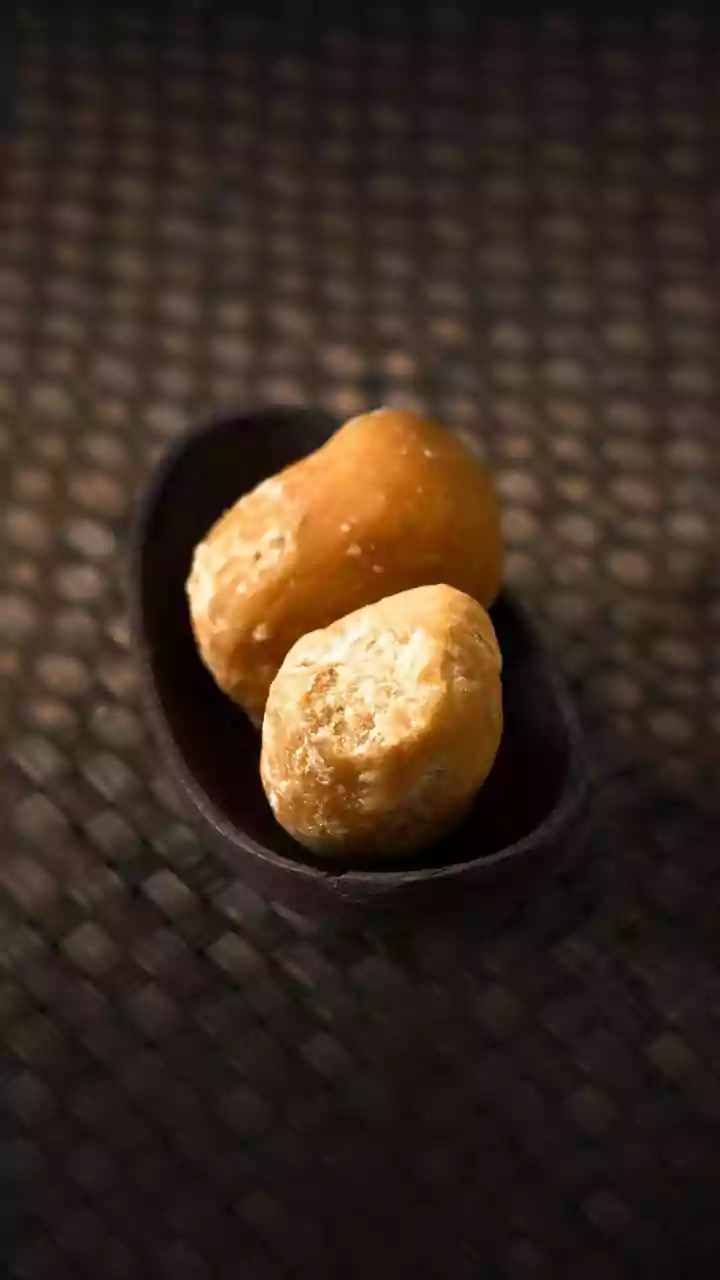
Nolen Gur, which translates to 'new jaggery', is a natural sweetener made from the sap of the date palm tree. Unlike processed sugar or even other forms of jaggery, it boasts a complex flavour profile that is smoky, intensely aromatic, and reminiscent
of caramel with woody undertones. This unique taste makes it the undisputed star of Bengali winter cuisine. The gur is available in two main forms: the liquid 'Jhola Gur', a golden, viscous syrup, and the solid 'Patali Gur', a darker, fudge-like block that can be stored for longer. Both are integral to the seasonal culinary landscape.
A Labor of Love and Tradition
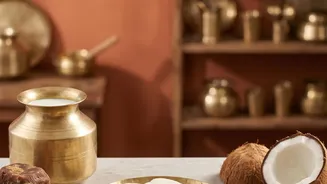
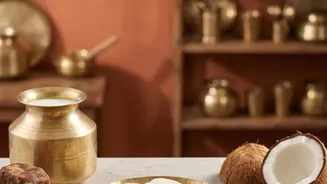
The magic of Nolen Gur begins long before it reaches the kitchen. Its production is a seasonal and laborious art, practiced by skilled artisans known as 'shiulis' or 'gachias'. During the winter months, typically from November to February, these tappers climb date palm trees to make precise incisions, allowing the sweet sap to flow into earthen pots overnight. The collected sap is then slow-cooked, often over a wood fire, for hours. This gradual simmering process is crucial; it reduces the liquid and caramelises the sugars, developing the gur’s signature deep flavour and rich aroma. This traditional method, passed down through generations, is what makes authentic Nolen Gur a true craft product.
Kolkata's Most Cherished Winter Sweets
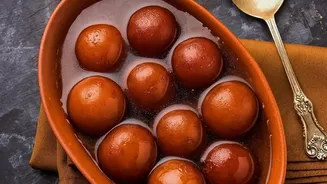
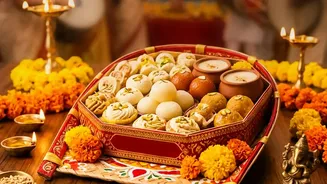
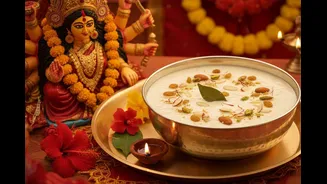
When Nolen Gur arrives, Kolkata's sweet makers embrace it with unparalleled creativity. The city's famed 'mishti' shops roll out a spectacular array of gur-infused delicacies. Classics get a seasonal makeover, like the 'Nolen Gur er Rosogolla', where the spongy cottage cheese balls are soaked in a fragrant gur syrup instead of sugar. Another favourite is the 'Jolbhora Sandesh', a soft sandesh with a delightful liquid Nolen Gur centre. Winter festivals are incomplete without 'Patishapta', a thin crepe made of rice flour, stuffed with a mixture of coconut and Nolen Gur, or a warm bowl of 'Gurer Payesh', a rich rice pudding sweetened with the smoky jaggery. Even modern treats like ice cream have been given a traditional twist, with Nolen Gur ice cream becoming a city-wide sensation.
The Quest for Authenticity
With its rising popularity, the market has unfortunately seen a surge in adulterated Nolen Gur, often mixed with refined sugar, chemicals, or other cheaper jaggeries to increase volume and shelf life. For connoisseurs, the hunt for the pure product is part of the experience. Authentic Nolen Gur can be identified by a few key characteristics. It has a distinct, natural smoky aroma that is immediately noticeable. The colour should be a natural golden-brown or deep amber, not overly dark or artificially uniform. Finally, the taste is the ultimate test: pure Nolen Gur has a complex sweetness that isn't sharp or cloying, followed by a subtle, pleasant aftertaste. Food lovers often rely on trusted vendors and shops in markets known for quality, such as those in North Kolkata or regions like Joynagar, to find the real deal.