







The Game-Changer: Vietnam's New E-Visa
For years, planning a trip to Vietnam involved a choice: either a short, 30-day single-entry e-visa that locked you into a tight itinerary, or a more complicated and expensive visa-on-arrival process. This made long-term, flexible travel a logistical
headache. But as of late 2023, everything has changed. Vietnam introduced a new e-visa system that is a massive upgrade for U.S. passport holders. The new visa is valid for up to 90 days and, crucially, allows for multiple entries. This means you can enter Vietnam, hop over to Cambodia or Laos for a week, and re-enter Vietnam without needing a new visa. This single change unlocks a new style of travel, transforming Vietnam from a single-shot destination into a flexible home base for exploring the wider region.
How to Get Your E-Visa in Minutes
The 'effortless' part of the headline isn't an exaggeration. The application is handled through Vietnam's official immigration portal—be sure to use the correct government site, not a third-party agency that will upcharge you. The process is straightforward: you’ll upload a digital copy of your passport photo page and a separate passport-style headshot (white background, no glasses). You then fill out your personal information, planned travel dates, and points of entry and exit. The fee is a modest $25 for a single-entry or $50 for the multiple-entry 90-day visa, payable by card. Processing time is typically just three to five business days, though it's wise to apply at least a week in advance. Once approved, you simply print the PDF of your visa and present it upon arrival. No embassy visits, no mailing your passport, no uncertainty.
Island #1: Phu Quoc, The Easy Paradise
Now for the fun part. With your 90-day visa in hand, you can travel with unparalleled freedom. Your first and most accessible stop should be Phu Quoc. Located in the Gulf of Thailand, it's known as the 'Pearl Island' and is famous for its long, sandy beaches, fish sauce factories, and vibrant night markets. Getting there is simple, with dozens of cheap daily flights from Ho Chi Minh City, often costing less than $50. Once there, you can rent a scooter for about $7 a day to explore pristine spots like Sao Beach and Starfish Beach. Accommodation ranges from budget-friendly hostels to luxury resorts, and a delicious meal of fresh seafood at the Dinh Cau Night Market can be had for under $10. Phu Quoc is the perfect entry point for affordable island life.
Island #2: The Con Dao Archipelago
If you're looking for something more rugged and historically significant, the Con Dao islands are your destination. A former penal colony for political prisoners, this archipelago of 16 islands is now a national park with some of the best-preserved coral reefs and most secluded beaches in Vietnam. It's a prime spot for diving, snorkeling, and spotting wildlife like sea turtles (during nesting season from May to October). Getting here requires a bit more planning—either a short flight from Ho Chi Minh City or a ferry from the mainland port of Vung Tau. While slightly more expensive than Phu Quoc, Con Dao offers a powerful sense of tranquility and raw nature that feels worlds away from the mainland's bustle. It's an ideal second stop on a multi-week island tour.
Island #3: Cat Ba, Gateway to Lan Ha Bay
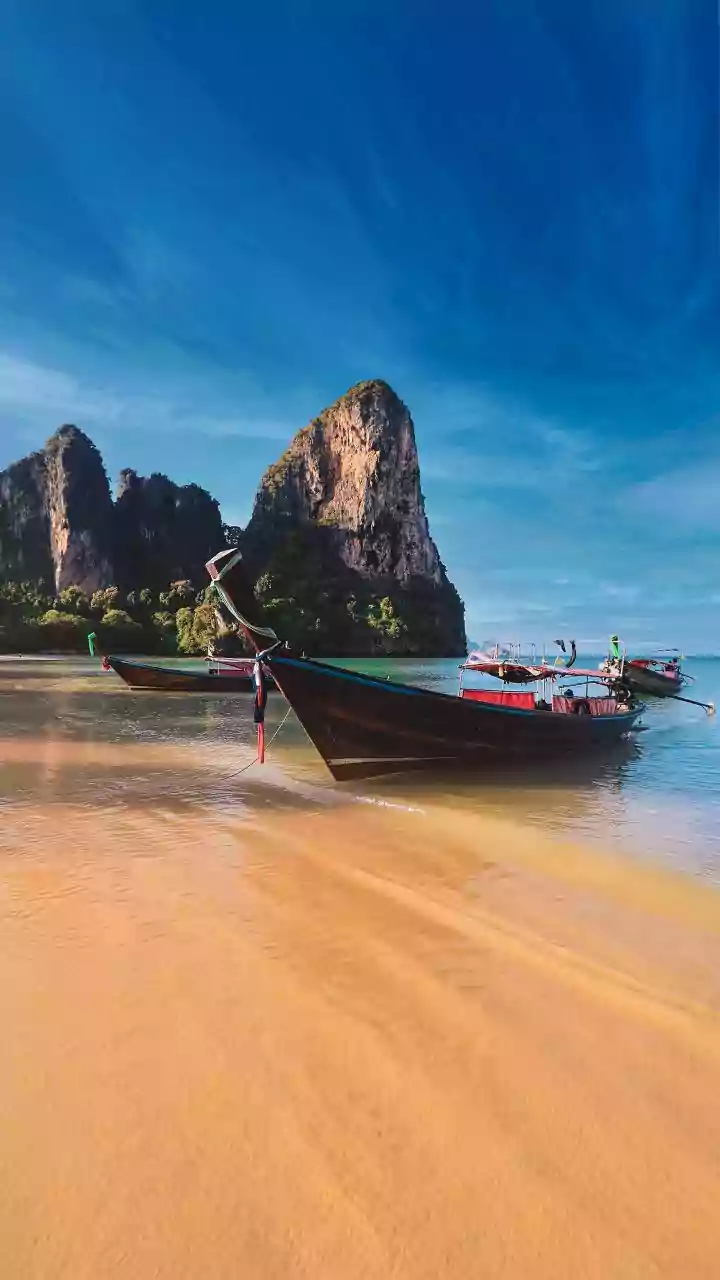
For travelers in northern Vietnam, Cat Ba Island is the essential stop. It serves as a less crowded and more adventurous alternative to the famous, and often overwhelmed, Ha Long Bay. Cat Ba is the largest island in the region and is part of the stunning Lan Ha Bay, which features the same dramatic limestone karsts and emerald waters but with a fraction of the tourist boats. From the town of Cat Ba, you can easily book day trips for kayaking through sea caves, rock climbing on sheer cliffs, or lounging on isolated beaches. The island is accessible via a short bus-and-ferry combination from Hanoi or Haiphong. It's a fantastic, budget-friendly base for exploring one of the world's most iconic seascapes at your own pace.