




The Modern-Day Resurgence
Long considered a household staple in South India, filter coffee is now moving from the kitchen counter to become a cultural object. This traditional brew is appearing on the menus of boutique cafes and in the social media feeds of young urbanites. This shift
is part of a broader coffee revolution in India, where younger generations like Millennials and Gen Z are moving beyond instant coffee and exploring more artisanal options. They are increasingly curious about the origin of their beans, the roasting process, and different brewing methods. In this landscape, the humble filter coffee, with its rich history and unique preparation, has become cool again, worthy of a place in airports and upscale cafes. Brands are also taking notice, rebranding and modernising their packaging to appeal to this new, younger demographic without alienating loyal, older customers.
A Brew Steeped in Nostalgia and Authenticity
A significant part of filter coffee's new appeal lies in its deep-rooted cultural significance and the nostalgia it evokes. For many, the aroma of freshly brewed 'kaapi' is intertwined with memories of grandparents and ancestral homes, a comforting, predictable ritual in a fast-paced world. This connection to heritage is a powerful draw for a generation actively seeking authenticity. In an era dominated by global coffee chains, embracing filter coffee can be a quiet act of cultural reclamation. It represents a return to something uniquely Indian, a taste that feels personal and rooted in tradition. This search for an authentic Indian taste has become sharper, leading a generation that grew up with Western-style cafes to ask what is truly theirs—and finding the answer in their own kitchens.
The Ritual as an Experience
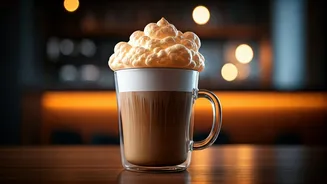
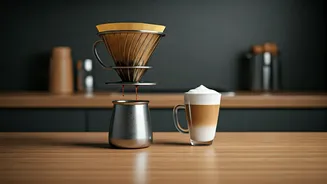
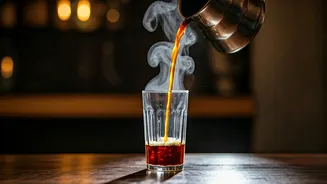
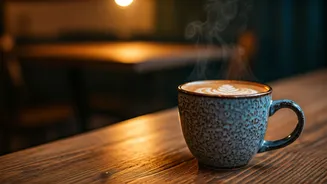
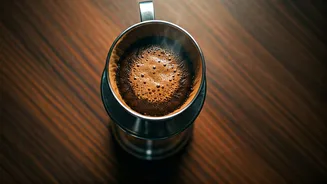
Beyond taste and nostalgia, the very process of making and drinking filter coffee has become a draw. The traditional method involves a metal filter that allows a dark, potent decoction to drip slowly. This decoction is then mixed with hot milk and often served in a 'dabara' and tumbler, where it's poured back and forth to create a signature froth. This deliberate, slow process stands in stark contrast to the convenience of instant coffee. For a generation increasingly drawn to 'slow living' and mindfulness, this ritual offers a welcome pause. It transforms a simple caffeine fix into a sensory experience—the aroma filling the house, the warmth of the steel tumbler, and the comforting taste. For some, it has even become an 'emotional support' beverage, a predictable and calming habit that provides structure and comfort in a high-stress environment.
The New Face of Filter Coffee
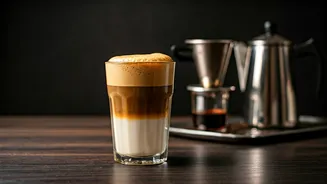
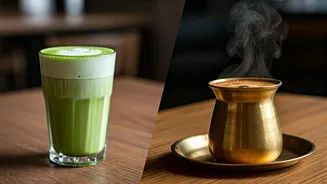
While tradition is key, innovation is also fueling the trend. New-age coffee brands and cafes are reinterpreting filter coffee for a modern palate. They are experimenting with different bean blends, offering pure arabica versions alongside the classic chicory blends, and even creating modernised forms like iced filter coffee and filter coffee brew bags for convenience. This willingness to innovate keeps the beverage relevant and exciting. Furthermore, the aesthetics of filter coffee—from the gleam of a brass or steel dabara-tumbler to the rich colour of the brew—are highly photogenic, making it perfect for social media platforms like Instagram. This visual appeal, combined with a growing appreciation for craftsmanship, has helped transform filter coffee from a mere drink into a lifestyle statement for a new generation.