





The Great Monsoon Swap
For decades, the Indian monsoon travel map was predictable. Travellers flocked to the Western Ghats to witness waterfalls in their full fury or to the romantic, rain-washed palaces of Rajasthan. But a significant shift is underway. While these destinations
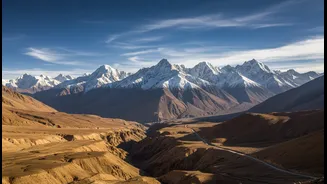
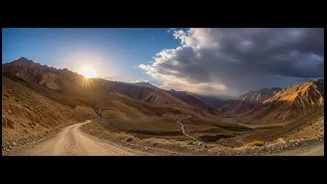
remain popular, a new contender is stealing the spotlight: the cold, arid desert of the Himalayas. Places like Spiti Valley in Himachal Pradesh and parts of Ladakh are becoming go-to destinations from July to September, precisely when the rest of the country is navigating heavy downpours.
The Rain-Shadow Advantage
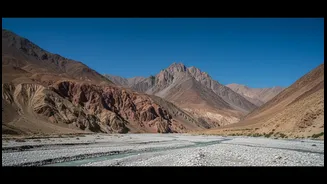
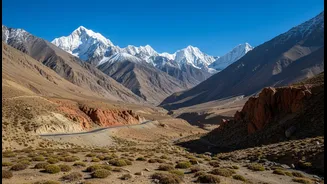
The primary reason for this trend is simple geography. Spiti lies in a rain-shadow region, meaning the towering Himalayan ranges block the moisture-laden monsoon clouds from reaching it. While popular hill stations like Shimla, Manali, and those in Uttarakhand grapple with the risk of landslides, flash floods, and road closures during heavy rains, Spiti offers dry, sunny days and clear blue skies. This makes it a uniquely reliable and safe option for those who want a mountain getaway during the monsoon months without the weather-related uncertainty. Travellers can engage in outdoor activities like trekking and sightseeing without the constant threat of being rained out.
Accessibility and the Atal Tunnel Effect
The game-changer for this region has been the Atal Tunnel. Inaugurated in October 2020, this engineering marvel provides year-round connectivity to the Lahaul Valley, drastically cutting down travel time and bypassing the treacherous Rohtang Pass. What used to be a gruelling six-hour journey from Manali is now a short, scenic drive of under two hours. This newfound accessibility has unlocked the region's tourism potential, transforming Lahaul-Spiti from a remote outpost for hardcore adventurers into a viable destination for a much broader range of travellers. The tunnel itself has become a tourist attraction, funnelling an unprecedented number of visitors into the valley.
A Different Kind of Beauty
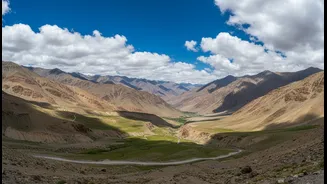
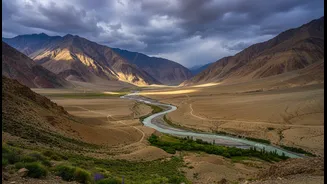
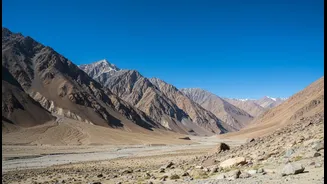
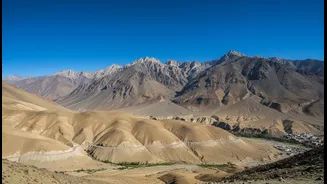
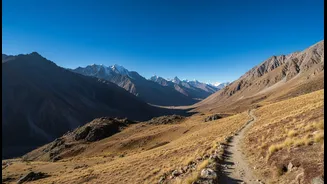
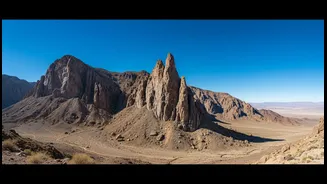
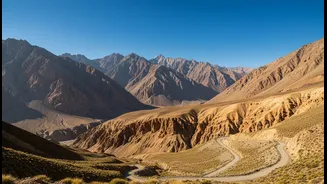
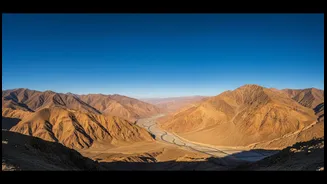
Travellers are also being drawn to the unique aesthetic of the high-altitude desert. Instead of the typical monsoon green, Spiti offers a starkly beautiful landscape of barren mountains, dramatic canyons, and turquoise rivers. The light monsoon showers that do occur are just enough to bring a surprising hint of green to the valleys and make wildflowers bloom, creating a stunning contrast against the brown and grey terrain. The clear, pollution-free skies provide brilliant opportunities for stargazing, and the ancient Buddhist monasteries, like the iconic Key Monastery, exude an atmosphere of peace and spirituality that is more accessible with fewer crowds.
The Call of Adventure and Culture
Spiti during the monsoon is not just about avoiding the rain; it's about embracing a different kind of adventure. The stable weather is ideal for trekking, mountain biking, and camping near pristine high-altitude lakes like Chandratal. It's also a time for cultural immersion. With fewer tourists than in the peak summer season, visitors have a better chance to interact with locals and experience the serene life inside ancient monasteries. Festivals like the La Darcha Fair, which sometimes takes place in July, offer a vibrant glimpse into the region's unique cultural tapestry.
Is This Trip for You?
While the allure is strong, a trip to Spiti requires planning. The region's high altitude (often above 10,000 feet) means that acclimatisation is crucial to avoid altitude sickness. The roads, while more accessible, can still be challenging. Amenities are often basic compared to more established tourist destinations. However, for the prepared traveller, Spiti offers an unparalleled opportunity to experience the Himalayas in a way that is both adventurous and surprisingly comfortable during the monsoon, providing a winning alternative to the rain-soaked norm.