





The Monsoon's Two Faces
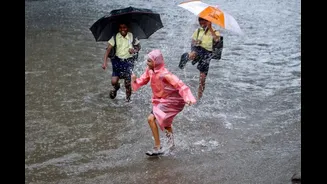
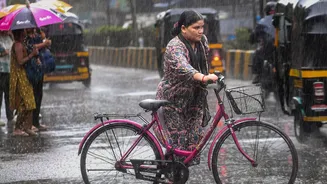
It’s a familiar sight. A few hours of intense, relentless rain and parts of Mumbai grind to a halt. Waterlogging in areas like Andheri, Sion, and Dadar leads to traffic snarls and train delays. Social media fills with images of submerged cars and people
wading through knee-deep water. Seeing this, it’s natural to assume the monsoon is performing well, perhaps even excessively. Yet, at the same time, headlines from the India Meteorological Department (IMD) and the Brihanmumbai Municipal Corporation (BMC) might be warning of a rainfall deficit. This isn't a contradiction; it’s a story of two different types of rainfall. The rain that floods the city and the rain that secures the city's water supply for the next year are often not the same.
Defining the 'Deficit'
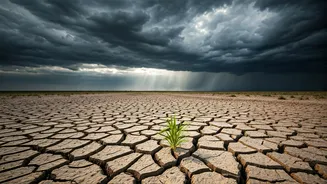
When meteorologists talk about a 'rainfall deficit', they aren't referring to a single day's downpour. They are measuring the cumulative rainfall over the entire monsoon season (typically June to September) against a long-period average (LPA). The LPA is the average rainfall recorded over a 50-year period, which serves as the benchmark for a 'normal' monsoon. A deficit means the total rainfall received so far is below this historical average for that specific period. For example, Mumbai's Santacruz observatory, a key reference point, has a seasonal average of around 2,500 mm. If by mid-July the city has received significantly less than the average for that date, it's in a deficit. A few days of extremely heavy rain might cause flash floods but may not be enough to erase a weeks-long dry spell or a slow start to the season. The problem is about consistency, not just intensity.
Location, Location, Location
Here's the most crucial piece of the puzzle: the rain that falls over Mumbai's concrete jungle does very little for its water supply. Most of it flows into storm-water drains and out to sea. The rain that truly matters for Mumbaikars' taps falls miles away in the catchment areas of the seven lakes that supply the city with water. These lakes — Upper Vaitarna, Middle Vaitarna, Modak Sagar, Tansa, Bhatsa, Vihar, and Tulsi — are located in neighbouring districts like Thane and Palghar. Widespread, steady rain in these forested, hilly regions is what replenishes the reservoirs. A powerful but localised weather system might dump 200 mm of rain on the island city in 24 hours, causing chaos, while the catchment areas receive only a light drizzle. This is why you can have urban flooding and a water supply crisis simultaneously.
The Ultimate Metric: Lake Levels
For the BMC, the most important metric isn't the daily rainfall in Colaba or Santacruz; it's the collective water stock in these seven lakes. The corporation tracks the total usable water content daily, measured in million litres (ML). The goal is for the lakes to reach full capacity by the end of the monsoon, around October 1st. This ensures an uninterrupted water supply for nearly 400 days, lasting through the dry winter and scorching summer until the next monsoon arrives. If lake levels remain low deep into July or August, the BMC may be forced to implement water cuts across the city to conserve the remaining stock. This is the tangible consequence of a 'deficit' in the catchment areas, and it’s what officials watch with anxiety, regardless of how much it rains within the city limits.
So, How Does This Year Compare?
To understand the current situation, we must look at the data. Typically, the monsoon arrives in Mumbai around the second week of June. A delayed onset or a prolonged 'break-monsoon' period can quickly create a significant deficit. For instance, if the city and its catchment areas receive only half the expected rainfall in June, the lakes will be far below their desired levels. It would then take a period of exceptionally heavy and sustained rainfall in July and August just to catch up to 'normal'. The IMD provides regular updates on the deficit for sub-divisions like 'Konkan and Goa', which includes Mumbai, while the BMC releases daily reports on the water stock in the lakes. By comparing the current lake levels to the levels on the same date last year and the full capacity, we get the clearest picture of how this year's monsoon is truly performing for Mumbai.