




The Telltale Signs of a Drainage Crisis
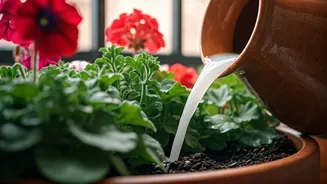
Plants often send clear signals when their roots are unhappy. The confusing part is that the signs of overwatering (caused by poor drainage) look a lot like underwatering. Your plant might wilt and droop, even if the soil feels damp to the touch. This
happens because waterlogged roots can no longer absorb nutrients or water effectively. Look for yellowing leaves (chlorosis), especially on the lower parts of the plant. Other red flags include a musty or sour smell coming from the soil, visible mould on the surface, and stunted growth. If you're brave enough to gently peek at the roots, you might find them brown, mushy, and smelly—a classic case of root rot.
Why Roots Need to Breathe
It’s a common misconception that plant roots only need water. In reality, they also need oxygen. The spaces between soil particles are meant to hold both water and air. When a pot has poor drainage, water fills all these air pockets, effectively suffocating the roots. Without oxygen, the root cells begin to die, making them vulnerable to fungi and bacteria that cause root rot. A well-draining soil mix provides the perfect balance: it holds enough moisture to hydrate the plant while allowing excess water to escape, ensuring the roots can breathe. Think of it as providing a healthy, airy home rather than a swampy bog.
The Usual Suspects: Common Drainage Fails
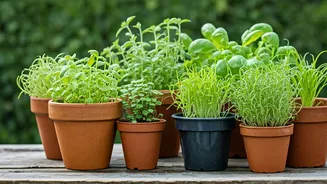
Several factors can lead to a drainage disaster. The most obvious is a pot with no drainage holes. Never use a decorative pot without holes unless you’re placing a smaller, functional pot inside it (a method called 'cachepot'). Another culprit is compacted soil. Over time, soil can become dense, reducing air pockets. This is especially true for garden soil used in pots, which is too heavy. A surprisingly common mistake is adding a layer of gravel or pebbles to the bottom of the pot. The long-held belief was that this improves drainage. However, physics tells us it does the opposite. It creates a 'perched water table,' forcing water to saturate the soil above the gravel layer before it drains, keeping the roots wetter for longer.
Your Rescue Mission for Waterlogged Plants
If you suspect poor drainage, it's time for a rescue mission. First, stop watering! Let the soil dry out as much as possible. Tip the pot on its side and check if the drainage holes are blocked; clear them if needed. For a severe case, you'll need to repot. Gently remove the plant and inspect the roots. Trim away any black, mushy, or smelly roots with clean scissors. Prepare a fresh, well-draining potting mix. A good DIY mix is one part coco peat, one part compost, and one part perlite or coarse sand. These additives create the air pockets that roots love. Repot the plant into a clean pot (with drainage holes!) that’s only slightly larger than its root ball.
Monsoon-Proofing Your Green Corner
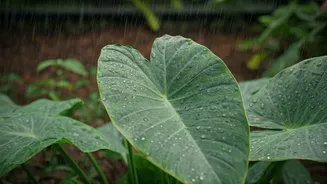
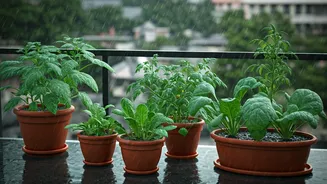
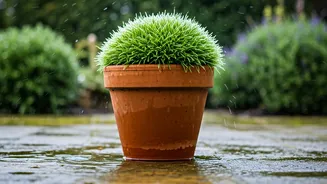
In India, the monsoon season can be particularly brutal for container gardens. Constant rain can quickly overwhelm even pots with good drainage. To protect your plants, elevate them. Placing pots on stands or 'pot feet' allows water to flow out freely and prevents them from sitting in puddles. If possible, move sensitive plants to a covered balcony or patio where they can get light without being drenched. You can also tilt larger pots slightly during heavy downpours to help excess water run off the surface. For plants in the ground, ensure the garden beds aren't in a low-lying area where water collects. Amending the soil with compost and sand before the rains can significantly improve its ability to handle the deluge.