


First, What Is a ‘Day’?
Before we can understand Mercury’s strange schedule, we need to clarify what we mean by a “day.” It turns out there are two main types. On Earth, we barely notice the difference, but on Mercury, it’s everything. The first is the ‘sidereal day’—the time
it takes for a planet to complete one full 360-degree rotation on its axis. The second is the ‘solar day’—the time it takes for the Sun to appear in the same position in the sky, for example, from one sunrise to the next. For us, a sidereal day is 23 hours and 56 minutes, and a solar day is 24 hours. That small four-minute difference is because Earth moves along its orbit around the Sun, so it needs to rotate a little extra to “catch up” to the Sun's position. This distinction is the key to unlocking Mercury’s secrets.
Mercury's Incredibly Slow Spin
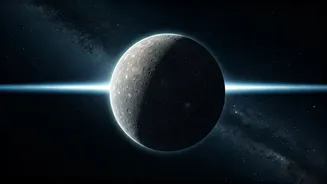
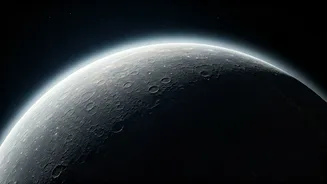
The headline is true in one specific sense: Mercury’s sidereal day, or one full rotation, takes approximately 59 Earth days. This is an incredibly slow spin. For comparison, Earth spins once in less than 24 hours, and Jupiter, the fastest-spinning planet, does it in under 10 hours. Mercury's sluggishness is due to a phenomenon called tidal locking. The Sun’s immense gravity has tugged on Mercury for billions of years, slowing its rotation down until it settled into a stable, slow rhythm. It’s not fully locked like our Moon, which always shows us the same face. Instead, Mercury is in a unique 3:2 spin-orbit resonance. This means that for every three times it rotates on its axis, it orbits the Sun twice. This precise, strange dance is what sets the stage for its temporal weirdness.
A Year Is Shorter Than a Day
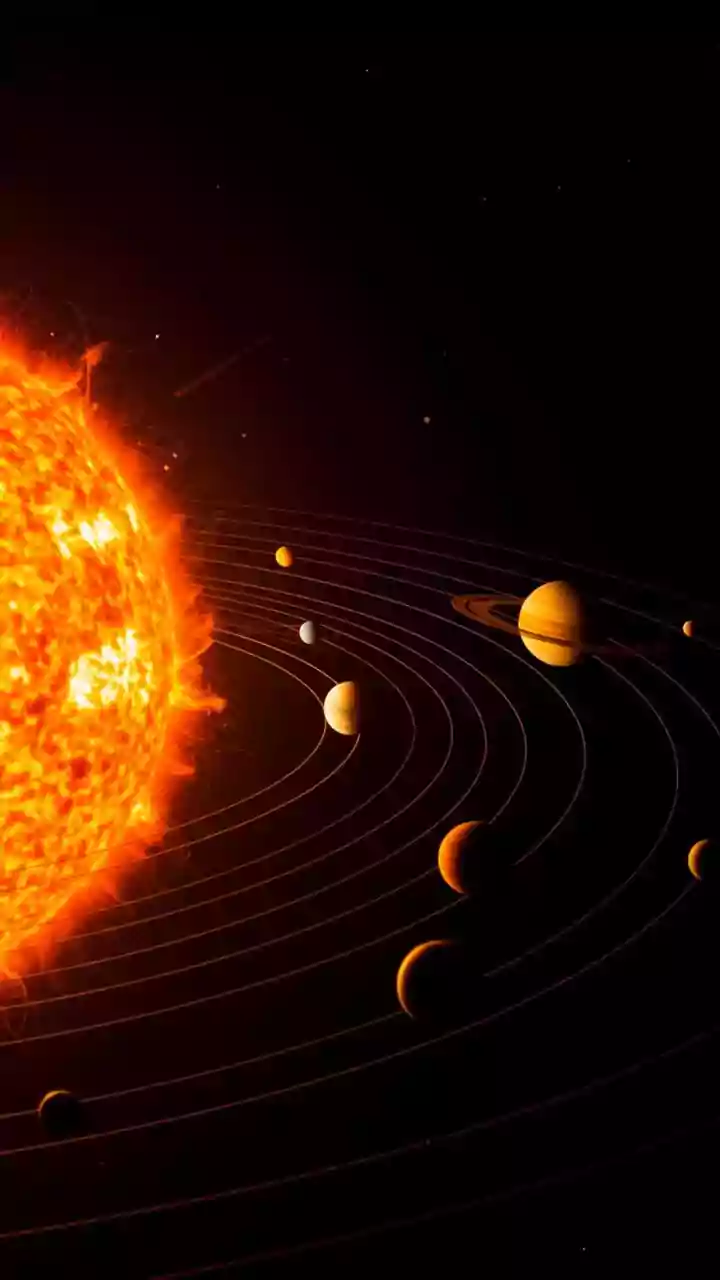
Here's where things get truly mind-bending. Because Mercury is the closest planet to the Sun, it zips around in its orbit very quickly. One year on Mercury—the time it takes to complete one full orbit—is just 88 Earth days. Now, let’s put the pieces together. It has a slow spin (59 Earth days) but a very fast orbit (88 Earth days). The combination of these two factors creates an absolutely colossal solar day. The time from one sunrise to the next on Mercury is about 176 Earth days. That’s right: a single day on Mercury is twice as long as its entire year! You could be born, celebrate your first birthday, and still have to wait another 88 Earth days for the sun to finally set. It’s a place where the concepts of day and year are completely scrambled compared to our Earthly experience.
What Would This Feel Like?
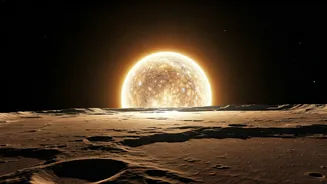
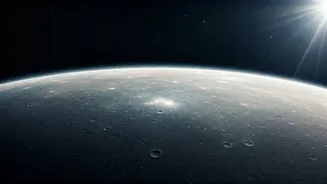
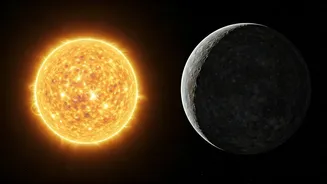
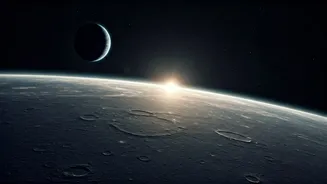
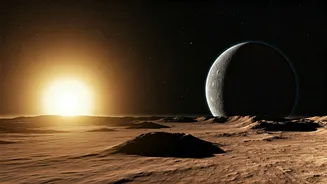
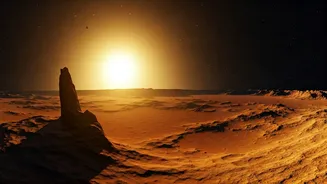
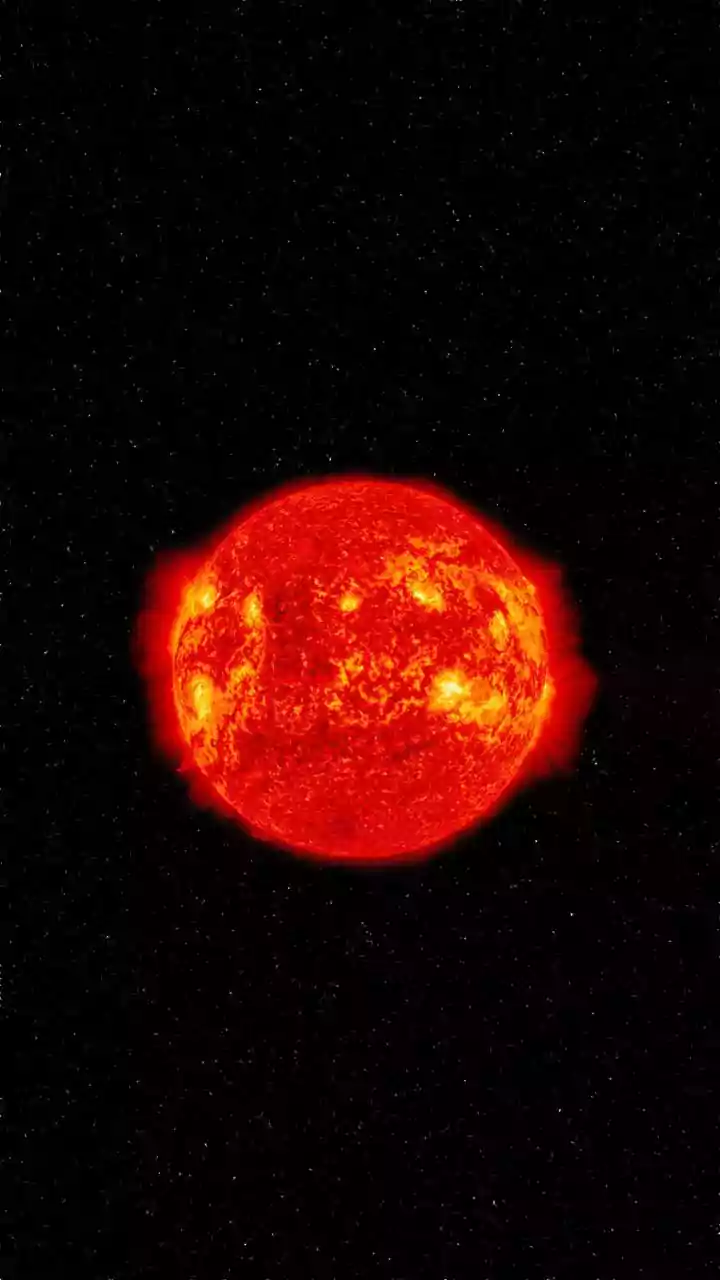
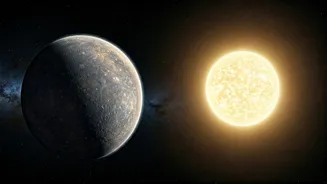
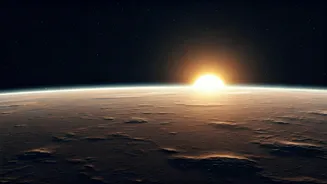
Standing on the surface of Mercury would be an exercise in surviving extremes, driven by this bizarre day-night cycle. During the long, 88-Earth-day-long period of sunlight, the surface temperature soars to a scorching 430° Celsius—hot enough to melt lead. There is virtually no atmosphere to trap heat or distribute it. Then, as your location finally rotates into darkness, the heat radiates away into space almost instantly. During the equally long night, temperatures plunge to a bone-chilling -180° Celsius. This swing of over 600°C between day and night is one of the most extreme in the solar system. Watching the sky would be just as strange. The Sun would appear more than three times larger than it does from Earth and would crawl across the sky with agonising slowness. At certain points in Mercury’s orbit, the Sun would even appear to stop, move backward for a bit, and then resume its forward motion—a phenomenon known as retrograde motion, caused by the interplay of the planet's rotation and its highly elliptical orbit.