



Embrace the 'Building Block' Method
The secret to successful student meal prep isn't cooking seven identical meals. That leads to boredom and food waste. Instead, focus on preparing versatile 'building blocks'—components you can mix and match all week. Think of it as creating your own personal
salad bar or grain bowl station in your fridge. This approach saves time, reduces food fatigue, and allows for creativity. A well-stocked fridge with these core components means a satisfying meal is only ever a few minutes away, whether it's a wrap, a bowl, or a loaded salad.
The Strategic Sunday Shop
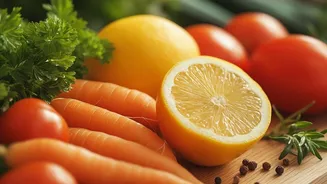
A smart prep week starts with a smart shopping list. To keep your budget in check, build your list around the core building blocks: complex carbs, durable proteins, a variety of vegetables, and a flavourful sauce. For carbs, think whole grains like brown rice, quinoa, or farro. For protein, grab canned chickpeas and black beans, a block of firm tofu, or a bag of lentils. For veggies, pick a mix of hardy options like carrots, bell peppers, broccoli, and sweet potatoes, along with some leafy greens like spinach. This foundation ensures every meal you build is balanced and filling.
Batch Cook Your Grains and Legumes
This is your first, and easiest, prep step. Cook a large batch of your chosen grain—whether it's brown rice, quinoa, or pasta—according to package directions. Once cooked and cooled, store it in a large airtight container in the fridge. It will serve as the hearty base for numerous meals. If you're using dry lentils or beans, cook them now, too. Canned beans just need a good rinse before being stored. Properly stored, cooked grains and legumes will easily last for up to five days.
Roast a Rainbow of Vegetables
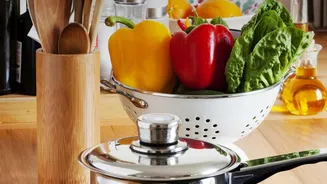
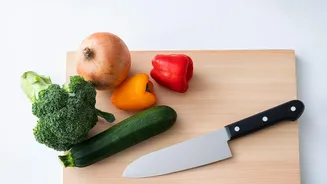
Roasted vegetables are a meal prep game-changer. They are more flavourful than steamed veggies and hold up better throughout the week. Chop up hardy vegetables like broccoli florets, sweet potato cubes, sliced bell peppers, and onions. Toss them with a little olive oil, salt, and pepper, and roast on a large baking sheet until tender and slightly caramelised. Once cool, store them in an airtight container. These can be added to grain bowls, folded into wraps, or mixed into pasta salads. To keep chopped raw veggies like carrots or celery crisp, store them in water in the fridge.
Power Up Your Proteins
Preparing your proteins ahead of time is key for building satisfying meals. If you're using tofu, press it to remove excess water, cube it, and bake or pan-fry it until golden. This gives it a firm, pleasant texture that holds up well. Hard-boil a half-dozen eggs for quick snacks or to add to salads. Canned chickpeas and black beans are your friends—just rinse and they are ready to go. These protein sources can be added cold to meals or quickly reheated.
The Secret is in the Sauce
A great sauce ties everything together and prevents your meals from tasting bland and repetitive. You don't need to be a chef to whip up a delicious, versatile dressing. A simple lemon-tahini sauce (tahini, lemon juice, garlic, water) or a peanut-lime dressing (peanut butter, soy sauce, lime juice, a little maple syrup) can be made in minutes. Store your sauce in a glass jar in the fridge. It can be used to dress salads, drizzle over grain bowls, or as a dip for raw veggies.
Assembling Your Meals in Minutes
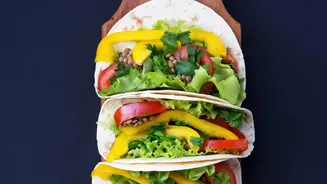
With your building blocks prepped, weekday meals become an assembly job, not a cooking chore. For lunch, create a Mediterranean bowl with quinoa, roasted veggies, chickpeas, and a drizzle of lemon-tahini sauce. For a quick dinner, warm up some black beans and roasted sweet potatoes and wrap them in a whole-wheat tortilla with a handful of spinach. You can also make a quick pasta salad by tossing your cooked pasta with roasted vegetables, white beans, and a simple vinaigrette. The combinations are nearly endless, ensuring you eat well without the daily effort.