



The Science of a Soggy Salad
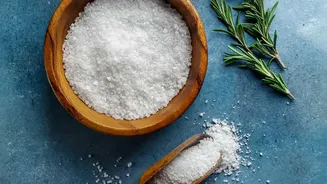
To understand why pre-dressing a salad is a recipe for disappointment, we need to look at a process called osmosis. Salad greens are full of water. Dressings, on the other hand, are typically high in salt and acids like vinegar or citrus juice. When the dressing coats
the delicate leaves, the salt begins to draw water out of the plant cells. This loss of water causes the cells to lose their rigidity and structure, resulting in the limp, soggy texture we all know and dislike. It’s not just salt; oil also plays a role. While lettuce has a natural waxy coating that repels water, oil can cling to this surface, seeping into the leaf and causing it to wilt. A dressed salad can begin to show signs of wilting in as little as an hour, and by the next day, it's often unsalvageable.
The Golden Rule: Dress for the Moment
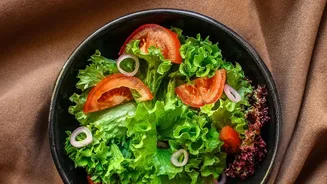
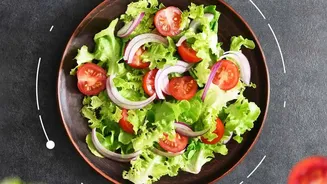
The single most effective way to ensure every bite of salad is as crisp and delicious as the first is to dress only the portion you plan to eat immediately. This small change in habit has an outsized impact on the quality of your meals. By keeping the greens and dressing separate until the last possible moment, you prevent osmosis from ever starting. This is the secret behind why restaurant salads often seem so much fresher—they are almost always tossed to order. For home cooks, this means no more forcing down sad, soggy leftovers or, even worse, throwing away perfectly good ingredients. You can confidently make a large batch of salad base to last for days, knowing that each serving will be as fresh as the first.
Smart Storage for Lasting Crispness
Adopting this rule is even more effective when you master salad storage. The key to long-lasting greens is keeping them dry. After washing, use a salad spinner or pat the leaves thoroughly dry with clean towels. For storage, a hard-sided container is superior to a plastic bag, as it protects delicate leaves from being crushed. Line the bottom of an airtight container with a paper towel, place the greens on top without packing them down, and lay another paper towel over them before sealing the lid. This setup absorbs excess moisture, which is the enemy of fresh greens. Stored this way, many greens can last for a week or even longer. Homemade or store-bought dressing should be kept in a separate, sealed container in the refrigerator.
Techniques for Perfect Individual Portions
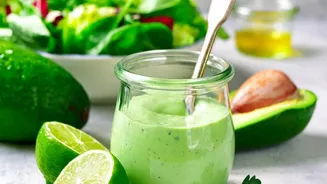
Dressing a single serving of salad doesn't have to be a messy affair. One of the easiest methods is to make the dressing directly in the bowl you'll be eating from. Add your dressing ingredients—a splash of oil, a bit of vinegar, a pinch of salt and pepper—to the bottom of the bowl and whisk them together. Then, add your greens and other salad components and toss everything from the bottom up. This technique ensures an even coating without dirtying extra dishes. Another popular method for meal preppers is to use small, clean glass jars. You can prepare several single-serving portions of your favorite dressing to have on hand for the week. A standard serving of dressing is about two tablespoons, so it’s easy to portion out. When it's time to eat, just grab a jar and your pre-prepped greens for a perfect, crisp salad in seconds.