

Beyond the Polished Surface
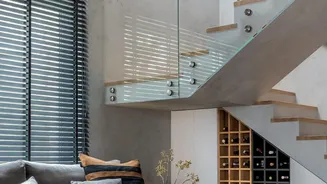
Step into a fashionable urban Indian home today, and you’ll likely notice a change in the atmosphere. The cool, impersonal gleam of high-gloss laminates and perfectly smooth walls is giving way to something warmer and more sensory. This new wave of interior
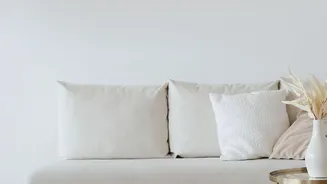
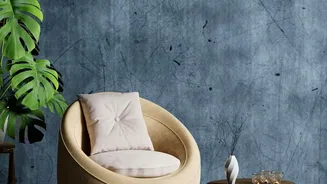
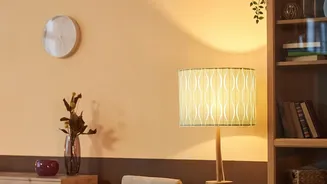
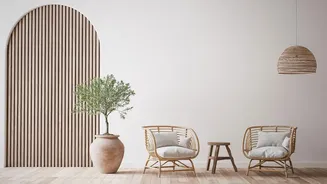
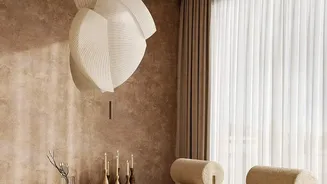
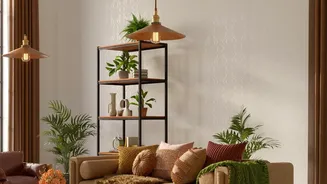
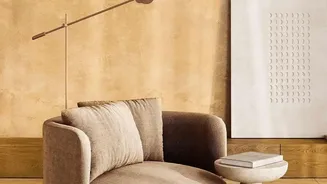
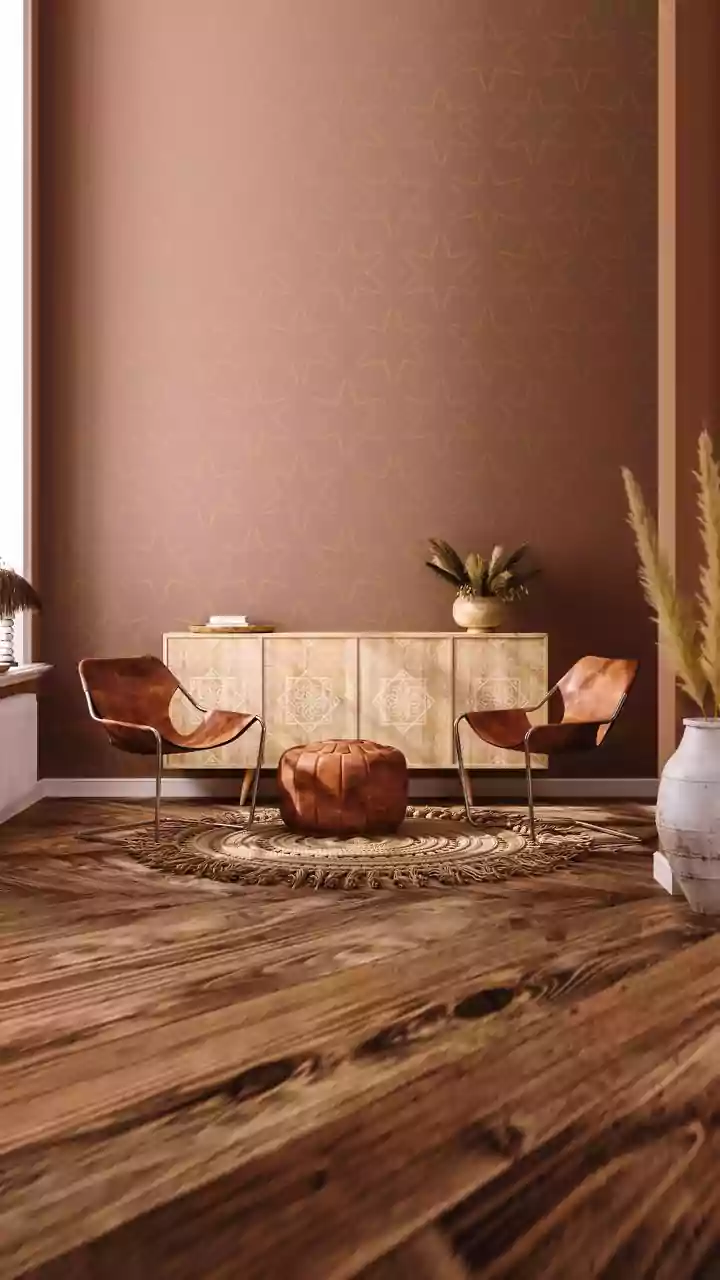
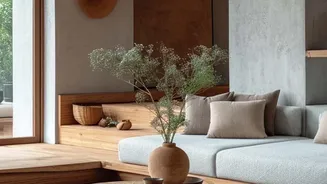
design is built on texture. We’re talking about walls with the subtle, breathable finish of lime plaster, floors laid with unpolished Kota stone that feels cool underfoot, and furniture made from rattan or reclaimed wood that shows its natural grain. The trend champions materials that are not just seen but also felt, moving away from a purely visual aesthetic to one that engages multiple senses. Colours have followed suit, with palettes shifting to muted, nature-inspired tones like terracotta, olive green, sandy beige, and warm browns that create a soothing, grounded environment.
A Modern Return to Indian Roots
This embrace of earthy textures is more than just a fleeting trend; it's a reflection of a deeper cultural and psychological shift. In a world of fast-paced urban life and digital saturation, there is a growing desire to connect with nature and authenticity. For many Indians, this translates into a renewed appreciation for traditional materials and craftsmanship that have been part of our architectural heritage for centuries. Materials like terracotta, jute, cane, and local stone have always been used in Indian homes for their climate-suitability and availability. Today, designers are reinterpreting these elements for contemporary living. A terracotta-tiled accent wall, a handwoven jute rug, or a sleek bamboo partition offers a nod to tradition without sacrificing modern functionality, creating spaces that feel both globally aware and culturally rooted.
The New Material Palette
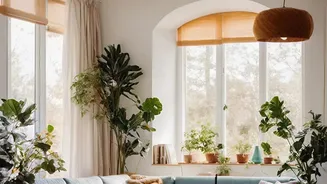
The stars of this new design movement are humble, natural materials. Terracotta is making a major comeback, used not just for pots but for flooring, accent walls, and even lighting fixtures. Natural fibres like jute, sisal, linen, and organic cotton are being used extensively for rugs, upholstery, and curtains, adding layers of texture and softness. Wood, especially reclaimed or sustainably sourced varieties like sheesham and teak, provides warmth and character. We're also seeing a rise in biophilic design, which intentionally incorporates natural elements to improve well-being. This includes not just adding more indoor plants but also using materials that mimic natural forms and patterns, blurring the line between indoors and outdoors.
Wellness and Sustainable Living
This aesthetic shift is closely tied to the growing conversations around wellness and sustainability. Many of these earthy materials are eco-friendly, renewable, and biodegradable. Choosing reclaimed wood, bamboo, or recycled textiles helps reduce the environmental footprint of a home. Furthermore, living in a space filled with natural textures has been shown to have a positive impact on mental health. The practice of biophilic design, which is central to this trend, is proven to reduce stress, improve focus, and enhance creativity by tapping into our innate human need to connect with nature. By replacing synthetic, factory-made materials with natural ones, homeowners are creating healthier indoor environments with better air quality and a more calming, restorative atmosphere.
How to Weave Earthiness into Your Home
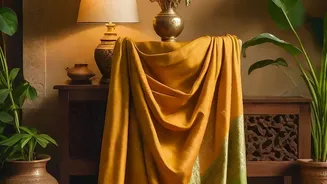
Incorporating this trend doesn't require a complete overhaul. You can start small. Introduce a few terracotta planters with lush green plants. Swap out a synthetic rug for one made of jute or handwoven cotton. Add cushion covers in natural fabrics like linen or khadi. Consider a statement piece of furniture made from cane or light-finished wood. Even small decorative items, such as handcrafted clay pottery, woven baskets for storage, or a macramé wall hanging, can add a touch of earthy texture and artisanal charm. The key is to layer different textures and choose pieces that feel authentic and personal, creating a home that is not just stylish but also soulful.