



Walk Across Living Bridges in Meghalaya
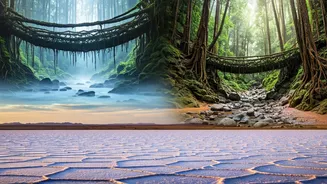
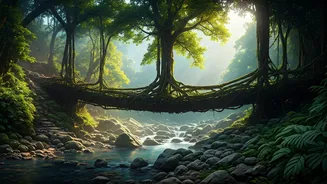
Forget steel and concrete. In the lush, rain-soaked hills of Meghalaya in Northeast India, the local Khasi and Jaintia peoples have spent centuries guiding the aerial roots of rubber fig trees across rivers, patiently training them to form sturdy, living
bridges. These incredible feats of bio-engineering can take 15 to 30 years to become fully functional and can last for hundreds of years. The most famous, the Umshiang Double-Decker Root Bridge near Cherrapunji, is a bucket-list trek for adventurous travelers. Visiting these bridges isn’t just a photo op; it’s a humbling encounter with a tradition that works in harmony with nature, a world away from the clamor of India’s megacities.
Explore the White Salt Desert of Kutch
For a few months each year, a vast, cracked expanse of saline marshland in Gujarat transforms into one of the most surreal landscapes on Earth. The Great Rann of Kutch becomes a seemingly endless white desert under the winter sun. The experience is otherworldly, especially under the glow of a full moon, which turns the salt flats into a glittering, ethereal sea. From December to February, the region hosts Rann Utsav, a vibrant festival celebrating local culture with tent cities, folk music, and traditional crafts. It’s an opportunity to experience the stark beauty of the desert alongside the rich cultural heritage of the Kutchi people, known for their exquisite textiles and embroidery.
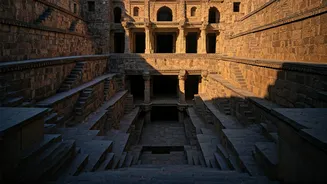
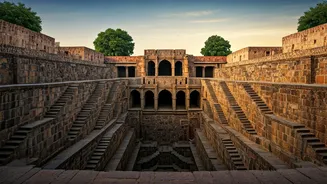
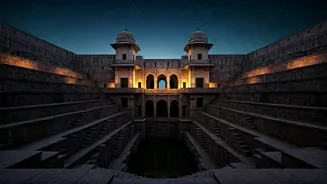
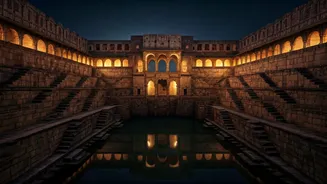
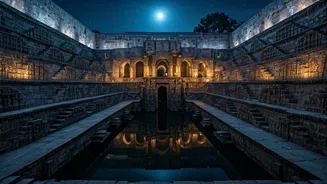
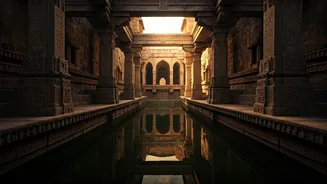
Descend into Ancient Stepwells
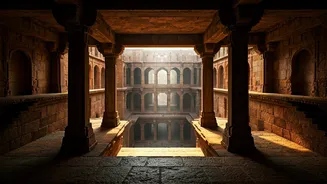
While palaces and forts dot the landscape of Rajasthan and Gujarat, a different kind of architectural marvel lies hidden beneath the ground. Stepwells, or 'baori,' are elaborate, multi-storied structures designed centuries ago to provide communities with year-round access to water. But they were more than just wells; they were subterranean community centers, temples, and cool retreats from the searing heat. The most stunning examples, like Chand Baori in Abhaneri and Rani ki Vav in Patan (a UNESCO World Heritage site), feature thousands of intricately carved steps arranged in a dizzying geometric pattern. Exploring these underground monuments feels like stumbling upon a lost, Escher-like world.
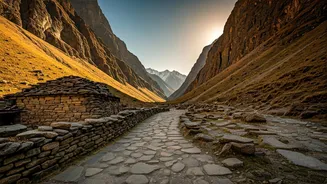
Find Serenity in the Monasteries of Ladakh
Often called “Little Tibet,” Ladakh is a high-altitude desert region in the Himalayas that offers a profound sense of peace and scale. Tucked into the stark, lunar-like landscapes are ancient Buddhist monasteries (gompas) that seem to cling precariously to cliffsides. Places like Thiksey, Hemis, and Diskit are not just historical sites but living centers of faith and culture. The sound of chanting monks, the sight of fluttering prayer flags against a backdrop of snow-capped peaks, and the crisp mountain air create a meditative atmosphere. A journey here is as much spiritual as it is physical, offering a glimpse into a resilient culture that has thrived for centuries in one of the world's most extreme environments.
Witness the Sheer Cliffs of Hampi
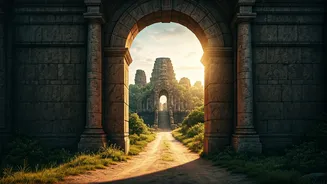
Hampi, the former capital of the Vijayanagara Empire in Karnataka, is a UNESCO World Heritage site famous for its sprawling ruins of temples, palaces, and marketplaces. But what truly sets it apart is the landscape. The entire city is set amidst a dramatic terrain of giant, rust-colored boulders that seem to be haphazardly piled up by giants. This unique geology creates a stunning contrast with the intricate 14th-century architecture. Renting a bicycle or moped to explore the boulder-strewn hills, discovering hidden shrines, and watching the sunset from Matanga Hill as it bathes the ruins and the Tungabhadra River in a golden light is an unforgettable Indian experience, blending history with jaw-dropping natural beauty.